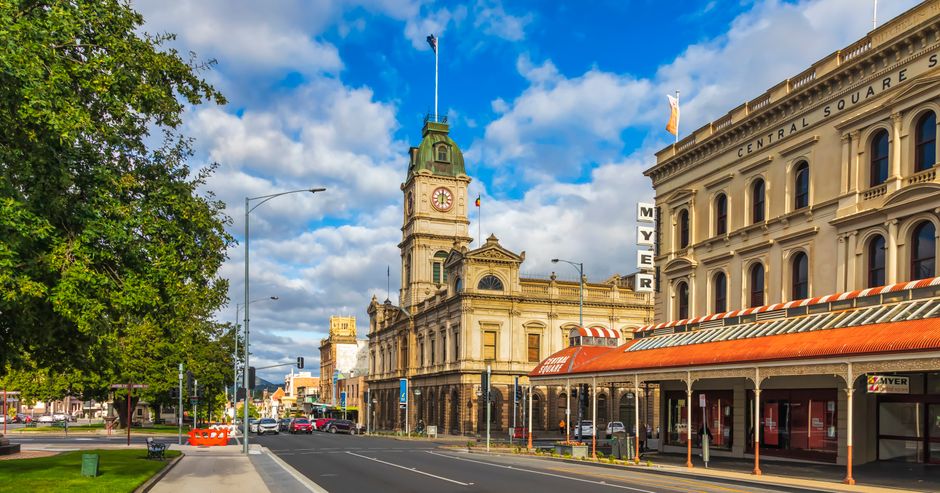
Bendigo stands at a pivotal moment in its infrastructure planning, with senior council officials and transport experts signalling significant shifts in how the city will tackle congestion, improve regional connectivity, and secure funding for ambitious projects.
The Bendigo City Council's recent transport strategy update has prompted fresh discussion about priorities along key corridors. High Street, View Street, and the approaches to the Bendigo Hospital precinct remain focal points for planners grappling with growth pressures. According to council briefings, daily traffic through the central business district has increased by approximately 12 per cent over the past three years, outpacing earlier projections.
Regional transport advocates have been vocal about the need for coordinated planning. The Loddon Campaspe Regional Partnerships group, which includes representatives from local government, business, and community sectors, has called for a more integrated approach to connecting Bendigo with surrounding towns including Castlemaine, Kyneton, and Echuca. Officials emphasise that improved transport links could unlock economic opportunities while reducing pressure on inner-city roads.
The role of public transport has emerged as a central theme in recent expert commentary. Transport Victoria representatives have indicated growing interest in how Bendigo's V/Line connections might be enhanced, though details remain fluid amid broader state infrastructure reviews. Local stakeholders have highlighted the V/Line terminus area as ripe for integrated development, potentially combining improved rail access with better bus connections and cyclist infrastructure.
Funding remains the persistent challenge. Council officials have acknowledged that traditional grant mechanisms are increasingly competitive. Several experts have pointed to public-private partnership models as potential pathways, though community groups have urged transparency around any such arrangements affecting public assets or services.
The forthcoming state budget cycle is being closely watched locally. Business Bendigo representatives have called for dedicated infrastructure investment, while environmental groups have advocated for sustainability measures to be baked into any major projects from the outset—citing opportunities to integrate active transport networks with commercial development.
Dr Claire Manifold, an urban planning researcher based at La Trobe University's Bendigo campus, recently observed that mid-sized regional cities like Bendigo face unique challenges: growing demand without the funding advantages of Melbourne's scale, yet insufficient for some state-level interventions.
Council officials have signalled they will release a detailed infrastructure priorities document in coming weeks, expected to outline timelines and preliminary cost estimates for priority projects. The statement represents a concerted effort to clarify public and investor expectations about Bendigo's transport future.
This article was compiled by AI from the sources linked above and screened before publishing. See our editorial standards.