Why Bendigo Became Australia's Migration Hotspot: The Story Behind the Boom
Understanding the economic, cultural and infrastructural shifts that transformed our city into one of the nation's most attractive destinations for newcomers.
3 min read
Understanding the economic, cultural and infrastructural shifts that transformed our city into one of the nation's most attractive destinations for newcomers.
3 min read
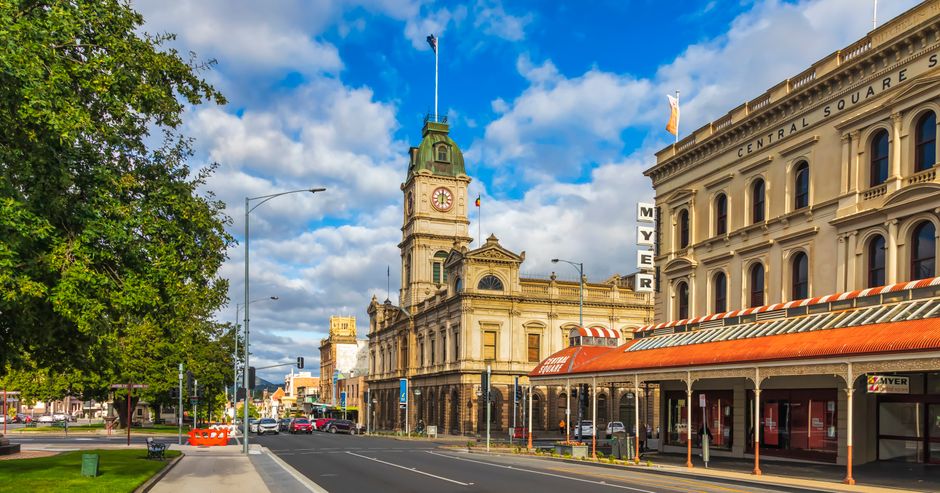
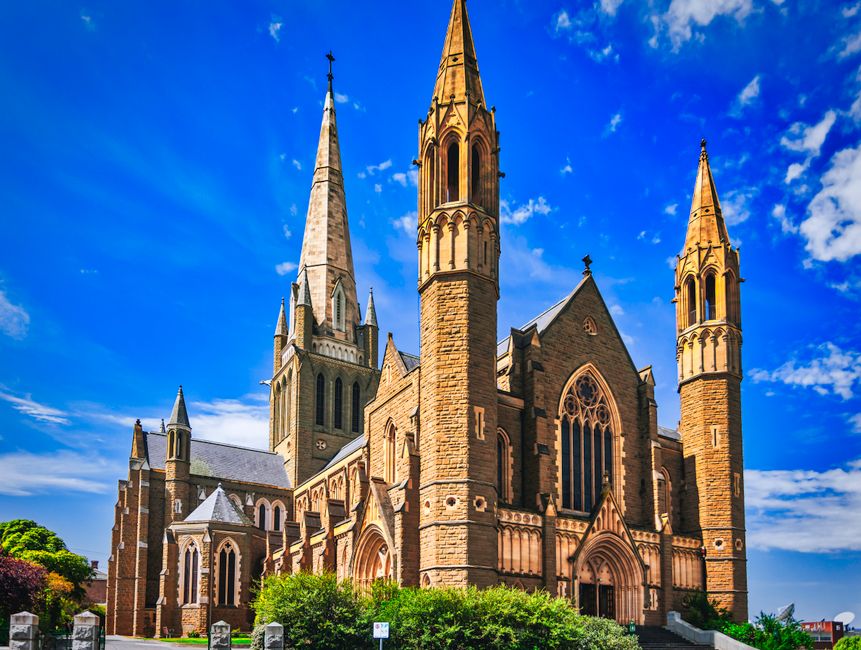
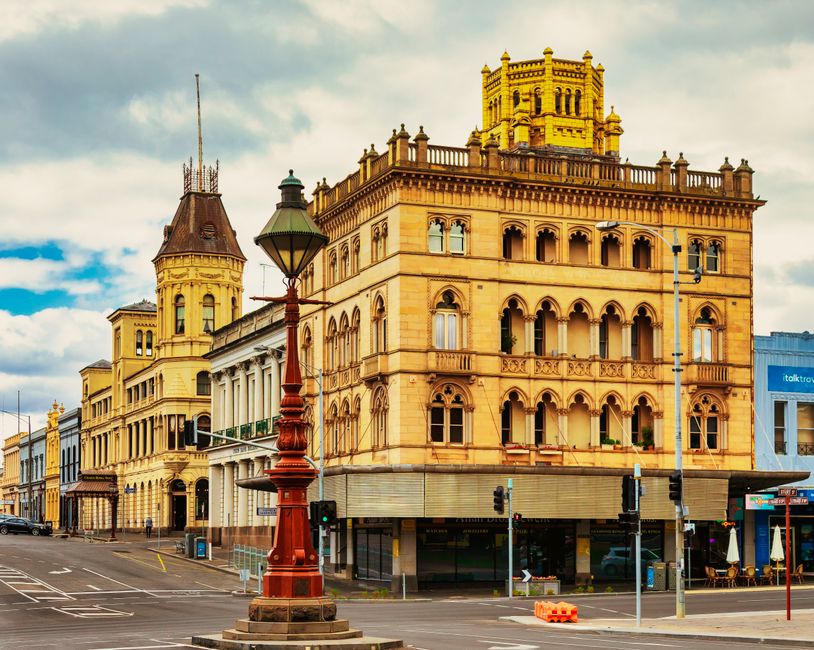
Over the past five years, Bendigo has experienced a quiet revolution. What was once dismissed as a regional centre with heritage charm has emerged as a serious competitor to Melbourne's outer suburbs, drawing professionals, families and entrepreneurs seeking affordable living without sacrificing opportunity.
The transformation didn't happen overnight. It's the result of deliberate infrastructure investment, a thriving creative economy centred around Pall Mall's galleries and cafes, and a housing market that remains genuinely accessible compared to metropolitan alternatives. A three-bedroom home in transitional suburbs like Kangaroo Flat or Epsom typically sells for $450,000–$550,000—roughly half the price of equivalent properties in Melbourne's established outer rings.
Bendigo's regional university, La Trobe University Bendigo, has played a crucial role in establishing a knowledge economy. Combined with the presence of major employers like Bendigo Health and the state government's regional office operations, the city now offers genuine career pathways beyond agriculture or manufacturing.
But perhaps the most significant driver has been the shift in work culture following 2020. Remote work legitimacy meant geography became optional for thousands. Bendigo's excellent regional rail connection to Melbourne—just over 90 minutes by V/Line—made it feasible for professionals to maintain city connections while enjoying regional affordability and lifestyle benefits. The city's parks, including the stunning Rosalind Park and the Gardens precinct, offer quality of life metrics that justify the commute.
Cultural infrastructure has grown substantially. The Bendigo Performing Arts Centre on View Street now hosts touring productions alongside local talent. Weekend markets along the Mall have become genuine drawcards. Local food culture, particularly along Pall Mall and around the Bendigo Laneway network, rivals anything in regional Australia.
Immigration has also contributed. Bendigo's refugee resettlement programs have brought cohesive migrant communities—particularly from East Africa and the Middle East—who've revitalised struggling commercial strips and added cultural diversity that younger professionals find appealing.
For newcomers, understanding this context matters. You're not moving to a dormitory suburb or a fading regional town—you're joining a city consciously reinventing itself. Schools like Bendigo Senior Secondary College and Catholic regional alternatives are genuinely competitive. The job market rewards sector-specific skills but increasingly rewards flexibility.
The foundation for Bendigo's growth was always there: heritage architecture, natural advantages, and community networks. What changed was perception. It took a pandemic and remote work revolution to reveal what locals already knew: Bendigo works. For newcomers arriving in 2026, that's not hype—it's hard-won reality.
This article was compiled by AI from the sources linked above and screened before publishing. See our editorial standards.
Spread the word
About this article
Published by The Daily Bendigo
Daily brief
Free, in your inbox before 7am. Weekdays.