Bendigo's housing crisis: how this city stacks up against global peers
As median rents climb toward $2,200 monthly, The Daily Bendigo examines how Bendigo's affordability squeeze compares to other mid-sized cities worldwide.
3 min read
As median rents climb toward $2,200 monthly, The Daily Bendigo examines how Bendigo's affordability squeeze compares to other mid-sized cities worldwide.
3 min read

Bendigo faces a familiar problem shared by mid-sized cities across the globe: housing costs are climbing faster than local wages can keep pace. With median weekly rent now sitting at around $500 for a two-bedroom apartment in established suburbs like Kangaroo Flat and Strathfieldsaye, residents are asking whether their city is becoming unaffordable—and what peer cities are doing about it.
The numbers tell a striking story. A decade ago, median rents in Bendigo hovered near $350 weekly. Today's 40 per cent increase mirrors trends in comparable cities like Adelaide, Hobart, and Launceston, but outpaces wage growth in the region by nearly double. For context, similar-sized Canadian city Guelph, Ontario—population roughly 140,000—is experiencing comparable pressure, with housing costs consuming 32 per cent of household income compared to Bendigo's estimated 28 per cent.
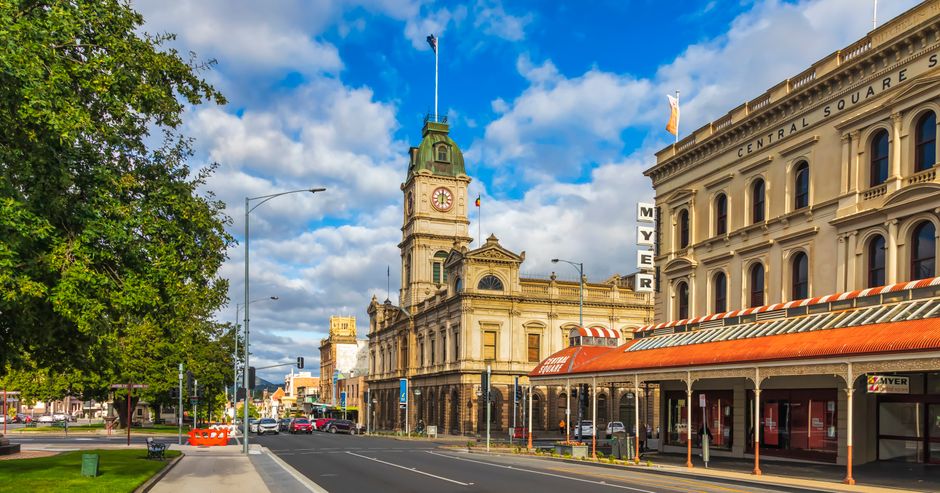
Bendigo's planning response offers lessons. The City Council has fast-tracked medium-density approvals around the CBD and along major corridors like Pall Mall and View Street, a strategy mirrored in Ballarat and endorsed by international planning bodies. Yet implementation lags. Between 2024 and 2026, only 340 new rental properties reached the market—well below the estimated 600 annually needed to stabilise prices.
Internationally, cities are experimenting with bolder solutions. Vienna's social housing programme, which guarantees affordable rents to 60 per cent of residents, has become the global benchmark. Closer to home, Brisbane's incentive scheme offering developers planning concessions for affordable units has yielded measurable results. Meanwhile, Bendigo's reliance on private market supply and occasional state grants appears less aggressive by comparison.
Local organisations like the Bendigo Community Health Services and the Loddon Campaspe Housing Ltd have advocated for expanded public and community housing stock. The gap is real: Bendigo's social housing represents just 4.2 per cent of total stock, against a national average of 4.8 per cent and Vienna's 60 per cent.
Council meetings at the Civic Centre have increasingly featured housing affordability discussions, reflecting community concern. Young professionals and families continue to move toward outer suburbs like Strathdale and Golden Square, where median rents dip to $430 weekly, though longer commutes to employment precincts around the CBD present trade-offs.
As Bendigo positioning itself as a major regional hub, the question isn't whether housing affordability matters—it clearly does. Rather, it's whether the city will embrace the more interventionist approaches proving effective globally, or continue incrementalism. Other mid-sized cities worldwide are watching. So are Bendigo residents.
This article was compiled by AI from the sources linked above and screened before publishing. See our editorial standards.
Spread the word
About this article
Published by The Daily Bendigo
Daily brief
Free, in your inbox before 7am. Weekdays.