The reverberations of global conflict are landing on Bendigo's doorstep in ways many residents may not immediately recognise. Recent escalations in Iran, Pakistan and ongoing humanitarian crises in Afghanistan and the Democratic Republic of Congo are directly affecting families already settled across the city's multicultural suburbs—and potentially shaping who arrives next.
Bendigo's migrant population has grown steadily over the past decade, with significant communities from South Asian, Middle Eastern and African nations now calling suburbs like Golden Square, Kangaroo Flat and Strathdale home. Local settlement agencies report that geopolitical instability abroad directly impacts visa processing delays, family reunification timelines, and the psychological wellbeing of residents with relatives caught in conflict zones.
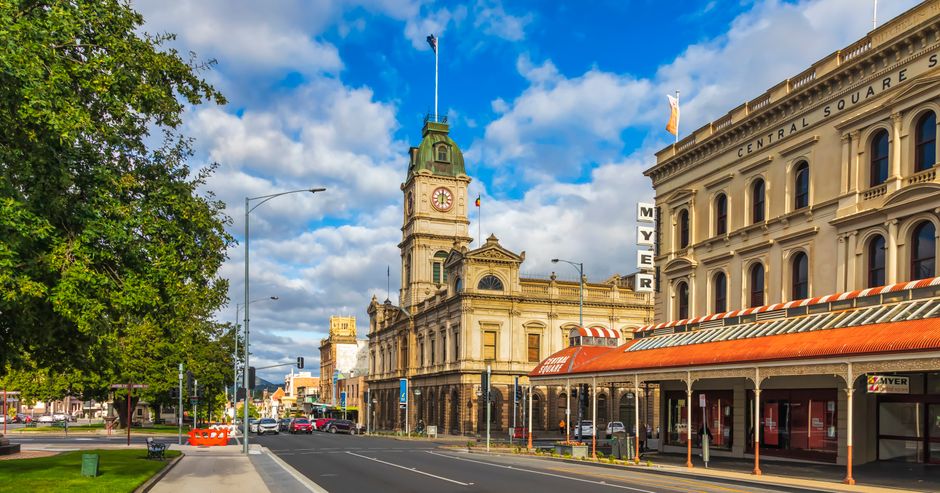
"What happens on the other side of the world matters right here on Pall Mall," explains the director of a major local settlement organisation. Current international tensions are creating a perfect storm: visa backlogs are lengthening, remittance costs are climbing, and anxiety within communities is palpable as news cycles report on regions where extended family still live.
The practical impacts are significant. Bendigo's primary schools in multicultural areas report increased demand for English-as-additional-language (EAL) support. Housing pressures continue to mount, with migration data showing Bendigo attracting working-age families seeking affordable alternatives to Melbourne's inner suburbs. Rental vacancy rates remain tight at around 1.2 per cent, pushing competition and prices upward across the city.
But there's a broader community consideration. Local businesses along Mitchell Street and throughout Bendigo's CBD increasingly rely on migrant workers and entrepreneurs. The city's healthcare system, hospitality sector and aged care facilities depend on skilled migrants to fill workforce gaps. When global instability disrupts migration pathways or creates psychological hardship, local economic resilience is affected too.
For everyday Bendigo residents, this matters because it shapes the fabric of neighbourhoods, school enrolments, local service demand, and social cohesion. Organisations like the Bendigo Multicultural Council are working to ensure newcomers feel supported, but funding pressures and rising demand mean local advocacy is crucial.
As Australia's migration intake remains contested nationally, Bendigo residents should understand that the city's multicultural character isn't incidental—it's integral to local prosperity. Supporting vulnerable newcomers and their families isn't charity; it's an investment in community stability and growth that benefits everyone.
This article was compiled by AI from the sources linked above and screened before publishing. See our editorial standards.