Behind Bendigo's Housing Crisis: What the Numbers Really Tell Us
New data reveals the stark gap between supply and demand driving affordability across our city's key precincts.
3 min read
New data reveals the stark gap between supply and demand driving affordability across our city's key precincts.
3 min read
Bendigo's housing market has reached a critical juncture, and the numbers paint a sobering picture for prospective buyers and renters alike. A comprehensive analysis of recent planning and development data shows that demand is outpacing supply at an alarming rate across the municipality.
According to the latest quarterly housing report, median property prices in established suburbs like Golden Square and Kangaroo Flat have climbed 18 per cent year-on-year, while rental vacancy rates have plummeted to just 0.8 per cent—well below the 3 per cent benchmark considered healthy for market balance. The Bendigo Planning and Development Committee recently noted that only 847 new residential approvals were granted in the past financial year, against projected demand for approximately 2,100 new dwellings annually.
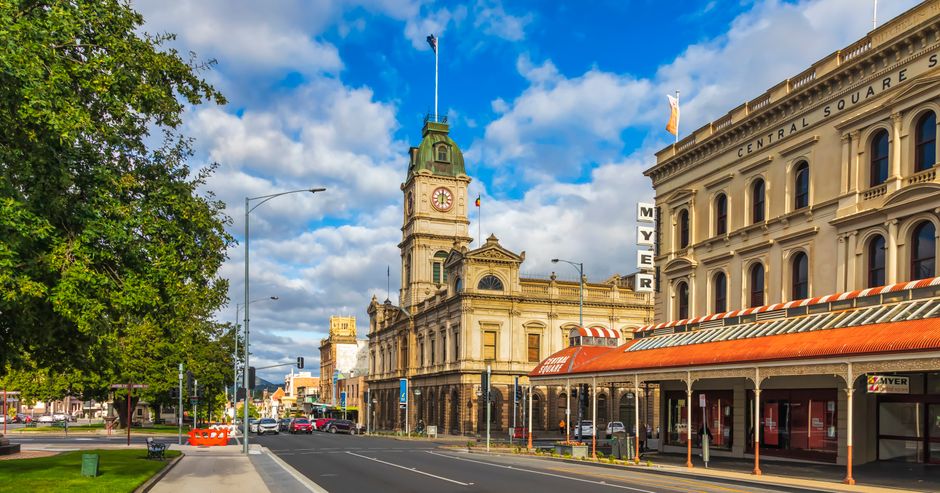
The shortage is particularly acute in inner-city precincts. Data from the Bendigo City Council's housing needs assessment reveals that properties within the View Street to Hargreaves Street corridor—prime real estate for medium-density development—are selling at an average of $685,000, a 23 per cent increase from 2024. Meanwhile, rental listings in Pall Mall and the surrounding CBD have dropped by 34 per cent since early 2025.
Outer suburbs tell a different story, but one equally troubling. Areas like Epsom and Maiden Gully, where land is cheaper, have experienced rapid expansion, yet infrastructure investment hasn't kept pace. Council figures show that only $12.4 million has been allocated for transport and utilities in growth zones, compared to the $38 million estimated as necessary to support the 1,200 new dwelling projections for these areas by 2030.
The data suggests structural problems in Bendigo's planning approach. Council records indicate that the average development approval takes 167 days—compared to a state average of 124 days—creating bottlenecks that suppress housing stock. Meanwhile, only 14 per cent of approved projects incorporate affordable housing components, despite policies calling for 25 per cent.
For Bendigo residents, these statistics translate into lived experience: first-home buyers are increasingly priced out, young professionals are relocating to Melbourne, and essential workers face impossible rental costs. The Urban Planning Institute of Victoria recently ranked Bendigo among the five Victorian cities with the most severe housing supply crises.
The conversation at council chambers and community forums increasingly circles back to a single question: can planning reforms and increased density targets reverse these trends before affordability becomes an intergenerational issue? The data suggests urgency is warranted.
This article was compiled by AI from the sources linked above and screened before publishing. See our editorial standards.
Spread the word
About this article
Published by The Daily Bendigo
Daily brief
Free, in your inbox before 7am. Weekdays.