While major metropolitan centres dominate global headlines, Bendigo's quiet revolution in neighbourhood renewal is drawing international attention from urban planners and community development agencies.
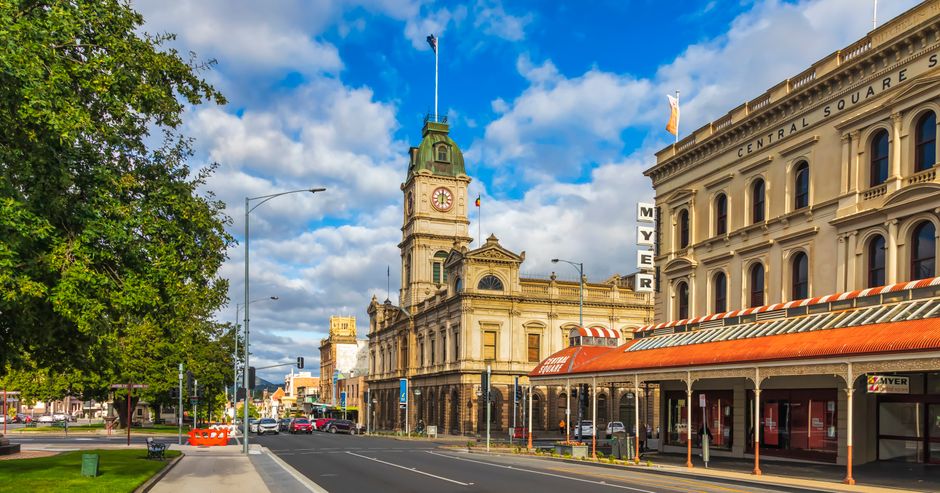
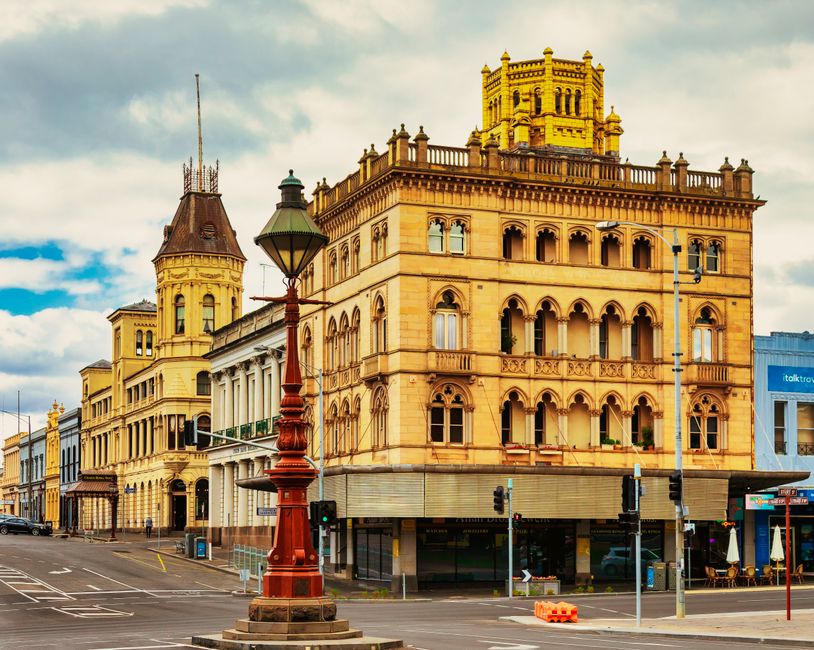
The transformation of precincts like Pall Mall—where heritage shopfronts have been restored and street activation initiatives have drawn new cafes and independent retailers—mirrors efforts seen in comparable mid-sized cities from Adelaide to Portland, Oregon. Yet Bendigo's approach differs markedly in its emphasis on preserving community identity while attracting external investment.
"What we're seeing in Bendigo is deliberate," says a spokesperson for the Bendigo Chamber of Commerce. The organisation has tracked housing growth of approximately 8-12 per cent annually in inner suburbs over the past three years, comparable to revival zones in regional Australia but notably more gradual than speculative bubbles in comparable-sized global cities.
Property prices in Golden Square and White Hills have risen, with median house values climbing from approximately $580,000 in 2022 to around $720,000 today. While significant, this trajectory trails similar gentrification patterns in cities like Hobart and Adelaide's inner suburbs, where price escalations have frequently displaced long-term residents.
Local organisations like the Bendigo Sustainability Alliance and the Bendigo Community Foundation have made explicit efforts to balance renewal with affordability. Programs supporting affordable housing options and community-led development projects distinguish Bendigo's strategy from market-driven revitalisation seen in comparable UK regional cities and North American rust-belt towns, where rapid renewal has often priced out original residents.
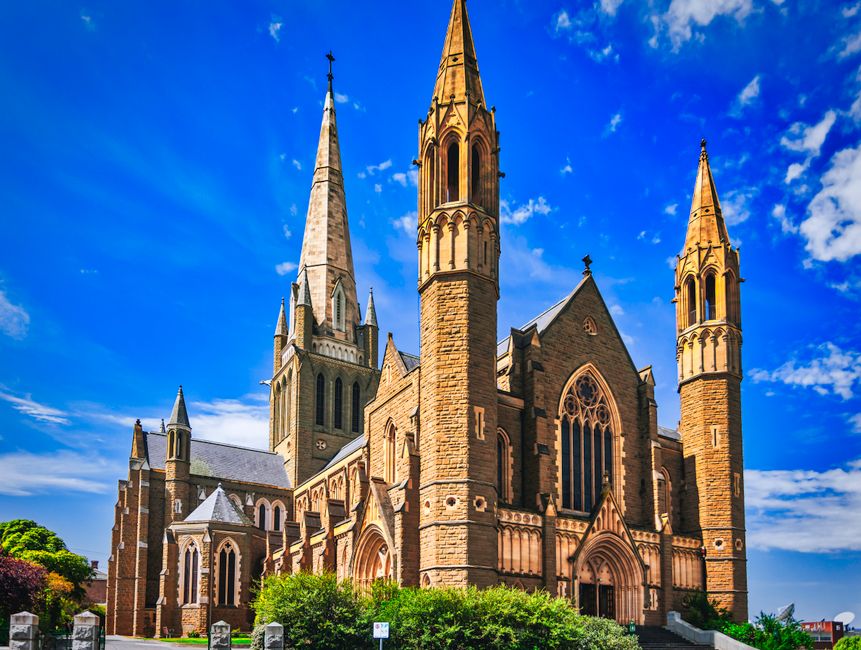
The activation of laneways near View Street, the continued success of the Bendigo Pottery precinct, and the ongoing development around the Golden Dragon Museum reflect an intentional strategy: attracting visitors and new residents while maintaining cultural landmarks that serve existing communities.
International precedent suggests challenges ahead. Cities like Ballarat and Geelong—Bendigo's closest Australian comparables—have experienced similar renewal cycles; the question is whether local institutions can maintain affordability amid rising demand.
"Bendigo has an advantage," notes a spokesperson from Bendigo's City Council. "We're moving deliberately, with strong community input." Whether this measured approach sustains neighbourhood character while supporting economic growth remains the defining challenge for Australia's oldest inland city.
This article was compiled by AI from the sources linked above and screened before publishing. See our editorial standards.