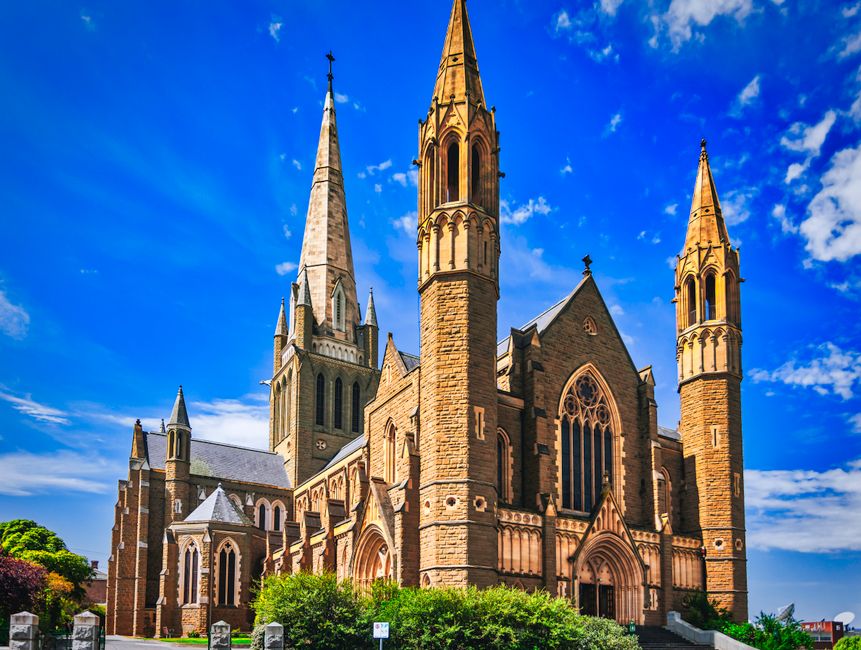
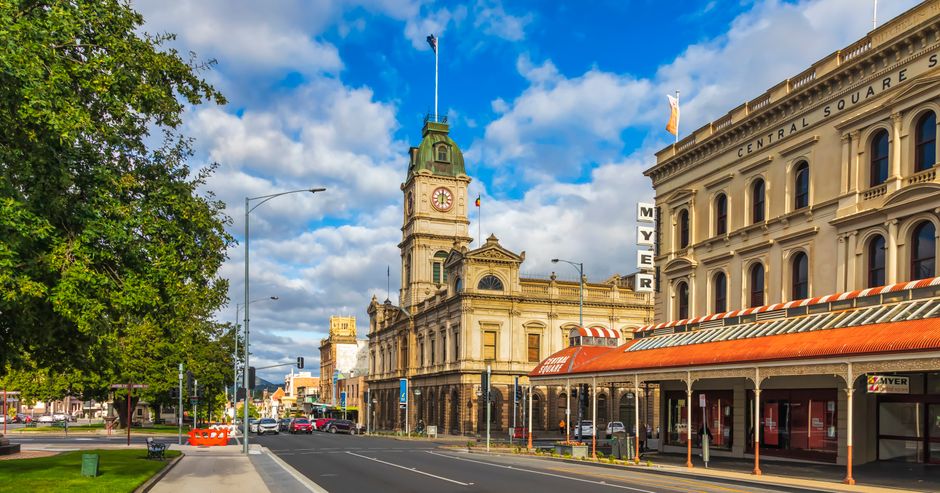
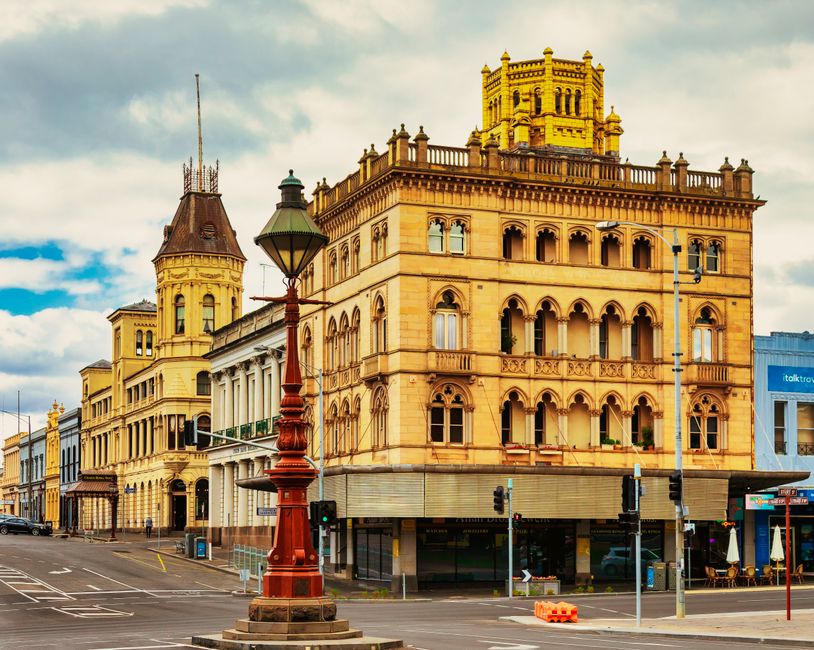
Walking down Pall Mall these days, you'll notice more than just the restored Victorian facades. Bendigo is quietly undergoing a sustainability transformation that promises tangible benefits for residents' hip pockets and quality of life.
The City of Greater Bendigo's commitment to achieving net-zero emissions by 2040 isn't abstract policy—it's already reshaping how locals heat their homes and commute to work. Solar panel installations across the region have jumped 34 per cent since 2023, with average household costs dropping to around $4,800 after rebates. For families in Kangaroo Flat and White Hills, that translates to roughly $380 annual savings on power bills once systems are operational.
The real revolution is happening in transport. The expanded cycling network connecting Lake Weeroona through to the CBD has already reduced car trips in central Bendigo by 12 per cent, according to recent council data. Parents picking up children at schools along High Street are discovering safer routes; commuters are shaving petrol costs from weekly budgets.
But perhaps most striking is the urban greening project transforming Rosalind Park and surrounds. Enhanced tree canopy coverage directly lowers summer temperatures in inner suburbs by up to 3 degrees Celsius—meaning less reliance on air conditioning during increasingly hot stretches. For pensioners and vulnerable households, this isn't luxury; it's health protection.
Local businesses are catching the wave. The Bendigo Business Excellence Centre has launched a green certification program, with over 60 enterprises now participating. Restaurants around View Street and cafes near the Market Hall are reducing waste dramatically through composting initiatives and reusable packaging partnerships. Customers report appreciating the visible environmental commitment—and genuinely cheaper lunch options when overhead costs drop.
The transition isn't cost-free, and sceptics fairly question implementation timelines. Yet the mathematics favour action. Every tonne of carbon emissions avoided saves approximately $40 in climate-related infrastructure damage according to Council estimates. Across a city of 130,000 people, that's substantial.
What makes Bendigo's approach distinctive is its hyperlocal focus. This isn't Melbourne or Sydney dictating terms. Neighbourhood committees in Strathfieldsaye and Spring Gully are genuinely driving priorities. Indigenous partnerships are embedding ecological knowledge into planning decisions.
For residents, the bottom line is straightforward: sustainability isn't about sacrifice here—it's about reclaiming money currently spent on energy bills, reducing congestion, and enjoying cleaner air. As more Bendigo households go solar, ride bikes, and support green-certified businesses, the compounding effects become impossible to ignore.
The question isn't whether environmental initiatives matter. In Bendigo, they're already mattering profoundly.
This article was compiled by AI from the sources linked above and screened before publishing. See our editorial standards.