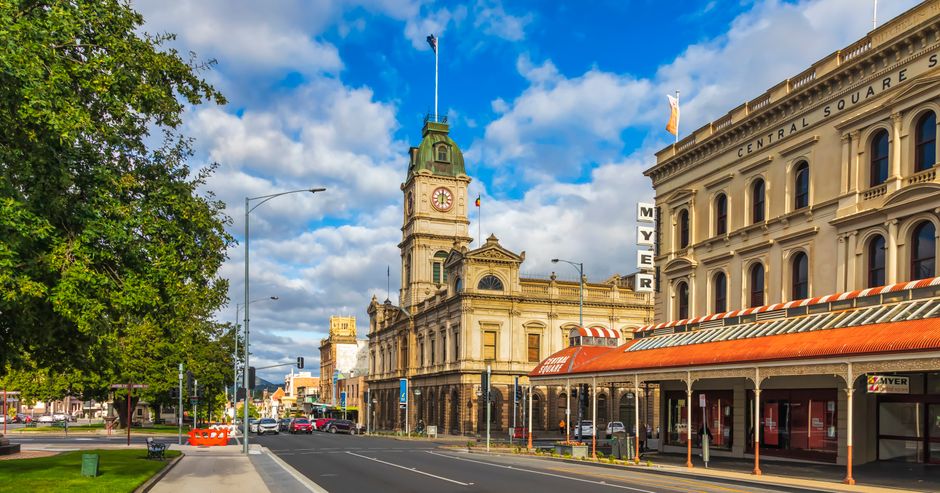
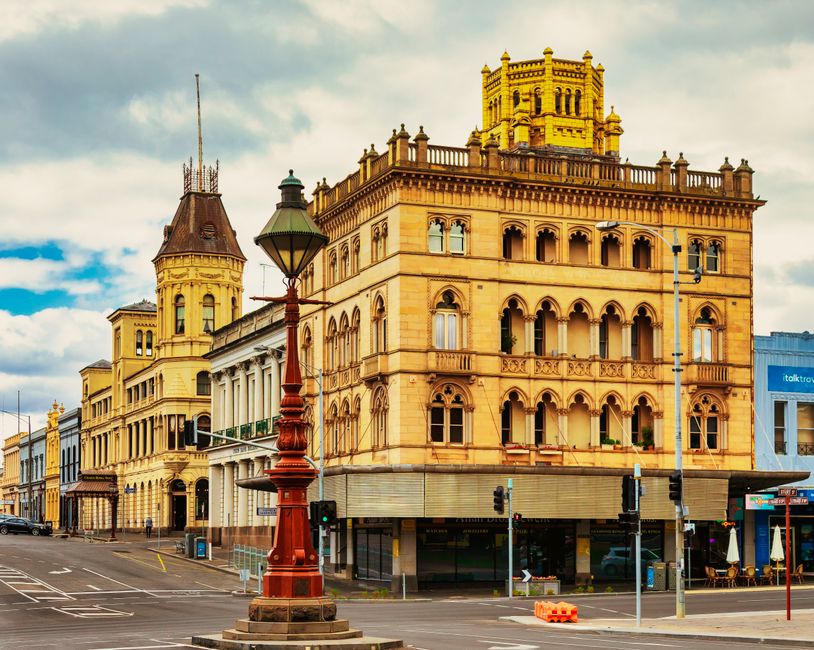
Bendigo's ambitious transport infrastructure pipeline is reshaping how the city moves, and a closer look at comparable cities globally suggests our approach to managing major works may offer lessons—both cautionary and promising—for urban planners elsewhere.
The ongoing reconstruction of Pall Mall and upgrades to the Mitchell Highway represent a $280 million commitment to regional transport connectivity. While construction disruption is inevitable, how Bendigo is sequencing these projects offers a stark contrast to similar-sized cities grappling with parallel challenges.
In Adelaide, a comparable mid-sized Australian city, the North-South Corridor project has stretched well beyond initial timelines and budgets, creating sustained frustration in business districts. Brisbane's Cross River Rail faced similar scheduling pressures. Yet Bendigo's staged approach—prioritising the Pall Mall corridor before expanding to peripheral arterial routes—mirrors strategies that have worked in cities like Toulouse, France, and Stuttgart, Germany, where phased infrastructure rollouts minimised economic disruption to retail and hospitality precincts.
Local business groups report cautious optimism. The Bendigo Chamber of Commerce notes that advance communication about road closures has allowed traders on View Street and around the Bendigo Market to adjust operations. Compare this to Toronto's King Street transit corridor project, where limited stakeholder engagement created months of friction between city planners and small business owners.
However, Bendigo faces headwinds that global peers have navigated with mixed results. Funding constraints mean some projects—particularly the proposed tram extensions to Epsom and extensions of the cycling network through Quarry Hill—remain unfunded. Portland, Oregon successfully delivered comparable light-rail extensions through public-private partnerships, while Melbourne's ongoing metro tunnel has relied heavily on state coffers.
Infrastructure costs tell their own story. Bendigo's $280 million outlay for transport works equates to approximately $850 per capita. By comparison, Brisbane's Cross River Rail cost $15.8 billion for 13 kilometres—roughly $7,600 per capita—suggesting Bendigo is achieving meaningful upgrades at a fraction of comparable international cities' per-capita spending.
Experts suggest the city's real advantage lies in scale and coordination. Unlike sprawling cities managing multiple concurrent megaprojects, Bendigo's focused approach allows for adaptive management. When unexpected issues emerge—as they inevitably do—there's bandwidth to respond without cascading delays across the entire portfolio.
As construction cranes dot the city skyline through 2027 and beyond, Bendigo's measured approach to major transport infrastructure offers a reminder that bigger budgets don't always deliver better outcomes. Strategic sequencing, community engagement, and realistic timelines may prove just as valuable as the billions spent in larger cities.
This article was compiled by AI from the sources linked above and screened before publishing. See our editorial standards.