How Bendigo's Rate Debate Reached This Turning Point: A City at the Crossroads
Years of deferred infrastructure spending and competing visions for Pall Mall have set the stage for this month's pivotal council decisions.
2 min read
Years of deferred infrastructure spending and competing visions for Pall Mall have set the stage for this month's pivotal council decisions.
2 min read
Bendigo's local government finds itself at a critical juncture as June's council meetings conclude, but understanding how we arrived here requires looking back at nearly a decade of budgetary strain, demographic change, and competing priorities that have quietly reshaped the city.
The foundation of today's challenges was laid in the mid-2010s, when Bendigo's population growth—now exceeding 160,000—began outpacing infrastructure investment. The Sandhurst Street corridor experienced significant congestion, while maintenance backlogs accumulated across the city's aging water distribution network and community facilities. By 2019, council's asset management register revealed a $240 million backlog in deferred maintenance across roads, drainage, and leisure centres.
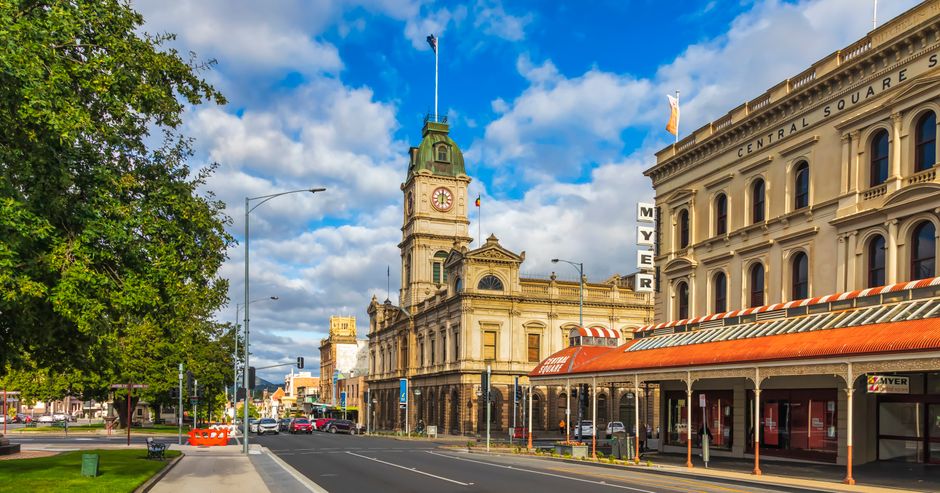
The pandemic accelerated several trends. Remote working drove demand for suburban properties, pushing median house prices from $420,000 in 2019 to over $680,000 by 2024. This demographic shift—younger families and professionals moving to the outer suburbs—changed expectations about where services should be located. Meanwhile, the proposed redevelopment of the Pall Mall precinct became increasingly contentious, with business owners expressing concerns about construction timelines and ratepayers questioning whether heritage preservation should outweigh modernisation.
By 2023, the council faced hard realities. Interest rate rises meant borrowing costs for infrastructure projects nearly doubled. The transition away from coal-dependent revenue streams in surrounding Latrobe Valley communities sent ripples through regional economies. Council's own income from parking and leisure centre memberships—historically important revenue sources—stalled as usage patterns changed.
The rate rises contemplated in recent months stem directly from these accumulated pressures. A modest property valued at $650,000 would see annual rates climb toward $2,100, up from approximately $1,750 five years ago. For pensioners on fixed incomes in suburbs like Eaglehawk and Kangaroo Flat, this represents genuine hardship.
Yet the alternative—service cuts or further infrastructure deferral—creates its own problems. The Bendigo Community Health Service, which provides crucial support across multiple suburbs, depends partly on council co-funding. The planned upgrade to drainage in flood-prone areas near Stony Creek has already been delayed twice.
What's brought us to this point isn't dramatic failure or mismanagement, but rather the grinding mathematics of a growing city with aging infrastructure, rising costs, and diminished external funding sources. The decisions ahead won't resolve these tensions—they'll simply determine how Bendigo distributes the pain and invests in its future.
This article was compiled by AI from the sources linked above and screened before publishing. See our editorial standards.
Spread the word
About this article
Published by The Daily Bendigo
Daily brief
Free, in your inbox before 7am. Weekdays.