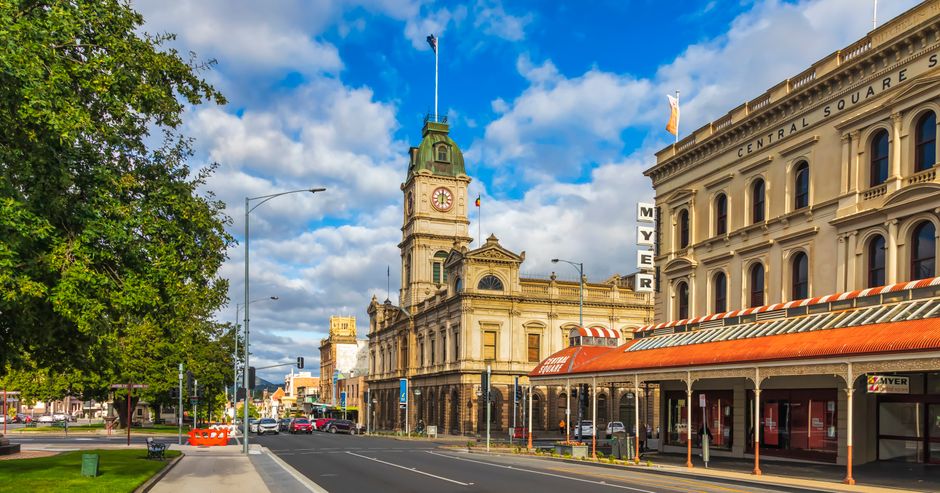
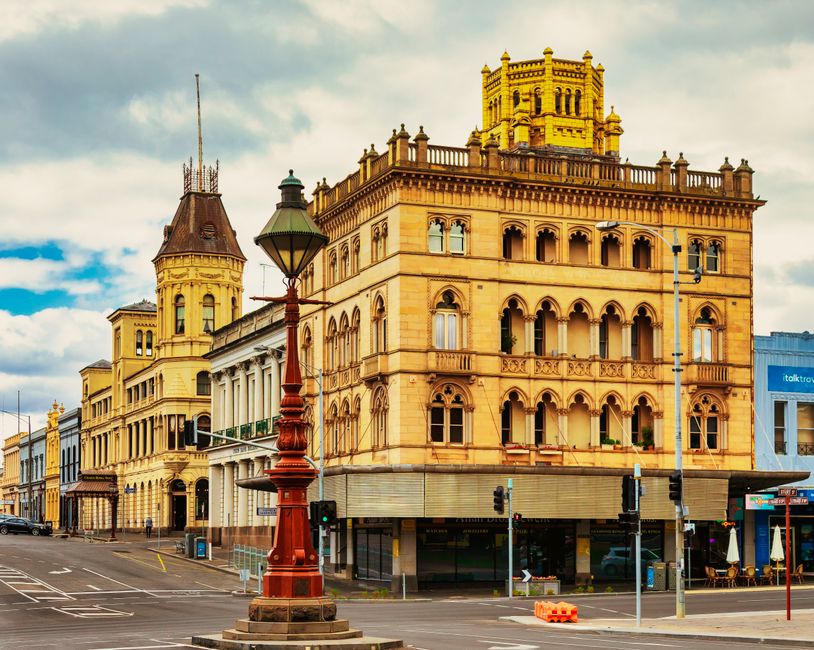
Bendigo stands at a pivotal moment in its urban evolution. After months of community consultation and heated debate, City Council faces a series of critical housing and planning decisions that will fundamentally reshape neighbourhoods from Kangaroo Flat to East Bendigo.
The immediate pressure is clear. Median house prices in established suburbs like Golden Square and Strathdale have climbed past $650,000, pricing out first-home buyers and forcing young families to look further afield. Meanwhile, planning applications for medium-density developments along Pall Mall and Bridge Street continue to mount, signalling investor confidence but also triggering resident concerns about character loss.
The council's draft Housing Strategy, released earlier this month, proposes allowing up to six-storey developments in the CBD and four-storey complexes in nearby residential zones. But implementation remains unclear. Will zoning overlays be applied uniformly, or will some neighbourhoods—potentially those with more vocal planning committees—receive exemptions? The political calculus here is delicate.
One critical decision point involves the Rosalind Park precinct. Proposed amendments could open adjacent Crown land for mixed-use development, potentially unlocking 200-plus new dwellings. Yet conservation groups worry about heritage impacts, while housing advocates argue delay means fewer homes for an increasingly squeezed market.
Infrastructure capacity presents another fork in the road. Council must decide whether to upgrade water and sewerage networks to support inner-city densification, or accept that growth will continue pushing outward toward Epsom and Marong. The financial difference is substantial—estimated at $8–12 million for the former option.
Then there's the question of affordability mechanisms. Will the council mandate inclusionary zoning—requiring developers to include affordable units in new projects—or rely on market incentives and state government grants? Advocates argue the former is essential; developers warn it will slow projects.
The transport integration puzzle looms too. The recent completion of stage two of the Bendigo train station upgrade suggests momentum for better connectivity. But will council prioritise bus corridors and bike lanes to support density, or continue car-centric planning? This choice will determine whether new residents can genuinely live car-lite lifestyles.
All eyes now turn to Council's planning committee meeting scheduled for mid-July. The decisions made then—about overlays, infrastructure investment, and developer incentive structures—will echo through property markets and neighbourhood character for the next twenty years. For Bendigo, there is no neutral choice: inaction is itself a decision, one that favours sprawl over consolidation.
This article was compiled by AI from the sources linked above and screened before publishing. See our editorial standards.