How Bendigo's Declining High Street Led to a Grassroots Revival on View Street
A decade of empty shopfronts and changing shopping habits set the stage for a community-led transformation in the heart of the city.
3 min read
A decade of empty shopfronts and changing shopping habits set the stage for a community-led transformation in the heart of the city.
3 min read
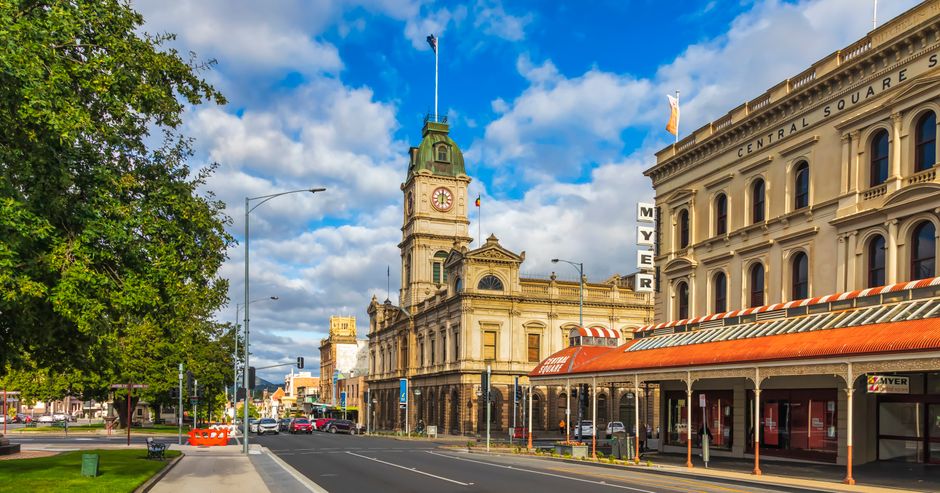
Walk down View Street today and you'll see something unrecognisable from five years ago: bustling laneway markets, independent boutiques, and a palpable sense of renewal. But this resurgence didn't happen overnight—it emerged from years of struggle that gripped Bendigo's traditional retail spine.
For much of the 2010s and early 2020s, the central business district was haemorrhaging tenants. Major department stores closed their Bendigo outlets between 2018 and 2022, taking with them foot traffic that had anchored the community for generations. Vacancy rates on View Street climbed to nearly 18 percent by 2023, according to property surveys at the time. Landlords held asking rents at pre-decline levels, leaving many shop spaces dark and boarded up.
The broader retail landscape had shifted. Online shopping accelerated dramatically during the pandemic, and suburban shopping centres like Bendigo Central—which opened in the early 2000s and drew custom away from the CBD—continued to capture market share. Meanwhile, younger residents were increasingly moving to inner suburbs or Melbourne's outer fringe, changing the demographic makeup of those who visited the city core.
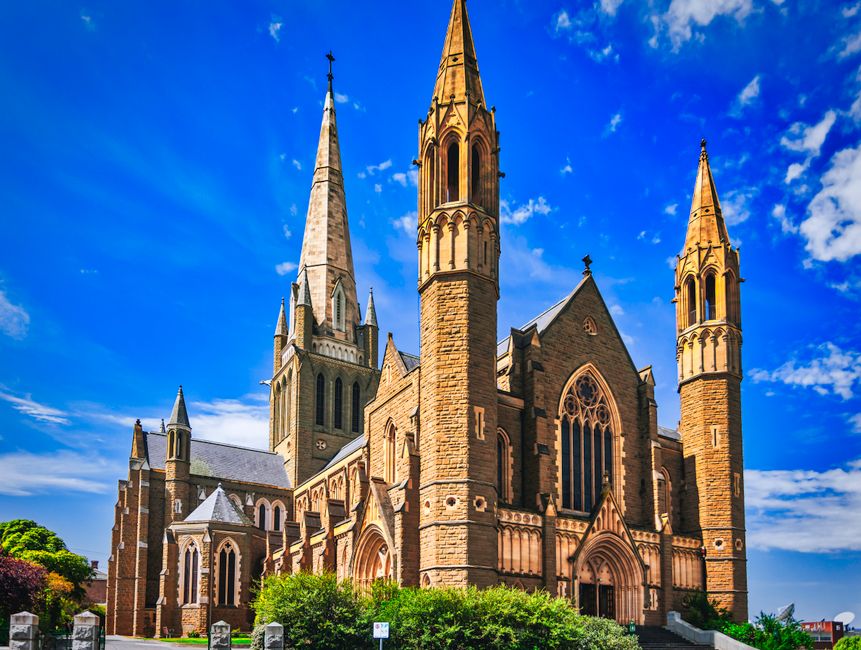
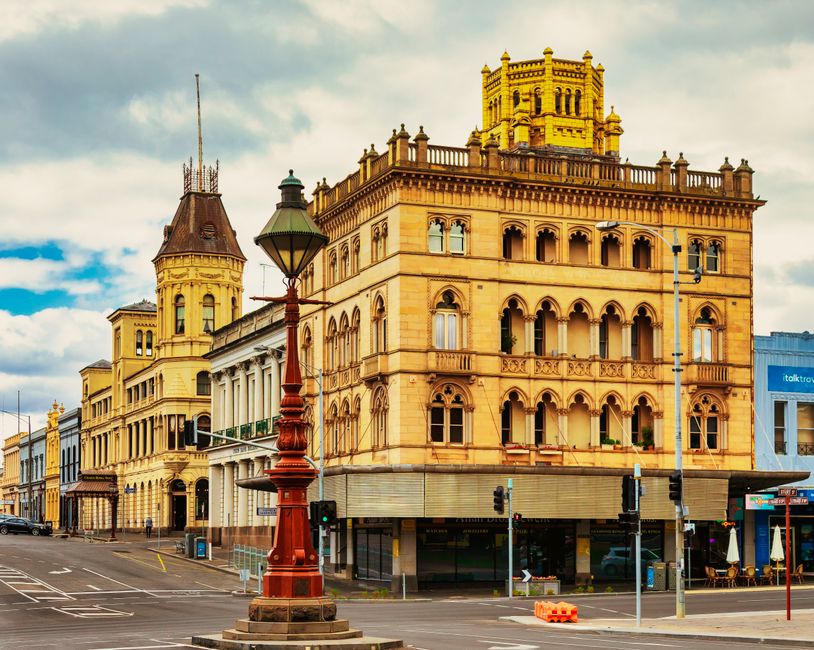
Local business owners and council representatives watched with mounting concern. The Bendigo Chamber of Commerce documented declining visitor numbers through 2023 and 2024, while hospitality venues reported erratic trading patterns. At the same time, heritage advocates worried about the cultural cost of losing the Victorian-era streetscape that had defined the city's identity.
The turning point came when a coalition of community groups—including the Bendigo Heritage Network, local traders, and grassroots cultural organisations—began advocating for a different model. Rather than waiting for major retailers to return, they focused on activating empty spaces. Pop-up markets, art installations, and street activation projects tested whether people would return to the CBD if offered authentic, locally-driven experiences rather than chain-store monotony.
By late 2024, several landlords had reduced rents to attract independent operators. A handful of creative enterprises—artists, small cafes, niche retailers—began signing leases. Council planning changes made it easier to permit temporary uses in vacant spaces, removing bureaucratic friction.
What emerged from this difficult decade was a recognition that Bendigo's future didn't lie in recreating the past, but in leveraging the very thing that made the city distinctive: its community character. The View Street renaissance, now well underway in mid-2026, reflects that hard-won lesson—that sometimes a city needs to almost lose itself before it can find something better.
This article was compiled by AI from the sources linked above and screened before publishing. See our editorial standards.
Spread the word
About this article
Published by The Daily Bendigo
Daily brief
Free, in your inbox before 7am. Weekdays.