Wellness
The Science and Research Behind Timed Nutrition Approaches
Studies on meal spacing show measurable effects on blood glucose and energy regulation for adults in regional areas.
2 min read
Updated 2 h ago
Wellness
Studies on meal spacing show measurable effects on blood glucose and energy regulation for adults in regional areas.
2 min read
Updated 2 h ago

A 2025 review by the CSIRO's Health and Biosecurity division found that adults who space meals three to four hours apart recorded steadier blood glucose readings than those who ate smaller amounts more often.
The findings arrive as regional health services record higher presentations for metabolic conditions after several years of disrupted routines following the pandemic.
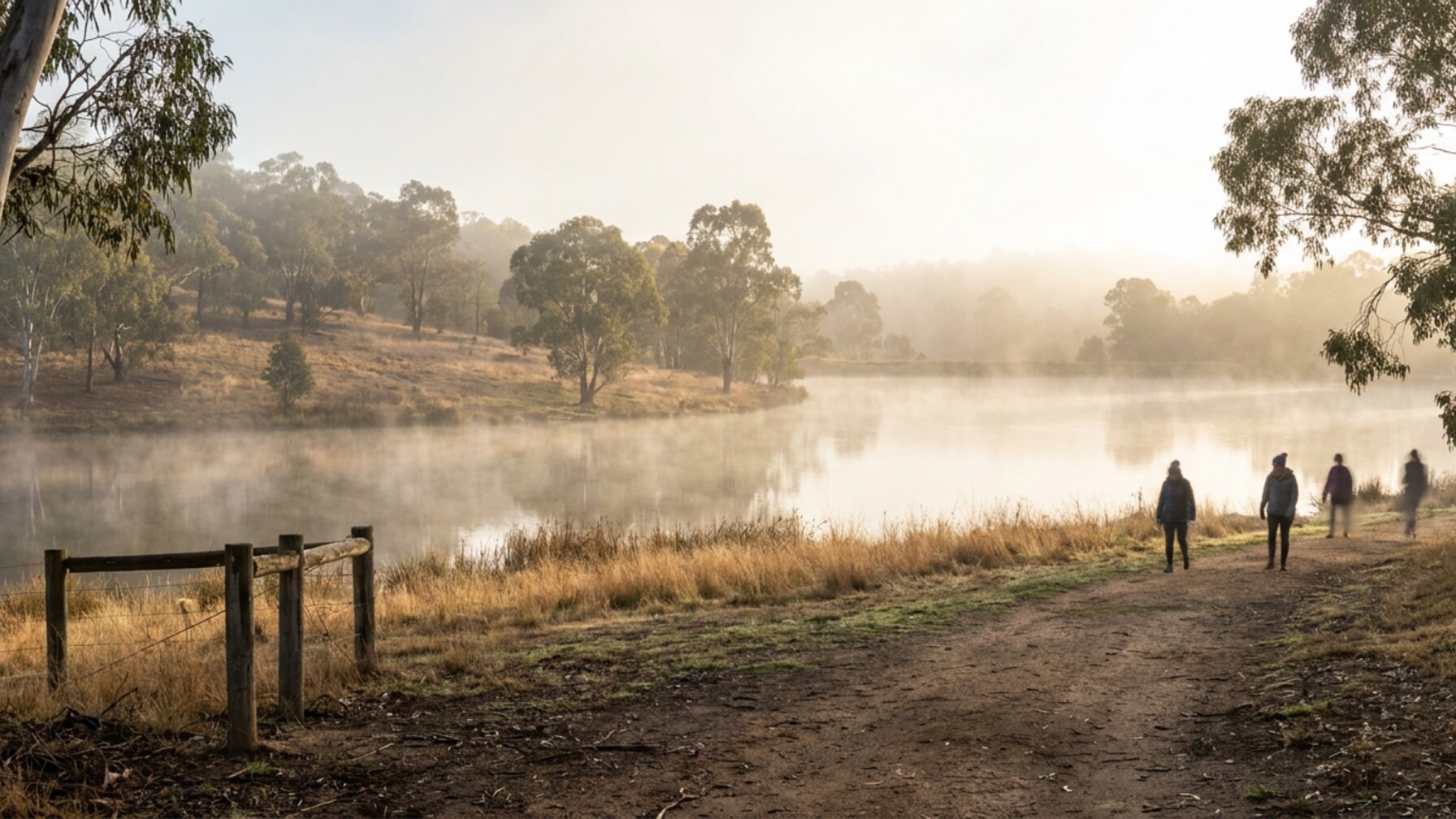
Bendigo residents can join the weekly Rosalind Park parkrun on Saturday mornings before heading to cafes along Pall Mall for a planned breakfast, while the Bendigo Health campus on Lucan Street runs group sessions that link nutrition planning with walks on the Bendigo Creek recreational trail.
The Australian Bureau of Statistics' 2022-23 National Health Survey recorded that 66 per cent of Australian adults were overweight or obese, with higher rates outside major cities.
Controlled studies show that consistent intervals allow insulin levels to return to baseline between meals, reducing the frequency of spikes that contribute to fatigue later in the day. Participants in one multi-year trial maintained this pattern for twelve months and showed average reductions in fasting glucose of 0.4 mmol/L.
Local dietitians at the Bendigo Health campus note that patients who combine timed eating with activity on the Murray to Mountains Rail Trail report fewer afternoon energy dips during follow-up visits.
Start by setting fixed windows for breakfast, lunch and dinner that fit work and family schedules, then adjust portion sizes to match activity levels recorded on the trail apps used by Rosalind Park participants. Track how energy changes after seven days and discuss results with a general practitioner at the Bendigo Health campus before making further changes.

Wellness

Wellness
Wellness

Wellness

Wellness

Wellness
About this articleBeta
Published by The Daily Bendigo
Spread the word
Daily brief
Free, in your inbox before 7am. Weekdays.
The Daily Network — local news across Australia