Wellness
The science behind mindfulness: what it actually does to the brain
Brain imaging studies show measurable shifts in structure and activity after regular practice.
2 min read
Updated 10 h ago
Wellness
Brain imaging studies show measurable shifts in structure and activity after regular practice.
2 min read
Updated 10 h ago

Neuroimaging research from 2024 found that eight weeks of daily mindfulness training reduced activity in the amygdala by an average of 15 percent while increasing gray matter density in the hippocampus.
These changes matter now because Bendigo residents face rising reports of workplace stress and sleep disruption tracked through the Bendigo Health campus on Lucan Street. Local health services have noted a 22 percent uptick in referrals for anxiety support since 2023, prompting interest in non-drug approaches that target brain function directly.
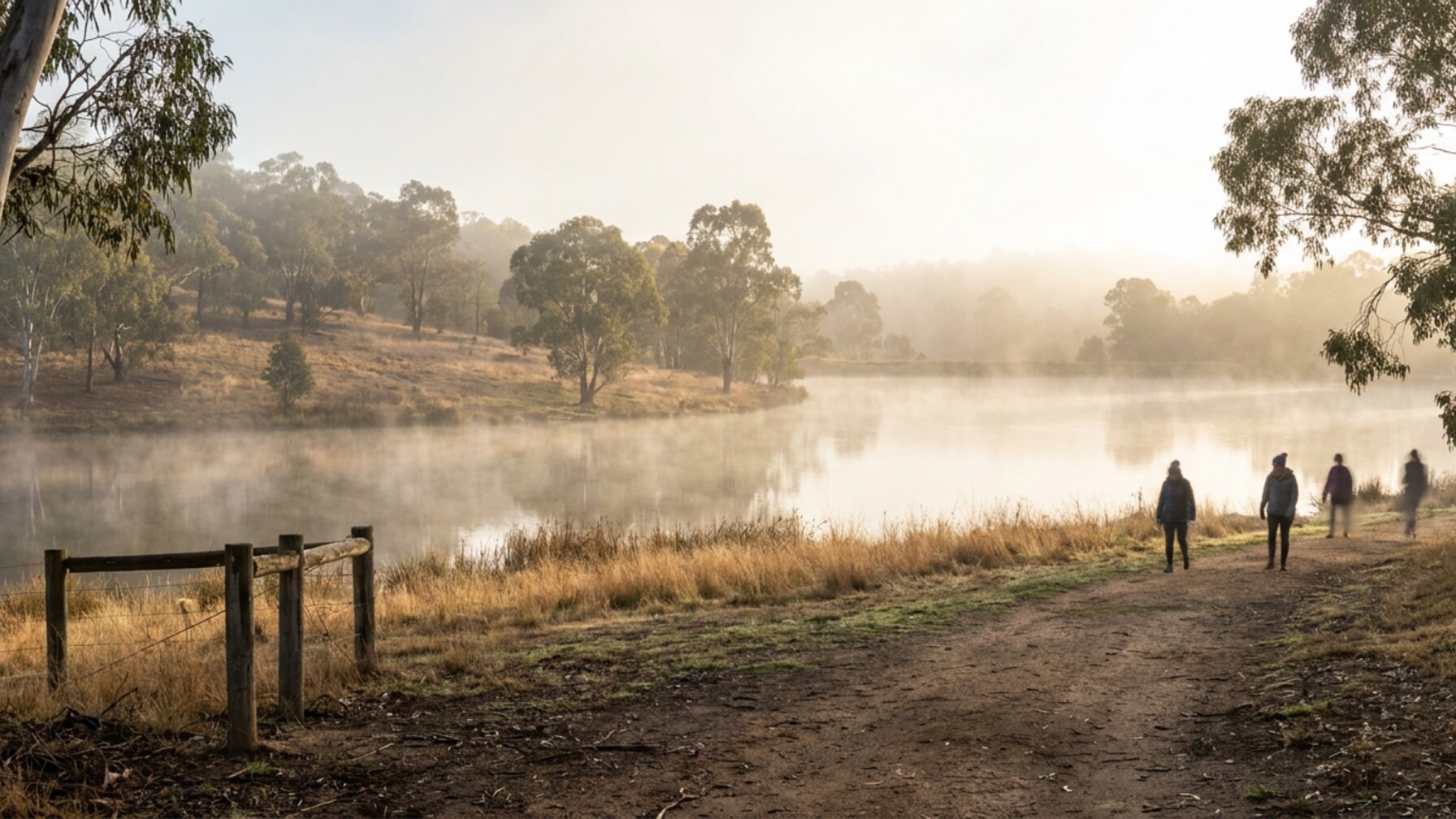
Walkers on the Bendigo Creek recreational trail between White Hills and the city centre have started incorporating brief breathing pauses at marked rest points installed last year. Rosalind Park parkrun participants on Saturday mornings often finish with a five-minute seated awareness exercise near the rotunda, organised through the park’s volunteer committee. These sessions draw from evidence that combining movement with focused attention produces faster shifts in prefrontal cortex connectivity than seated practice alone.
A 2023 meta-analysis published in JAMA Psychiatry reviewed 78 randomised trials and reported consistent reductions in cortisol levels after six weeks of guided mindfulness, with average drops of 18 percent in participants who logged at least 12 minutes daily. Bendigo Health campus wellness staff reference similar findings when they run free introductory workshops on the first Tuesday of each month in the education centre on Barnard Street.
People interested in tracking their own response can begin with a seven-day trial using a phone timer for ten minutes each morning before heading out along the Murray to Mountains Rail Trail section that starts near the Bendigo Railway Station. Anyone with existing health conditions should speak with their GP at the Bendigo Health campus before starting a new routine.

Wellness

Wellness
Wellness

Wellness
Wellness

Wellness
About this articleBeta
Published by The Daily Bendigo
Spread the word
Daily brief
Free, in your inbox before 7am. Weekdays.
The Daily Network — local news across Australia