Wellness
Why people are sleeping worse and what to do about it
Bendigo adults are logging fewer restful hours amid screen habits and daily disruptions, yet targeted local routines can restore better patterns.
2 min read
Updated 2 h ago
Wellness
Bendigo adults are logging fewer restful hours amid screen habits and daily disruptions, yet targeted local routines can restore better patterns.
2 min read
Updated 2 h ago

Bendigo Health campus recorded a 22 percent rise in sleep-related visits between January and May this year compared with the same period in 2025.
The increase tracks wider shifts in evening routines. More residents keep phones and laptops active past 10pm, while irregular work schedules from the recent Telstra outage left many catching up on tasks late into the night. These patterns compound over weeks and shorten the window for deep sleep stages that repair tissue and regulate mood.
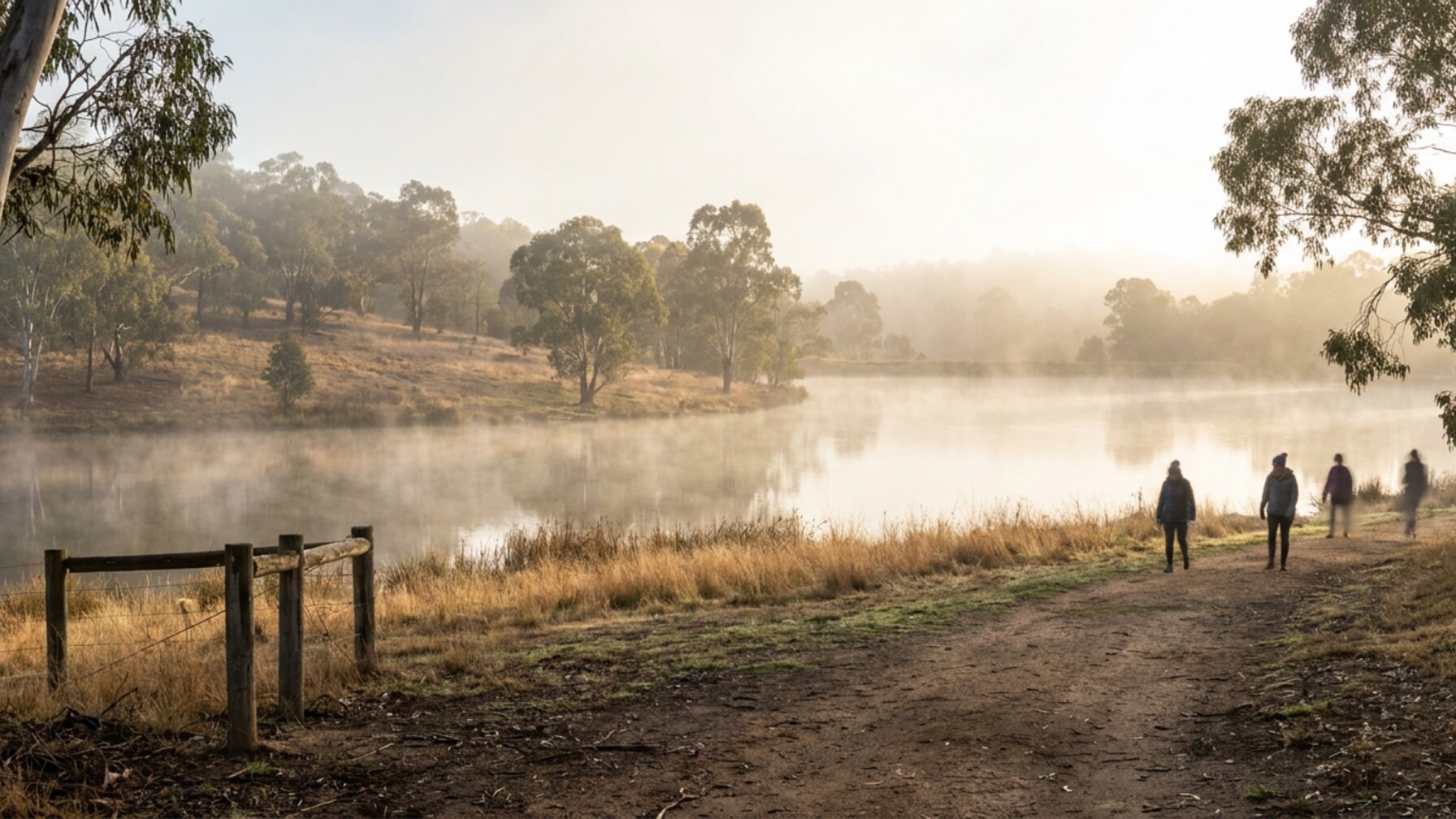
Residents near Rosalind Park report the same trend. The Saturday parkrun there draws 180 to 220 runners most weeks, yet many participants still describe fragmented nights because they scroll through news feeds immediately before bed. A short walk along the Bendigo Creek recreational trail after dinner helps some reset their internal clocks, but only when they leave devices at home. The trail’s flat 3.2-kilometre loop from the city centre to the Botanical Gardens offers consistent natural light exposure that supports melatonin production when timed before sunset.
National figures back the local pattern. The Australian Institute of Health and Welfare’s 2025 sleep survey showed average nightly sleep for adults aged 25 to 54 fell to 6.4 hours, down from 7.1 hours in 2019, with the steepest drops among those living in regional centres.
Start with a fixed wind-down time. Dim household lights at 9pm and move phones to another room. Replace the final scroll with a 20-minute stroll on the Murray to Mountains Rail Trail section that begins at the Bendigo station platform; the even surface and low traffic make it suitable after dark with a headlamp. Limit caffeine after 2pm and keep the bedroom between 16 and 18 degrees Celsius. Those who still struggle after two weeks should book a review at the Bendigo Health campus sleep clinic rather than rely on over-the-counter remedies. Small, repeated changes in the evening routine produce measurable gains within a fortnight for most people.

Wellness

Wellness
Wellness
Wellness

Wellness
Wellness
About this articleBeta
Published by The Daily Bendigo
Spread the word
Daily brief
Free, in your inbox before 7am. Weekdays.
The Daily Network — local news across Australia