Bendigo's inland location, sitting about 120 metres above sea level on the edge of central Victoria's drier plains, creates a unique climate challenge when it comes to hydration. Unlike coastal regions, our area experiences less humidity but more intense UV exposure and heat fluctuations—conditions that demand a thoughtful approach to fluid intake.
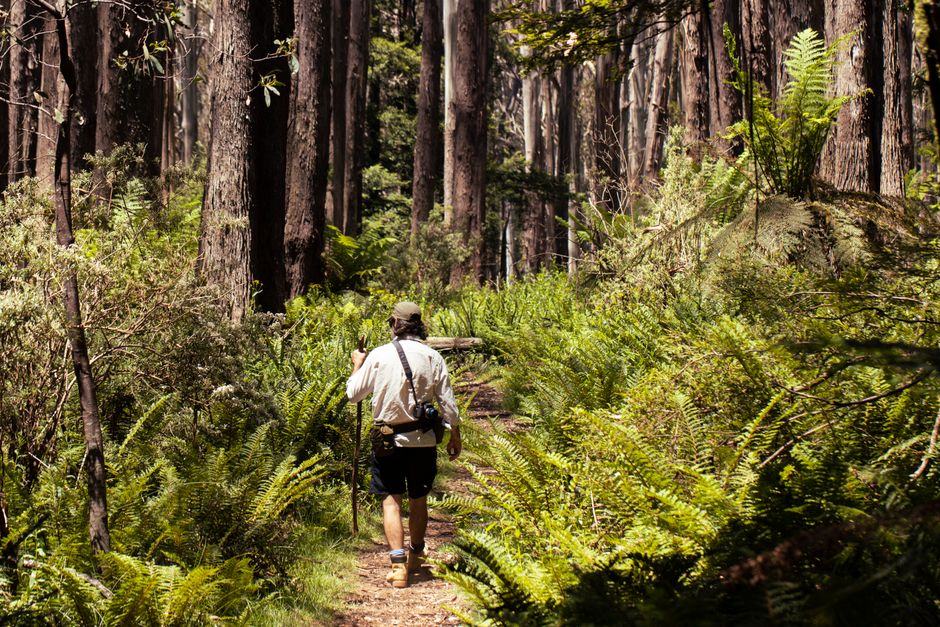
The general wellness guideline of eight glasses daily doesn't account for Bendigo's specific conditions. During our warmer months, which stretch from September through April, most adults should aim for 2.5 to 3 litres daily, rising to 4 litres or more if you're active outdoors. If you're walking the Murray to Mountains Rail Trail or joining the early crowd at Rosalind Park's parkrun, your needs increase significantly.
Water remains the gold standard. It's accessible, affordable—Bendigo's tap water quality is excellent—and contains no hidden sugars. However, the type of activity matters. For recreational walking around Rosalind Park or the Bendigo Creek trail, plain water is sufficient. For sustained exercise exceeding 60 minutes, sports drinks containing 4-8% carbohydrates and electrolytes can enhance performance and recovery. These are available at most supermarkets across the CBD and suburbs like Golden Square and East Bendigo, typically costing $2-4 per 500ml bottle.
Coffee and tea contribute to hydration, despite their caffeine content—a common misconception. A flat white from your favourite Pall Mall café counts toward your daily intake, though the diuretic effect means pairing it with extra water is sensible on hot days.
Coconut water has gained popularity as a natural electrolyte source. Local health food stores along View Street stock it at $4-6 per litre, making it pricier than sports drinks but appealing for those seeking less-processed options.
Timing is as important as quantity. Rather than drinking large volumes at once, sip consistently throughout the day. Start your morning with a glass before breakfast, carry a water bottle during Bendigo Health campus commutes or shopping trips, and drink before, during and after any outdoor activity.
A practical test: check your urine colour. Pale yellow indicates good hydration; dark yellow suggests you need more fluids. This self-monitoring works better than rigid schedules, especially as individual needs vary based on age, fitness level and personal metabolism.
As we head toward another hot Bendigo summer, prioritising hydration isn't about trends—it's fundamental wellness. Start now, build the habit, and you'll navigate our climate more comfortably.
For personalised nutrition and hydration advice, consult your GP or a registered dietitian at Bendigo Health or local private practices.
This article was compiled by AI and screened before publishing. See our editorial standards.