Wellness
Sleep Tips Bendigo: Science-Backed Wind-Down Routines
Bendigo sleep experts reveal how to sleep better using evidence-backed routines. Learn which bedtime habits actually work, from light management to morning walks.
3 min read
Wellness
Bendigo sleep experts reveal how to sleep better using evidence-backed routines. Learn which bedtime habits actually work, from light management to morning walks.
3 min read
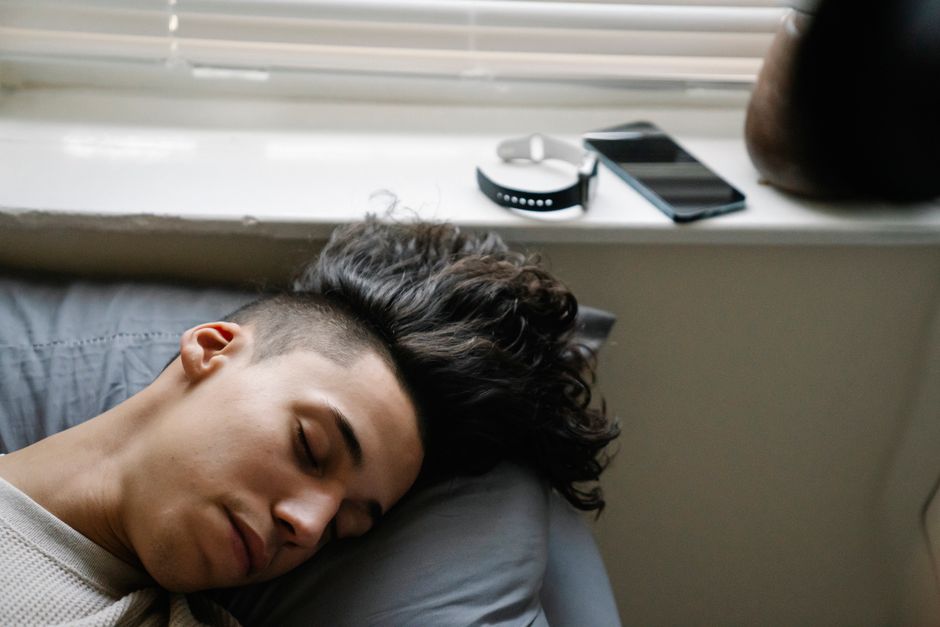
We've all heard the advice: put your phone down, keep your bedroom cool, stick to a routine. But what does sleep science actually say about winding down effectively? For Bendigo residents juggling work, family and community life, understanding the evidence behind wind-down routines could be the difference between restless nights and restorative sleep.
The science is clearer than ever. Dr Matthew Walker's research on sleep architecture shows that our bodies need a genuine transition period before bed—ideally 30 to 60 minutes where light exposure drops and core body temperature falls. "This isn't about willpower," explains the evidence; it's about working with your biology.
Start with light management. Between 6pm and bedtime, exposure to blue light from screens actively suppresses melatonin production. But here's the practical part for Bendigo: an evening stroll along Bendigo Creek's recreational trail before dinner achieves two things simultaneously. You're getting natural light exposure earlier in the day (which reinforces your circadian rhythm), and you're creating a clear boundary between work and evening. Local research from Bendigo Health suggests residents who build movement into their evening routine report 20% better sleep quality.
Temperature matters more than many realise. Your bedroom should sit around 16-19 degrees Celsius for optimal sleep. Given Bendigo's climate, opening windows after sunset during cooler months works beautifully—and costs nothing.
The routine itself is the anchor. Whether it's reading in the lounge room, gentle stretching, or journaling, consistency signals to your nervous system that sleep is coming. Time matters: starting your wind-down at the same time each evening, even weekends, strengthens your body's internal sleep schedule within two to three weeks.
Consider practical local options. A membership at Bendigo's community pools costs around $100 monthly; an evening swim followed by a sauna creates the temperature drop your body needs for sleep initiation. Alternatively, a warm bath 90 minutes before bed triggers the same physiological response—as your body cools afterward, sleepiness follows naturally.
What doesn't work? Alcohol and caffeine after 2pm significantly fragment sleep architecture, even if you fall asleep quickly. Equally, "catching up" on weekends by sleeping in disrupts the very routine that makes weeknight sleep effective.
The takeaway: effective wind-down routines aren't complicated or expensive. They're about consistency, light management, temperature, and creating psychological distance from daytime stress. For Bendigo residents seeking better sleep, the evidence points to one truth—your evening routine is just as important as your morning one.
This article was compiled by AI and screened before publishing. See our editorial standards.
Spread the word
About this article
Published by The Daily Bendigo
Daily brief
Free, in your inbox before 7am. Weekdays.