Wellness
Screen time and sleep: what the research actually shows
The blue light myth has dominated wellness chat for years—but sleep scientists say the real culprit is far more nuanced.
3 min read
Wellness
The blue light myth has dominated wellness chat for years—but sleep scientists say the real culprit is far more nuanced.
3 min read
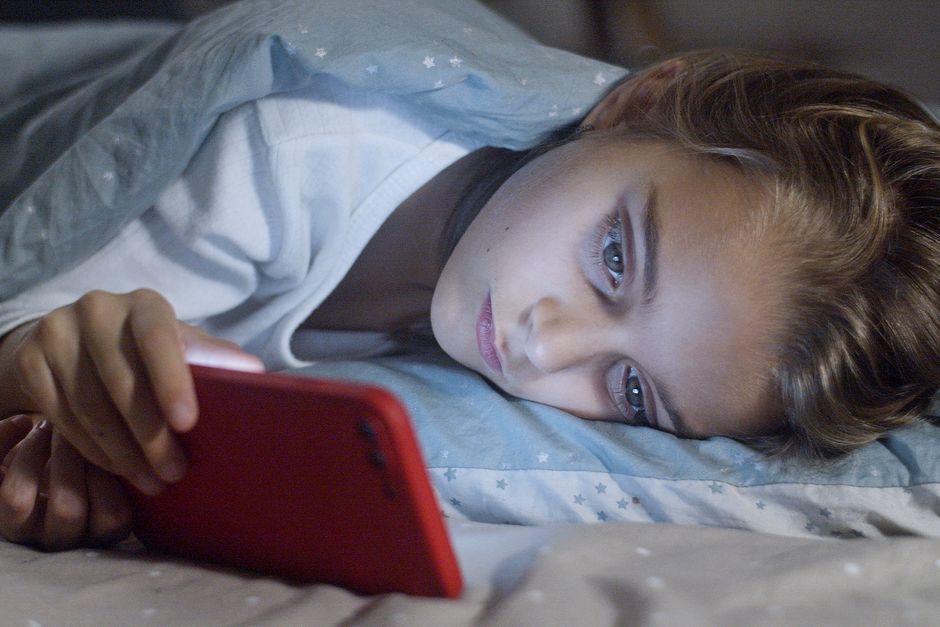
If you've scrolled through your phone at midnight while lying in bed, you've probably heard it: blue light destroys sleep. It's become wellness gospel, the kind of thing your doctor mentions and wellness influencers weaponise. But the actual research tells a messier, more interesting story—one that matters particularly for Bendigo residents juggling work, family, and those evening walks along Bendigo Creek.
The blue light narrative isn't entirely false, but it's been oversimplified to the point of distortion. Yes, blue light suppresses melatonin production, the hormone that signals sleep time. Research published in sleep medicine journals confirms this. But here's what gets lost in the messaging: the effect is modest, especially compared to the much larger problem of screen engagement itself.
"The real issue is behavioural," explains sleep science literature consistently: it's not the wavelength of light, but what screens do to your brain. When you're watching a gripping series or checking emails at 10pm, you're mentally stimulated. Your brain thinks it's daytime. The content—not the glow—is what keeps you wired. Studies show this engagement effect dwarfs the melatonin-suppression effect by a significant margin.
For Bendigo residents, this distinction matters practically. If you're catching up on work emails from your couch in Kangaroo Flat while your partner reads a physical book, the research suggests your sleep disruption stems more from processing information than from screen luminescence.
The second overlooked factor: timing. Scrolling at 11pm is genuinely problematic. Scrolling at 6pm? The research is far less alarming. Most sleep scientists agree that two to three hours before bed is the critical window. That's your genuine danger zone—time to put the phone down before your Rosalind Park parkrun tomorrow morning.
What actually works, according to sleep research consensus: maintain a consistent sleep schedule (even on weekends), dim your bedroom lights 60-90 minutes before bed, and keep screens out of the bedroom altogether if possible. Bendigo Health's wellness resources align with this evidence-based approach.
The blue light filter glasses marketed at the Bendigo shopping centres? They're not harmful, but they're also solving perhaps 5-10 per cent of your actual problem. The real solution is older and less profitable: discipline around when and how you use devices.
Your sleep troubles probably aren't a technological problem requiring a technological fix. They're a behavioural one—and that's actually encouraging news. You're already in control.
This article was compiled by AI and screened before publishing. See our editorial standards.
Spread the word
About this article
Published by The Daily Bendigo
Daily brief
Free, in your inbox before 7am. Weekdays.