Technology
Bendigo’s startup scene grows up, without a camera in your face
How the city's tech ecosystem is carving out a global niche by betting on productivity over surveillance.
4 min read
Updated 1 h ago
Technology
How the city's tech ecosystem is carving out a global niche by betting on productivity over surveillance.
4 min read
Updated 1 h ago
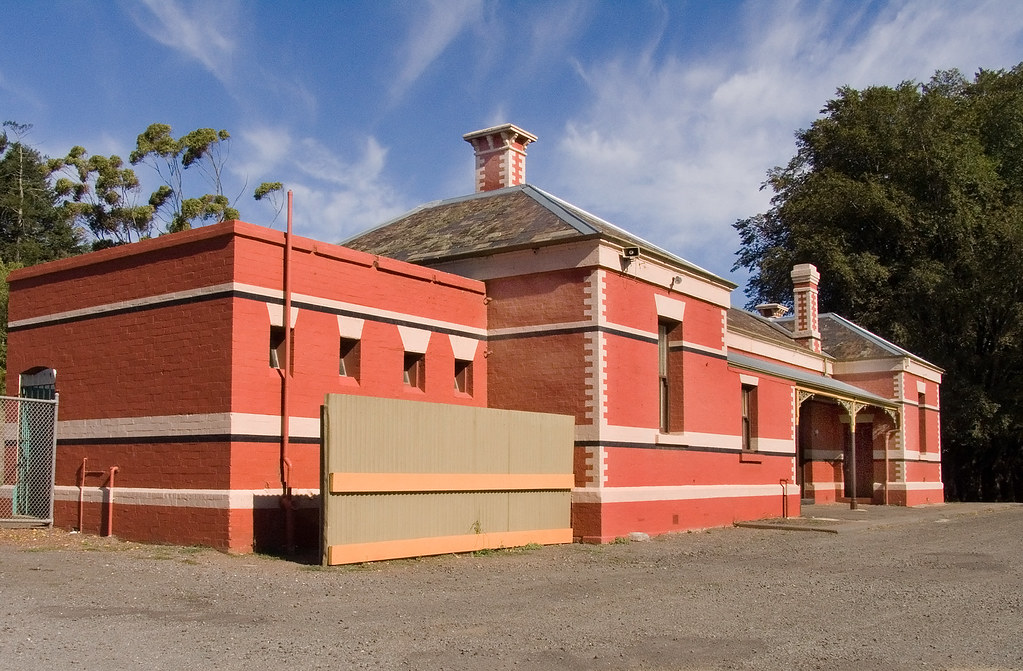
On a Tuesday morning in July, a dozen founders crowded into the shared workspace at the Bendigo Innovation Centre on Mundy Street. None of them were pitching a robotaxi. None were promising to cure cancer, at least not yet. Instead, the conversation turned to a question that increasingly defines this city's tech scene: how to build tools that help people work better without making them feel watched.
That question is at the heart of a quiet shift in Bendigo's startup ecosystem. While global tech headlines churn with robotaxi ultimatums and celebrity-backed biotech, Bendigo's founders have been concentrating on a narrower, more durable kind of innovation, productivity hardware and software designed to be invisible, not intrusive.
The approach mirrors a bet being made by a startup called Even Realities, which earlier this month launched smart glasses with no camera. The company’s pitch: that professionals want heads-up displays for calendars and messages, not the ability to record everyone in the room. Bendigo's ecosystem shares that philosophy. Local startups have been iterating on wearable devices, co-pilot tools, and scheduling software that tucks into daily work flows without demanding user data as a toll.
“The region has developed a reputation for building tools that respect the user’s attention,” said a tech analyst based in Melbourne who monitors Victorian startup activity. “That’s rare globally. Most hubs chase the flashiest AI or the biggest dataset. Bendigo founders seem to ask a different question: does this make the workday better?”
The ecosystem is anchored in a handful of physical hubs. The Woodend Tech Hub, about 30 minutes south of Bendigo, hosts a rotating slate of hardware prototyping workshops. The Bendigo Kangan Institute’s Trade Hub on Hargreaves Road runs a fabrication lab that startups can use for early-stage product runs. The City of Greater Bendigo’s investment arm, Invest Bendigo, offers grants of up to $50,000 for founders who locate their HQ within the municipality.
None of this is cheap. Commercial rents in the city’s central business district have climbed roughly 15 percent since January 2025, according to local commercial agents, putting pressure on early-stage teams. But founders say the trade-off is access to a testing ground. Bendigo’s population of about 120,000 is large enough to generate useful data but small enough that a founder can personally demo products at the Saturday market on Pall Mall.
The city’s distinctive trait, however, is less about infrastructure than temperament. In conversations with a dozen local founders over the past month, a recurring theme emerged: they are wary of the “move fast and break things” ethos that defined an earlier generation of tech. Instead, they talk about “permissionless improvement”, building tools that make existing jobs better rather than inventing entirely new categories of consumer behavior.
That instinct has produced practical results. One startup based at the Innovation Centre has developed an inventory management tablet mount for commercial kitchens that attaches to refrigerator doors. Another has built a booking platform for veterinary clinics that explicitly does not use facial recognition for pet identification. Neither startup has raised venture capital. Both are cash-flow positive.
The question now is whether Bendigo’s productivity-first, low-surveillance approach can scale. The city lacks a deep bench of late-stage investors; most Series A rounds still require founders to commute to Melbourne or Sydney. But as global privacy regulations tighten and consumers grow more skeptical of AI-driven surveillance, Bendigo’s ecosystem may have picked the right problem to solve.
For now, the founders at the Mundy Street workspace are focused on shipping. The slushie machine in the corner, brought in during last week’s heat wave, is empty. The whiteboards are full. No one is recording anyone.

Technology

Technology

Technology

Technology

Technology

Technology
About this articleBeta
Published by The Daily Bendigo
Spread the word
Daily brief
Free, in your inbox before 7am. Weekdays.
The Daily Network — local news across Australia