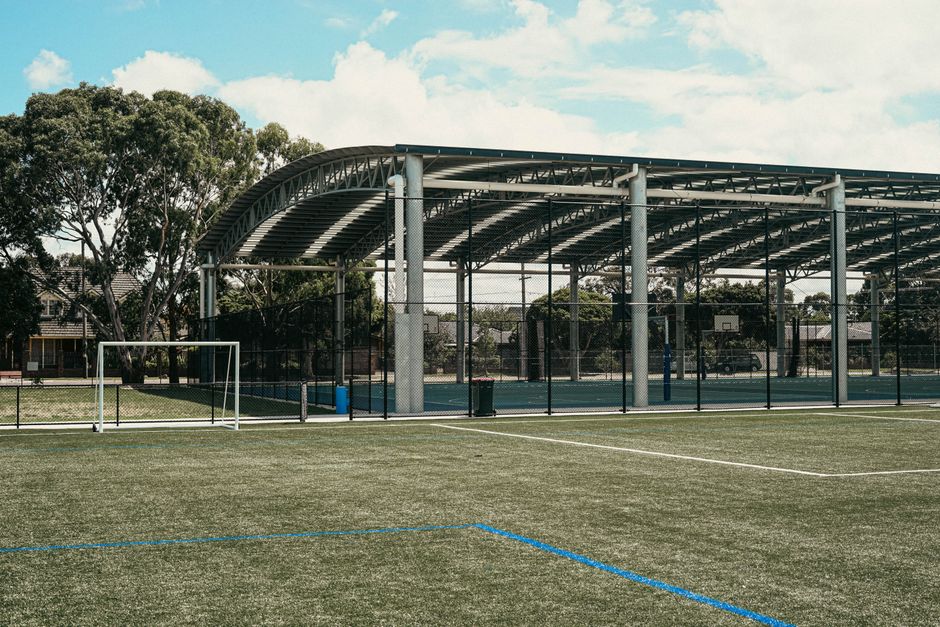
Walk through any Bendigo neighbourhood on a Saturday morning and you'll find the real heartbeat of our sporting culture: neighbourhood clubs packed with footballers, netballers, and cricketers, their success entirely dependent on the facilities beneath their feet.
The numbers tell a compelling story. Bendigo's recreational sports infrastructure supports over 12,000 amateur competitors across football, netball, cricket, and soccer leagues alone. Yet this ecosystem—spanning everything from Heritage Oval's pristine turf to the modest change rooms at Epsom's suburban reserves—remains largely invisible to those not directly involved.
Heritage Oval, anchoring Bendigo's CBD precinct, serves as the flagship facility for local football and cricket. But the real infrastructure story unfolds across the suburbs. The Bendigo Football League's 17 clubs depend on grounds ranging from well-maintained to, frankly, weathered. Clubs like Sandhurst and Strathfieldsaye operate from reserves that have hosted games for generations, though maintenance budgets stretch thin. Ground fees for local clubs average $1,500–$2,500 annually—manageable, but adding pressure to volunteer-reliant organisations.
Netball infrastructure tells a different tale. The Bendigo Netball League operates primarily through shared court facilities at secondary schools and dedicated netball centres across East Bendigo and Golden Square. This reliance on dual-use venues creates scheduling complexities; school terms dictate competition calendars in ways that wouldn't fly in larger cities.
Soccer has exploded locally. The Bendigo District Soccer League now fields 28 clubs—remarkable growth in a decade. This expansion has strained facilities. While Hargreaves Reserve and Lucas Reserve offer quality pitches, demand for winter slots remains acute. Several clubs have relocated training sessions to regional facilities outside Bendigo proper, a reality that doesn't hit headlines but fundamentally shapes participation patterns, especially for young players whose families lack transport flexibility.
Cricket's seasonal nature masks year-round facility demands. Bendigo's four main cricket grounds require consistent maintenance to meet competition standards, with curators managing everything from pitch renovation to drainage upgrades. The investment is substantial, yet often unbudgeted by councils stretched across competing priorities.
What's striking is how fragmented funding remains. State grants support headline facilities; council maintenance contracts cover basics; clubs fundraise relentlessly through raffles, trivia nights, and sponsorship chases. This patchwork works—barely—when volunteers sustain it.
As Bendigo continues growing, the question isn't whether we love sport. It's whether our facility infrastructure will keep pace with demand, or whether the next generation of local athletes will train in increasingly compromised conditions. That answer depends on conversations happening in council chambers and sporting boardrooms right now.
This article was compiled by AI from the sources linked above and screened before publishing. See our editorial standards.