Bendigo's Youth Sport Revolution Built on Courts, Ovals and Community Commitment
Investment in local venues and infrastructure is transforming how young athletes develop their talents across the Golden City.
2 min read
Investment in local venues and infrastructure is transforming how young athletes develop their talents across the Golden City.
2 min read
Bendigo's grassroots sports landscape is experiencing a quiet but significant transformation, driven by sustained investment in facilities that are giving young athletes access to world-class venues without leaving their own backyard.
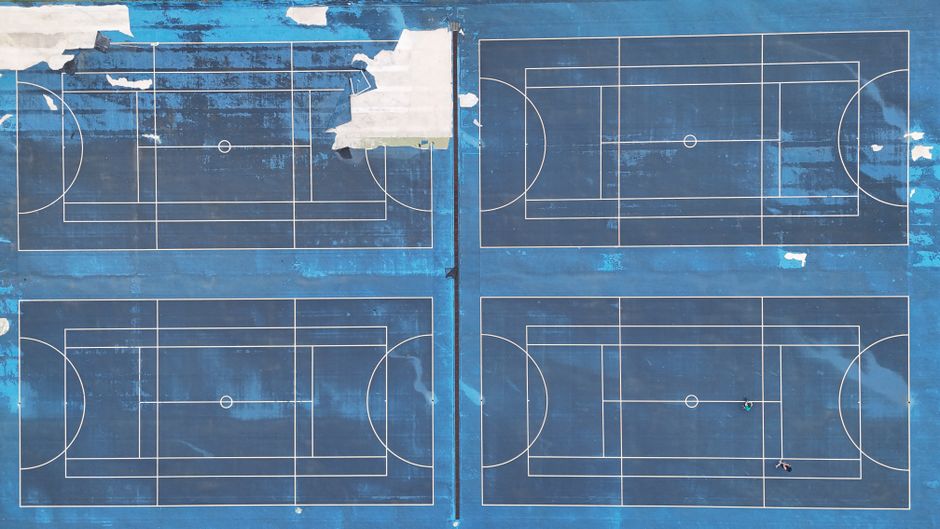
From the recently upgraded synthetic courts at the Bendigo Sports Park on Barnard Street to the expanded netball facilities at White Hills Recreation Reserve, the city's infrastructure backbone is supporting participation rates that exceed many comparable regional centres. The Bendigo Basketball Association reports a 23 per cent increase in junior registrations over the past three years, a surge they attribute directly to improved court availability and lighting upgrades across multiple venues.
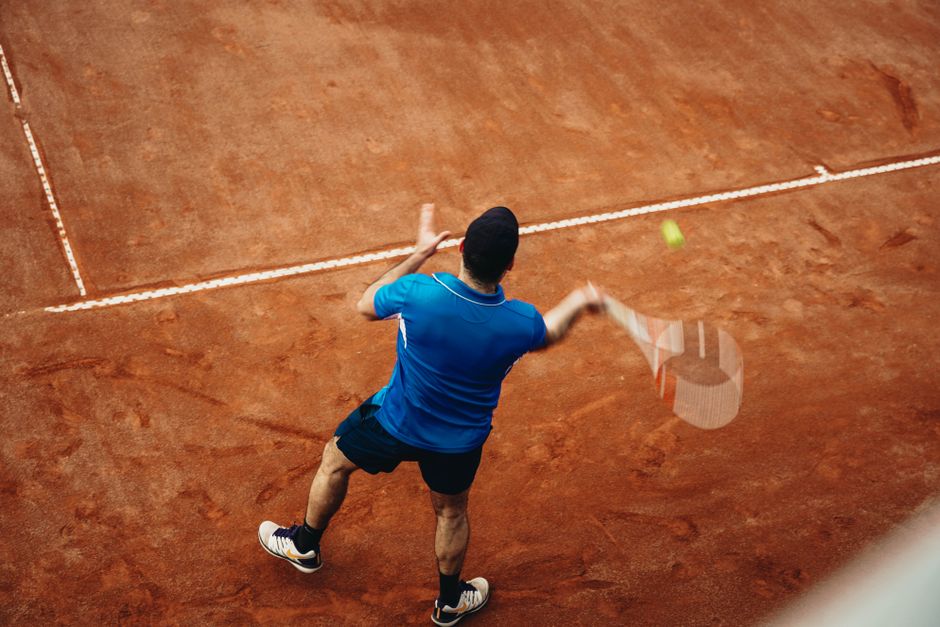
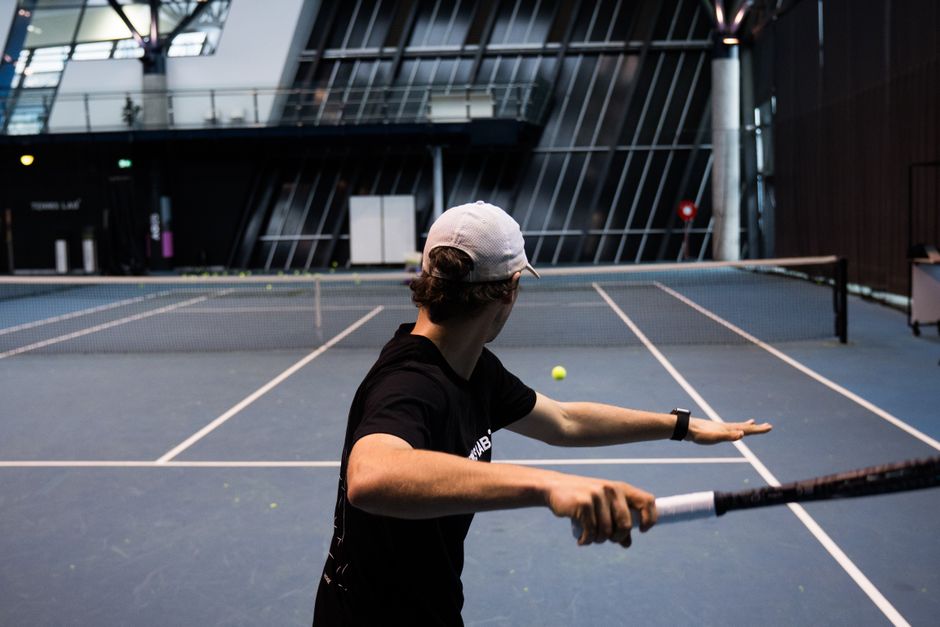
"We've got young people who previously would have travelled to Melbourne for proper training facilities," explains a spokesperson from the Bendigo Tennis Association. The organisation operates five clubs across the municipality, with the flagship venue at Pall Mall hosting more than 300 junior members. Recent renovations to court surfaces and clubhouse amenities have proven pivotal in retaining participants through the critical 10-16 age bracket.
The Council's $4.2 million investment in sports facility upgrades over the past four years has extended well beyond the CBD. Kangaroo Flat's oval redevelopment, completed in 2024, now accommodates Australian Rules football, cricket, and soccer across improved drainage systems and expanded seating. Similar works at Eaglehawk Recreation Reserve and the Bendigo Hockey Complex on Dower Street demonstrate a coordinated approach to spreading quality infrastructure throughout residential zones.
Yet capacity remains stretched. Peak-time bookings at indoor venues like the Bendigo Multipurpose Sports Centre frequently reach 95 per cent utilisation during winter months. Athletics Victoria's regional coordinator noted that while Bendigo's track facility meets competition standards, demand for programming sessions exceeds available slots by roughly 30 per cent during school terms.
Funding challenges persist. Many volunteer-run clubs operate on tight margins, managing ageing changerooms and equipment with fundraising revenue. The Bendigo Junior Rowing Club, based at the Bendigo Rowing Lake precinct, has launched a capital campaign to modernise boatsheds built in the 1990s.
Still, the trajectory is encouraging. Bendigo's approach—combining municipal investment with club-level volunteerism—is creating conditions where young athletes from all socioeconomic backgrounds can access quality training environments. As more venues undergo planned upgrades over the next two years, that accessibility is only set to improve.
This article was compiled by AI from the sources linked above and screened before publishing. See our editorial standards.
Spread the word
About this article
Published by The Daily Bendigo
Daily brief
Free, in your inbox before 7am. Weekdays.