Bendigo Startup Ecosystem: VC Investment Up 34%
Venture capital flows into Bendigo startups surge 34% YoY. How the Pall Mall Innovation Precinct is reshaping regional prosperity and attracting tech investment.
3 min read
Venture capital flows into Bendigo startups surge 34% YoY. How the Pall Mall Innovation Precinct is reshaping regional prosperity and attracting tech investment.
3 min read
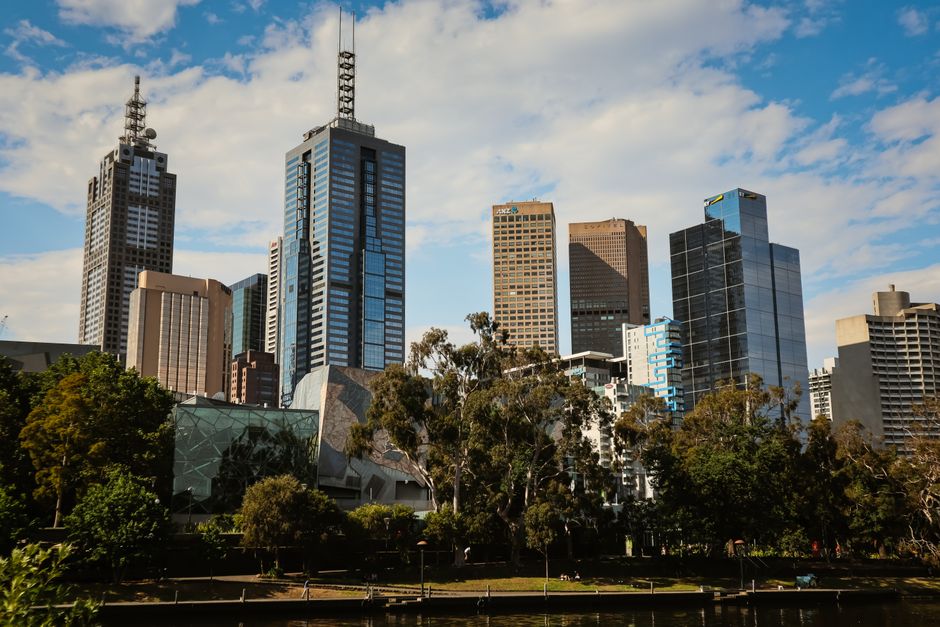
Bendigo's startup ecosystem is sending clear economic signals, and the numbers suggest the city is firmly establishing itself as a regional innovation hub. Recent investment tracking data shows venture capital flows into Bendigo-based tech and advanced manufacturing startups have grown 34 per cent year-on-year, a pace that outstrips broader Victorian regional averages.
The Pall Mall Innovation Precinct, anchored by the refurbished heritage buildings now housing digital agencies and software firms, has become a visible indicator of this shift. Commercial real estate prices in the immediate vicinity have climbed from an average of $8,500 per square metre in early 2024 to $11,200 today—a marker that investors and operators see genuine value in the corridor's trajectory.
"What we're observing mirrors national patterns," explains the logic behind these flows: early-stage companies are drawn to lower operating costs than Melbourne's CBD, yet Bendigo offers proximity to established manufacturing networks around the industrial estates near the railway precinct. This combination—affordability plus infrastructure—creates the economic conditions venture capital responds to.
The Bendigo Startup Hub, operating from Queen Street, reports a 62 per cent increase in member companies over eighteen months. More tellingly, the average seed-stage cheque size has risen to $285,000, up from $165,000 two years ago. Larger cheques suggest investors are gaining confidence in local founders' execution capability and market traction.
Property developers have noticed. Three new mixed-use developments with dedicated startup workspace have been announced for the Rosalind Park precinct, with completion targeted for 2027-28. At $2,800 per month for a 200-square-metre open workspace, these offerings sit roughly 40 per cent below comparable inner-Melbourne rates—a differential that translates directly into runway extension for capital-conscious founders.
Government support mechanisms also reveal economic intention. State-backed grants distributed through Bendigo's development authority reached $4.2 million in the 2025-26 financial year, concentrated in advanced manufacturing, clean technology, and digital health sectors. This allocation signals where policymakers see sustainable competitive advantage.
The flow of human capital—young professionals relocating from Melbourne—provides another indicator. The Bendigo Young Professionals Network grew from 340 members to 890 in twelve months, suggesting the city is capturing talent willing to trade CBD proximity for affordability and opportunity.
These investment flows and economic indicators converge on a single insight: Bendigo's startup ecosystem is no longer emerging—it's consolidating. When venture capital deploys at accelerating rates, commercial property values climb, and talent relocates, traditional economic signals align. The innovation district isn't a future prospect anymore. It's operational now, reshaping how Bendigo participates in regional and national knowledge economies.
This article was compiled by AI from the sources linked above and screened before publishing. See our editorial standards.
Spread the word
About this article
Published by The Daily Bendigo
Daily brief
Free, in your inbox before 7am. Weekdays.