From Grassroots to Glory: How Bendigo's Youth Sports Clubs Are Thriving and Building Community
Local organisations are investing in the next generation while strengthening the social fabric that binds neighbourhoods together.
3 min read
Local organisations are investing in the next generation while strengthening the social fabric that binds neighbourhoods together.
3 min read
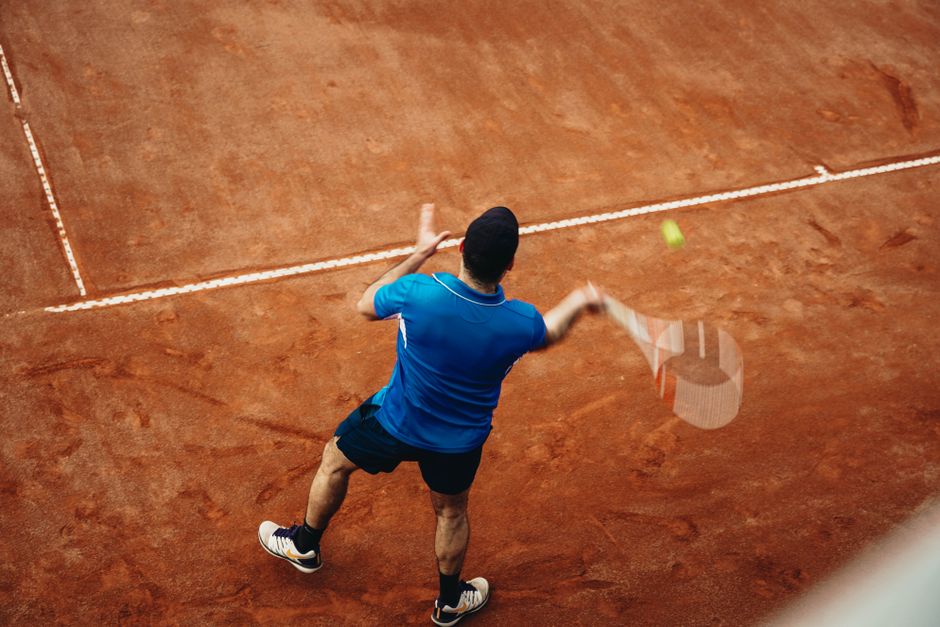
Across Bendigo's leafy suburbs and bustling precincts, a quiet revolution is unfolding on the playing fields. Youth sports clubs are experiencing a genuine resurgence, with participation numbers climbing steadily and community engagement reaching levels not seen in years.
The Bendigo Youth Football League, which operates eight clubs spanning from Eaglehawk to Strathfieldsaye, reported a 22 per cent increase in junior registrations over the past two seasons. Driven partly by post-pandemic reconnection and investment in grassroots coaching, clubs are now fielding teams from under-6s through to under-18s with unprecedented depth. The financial commitment is real: most clubs charge between $180 and $250 per player per season, yet waiting lists persist at major venues including Princess Park and the Queen Elizabeth Oval.
What distinguishes Bendigo's grassroots movement is its neighbourhood focus. The Bendigo East Junior Netball Association, based on View Street, runs satellite clinics in three suburbs, ensuring families don't need to travel more than ten minutes to access quality coaching. Similarly, Bendigo Swimming Club's satellite programs at various leisure centres have grown membership by 35 per cent, according to local council reports, breaking the traditional monopoly of central facilities.
Beyond statistics, clubs are becoming genuine community anchors. Junortoun Junior Cricket Club operates a 'bring a mate' program that has successfully integrated 70 new participants over two seasons. Volunteer coaches—mostly parents—now number over 400 across affiliated bodies, with the Bendigo Sports Association offering subsidised accreditation courses at $80 per person, down from $140 five years ago.
Perhaps most significantly, clubs are addressing equity gaps. The Bendigo Junior Athletics Centre offers financial hardship waivers and equipment loans, removing barriers that once locked families out of sport. Community grants through the Bendigo City Council's Active Communities program have distributed $185,000 across 24 grassroots initiatives in the past 18 months.
Local club administrators speak of a cultural shift. Rather than viewing youth sport purely through a competitive lens, clubs increasingly emphasise belonging, skill development, and mental wellbeing. This philosophy appears resonant: retention rates from under-8 to under-12 level have improved markedly, suggesting young athletes find genuine value in participation.
As Bendigo's population continues to grow, with new suburbs opening along the northern corridor, local sports clubs face opportunities and pressures alike. Yet their current trajectory suggests they're well-positioned to meet demand. Investment in coaching development, accessible facilities, and inclusive programming has created momentum that extends far beyond match days—strengthening the social bonds that define a thriving community.
This article was compiled by AI from the sources linked above and screened before publishing. See our editorial standards.
Spread the word
About this article
Published by The Daily Bendigo
Daily brief
Free, in your inbox before 7am. Weekdays.