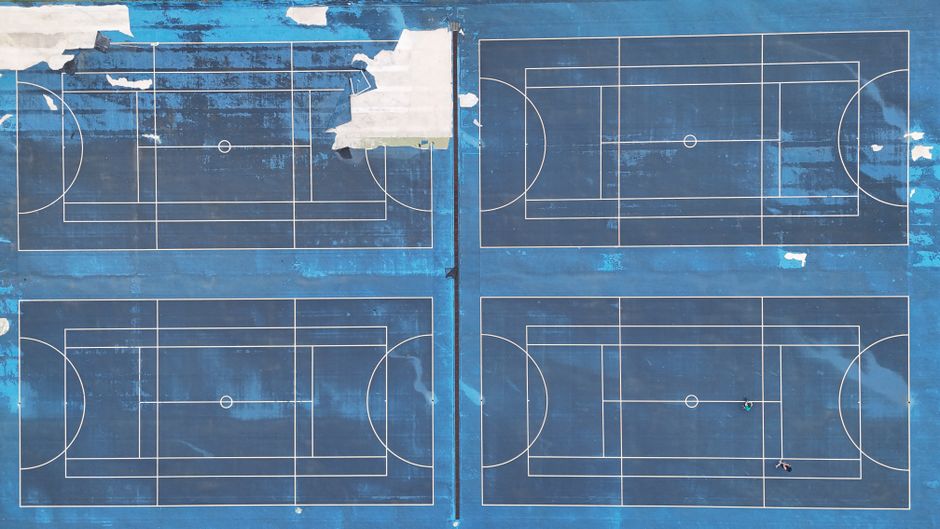
Bendigo's football community is experiencing a tangible boost as upgraded facilities and modern venues reshape the landscape for local soccer clubs. The recent overhaul of playing surfaces and training infrastructure across the city reflects a strategic commitment to supporting the sport's growth in the region.
The centrepiece of this transformation is the refurbished soccer precinct near Pall Mall, where four full-sized pitches now accommodate the Bendigo City Football Club's expanding youth programs. The facility, which cost $2.8 million to complete, features upgraded drainage systems and professional-grade irrigation that have reduced waterlogging during winter months—a persistent challenge that previously limited training schedules. Club representatives report that the improvements have enabled them to accommodate 340 players across junior and senior divisions, up 28 per cent from 2024.
Parallel developments extend across the broader Bendigo sporting corridor. The High Street precinct has seen installation of LED floodlighting at three secondary venues, extending training capacity into evening hours and accommodating shift-working players who previously struggled to find suitable kick-off times. Local clubs have responded by introducing mid-week training sessions that were previously impossible.
The broader infrastructure story reflects investment beyond grass and concrete. The recently completed change rooms at the View Street complex now provide secure storage and modern facilities that meet state competition standards. This upgrade proved critical for Bendigo United's push toward regional league promotion, which requires certified venues for home matches.
However, facility managers acknowledge ongoing challenges. While capital investment has modernised premier venues, secondary pitches across suburban locations including Strathdale and Spring Gully still operate with aging infrastructure. Some clubs report booking conflicts during peak seasons, with demand outpacing available slots despite recent expansions.
The economic impact is noteworthy. Local hospitality venues near match-day facilities have reported increased turnover, with the Pall Mall precinct generating an estimated $340,000 in additional spending during last season's finals period. This ripple effect extends to equipment suppliers and coaching services across Bendigo's CBD.
Looking forward, council planning documents indicate proposals for a synthetic pitch facility on Mitchell Street, which would provide all-weather capacity and extend the playing season. While funding remains under discussion, the momentum suggests Bendigo's football infrastructure trajectory will continue upward, positioning local clubs competitively within regional competitions and attracting emerging talent to the city's thriving soccer ecosystem.
This article was compiled by AI from the sources linked above and screened before publishing. See our editorial standards.