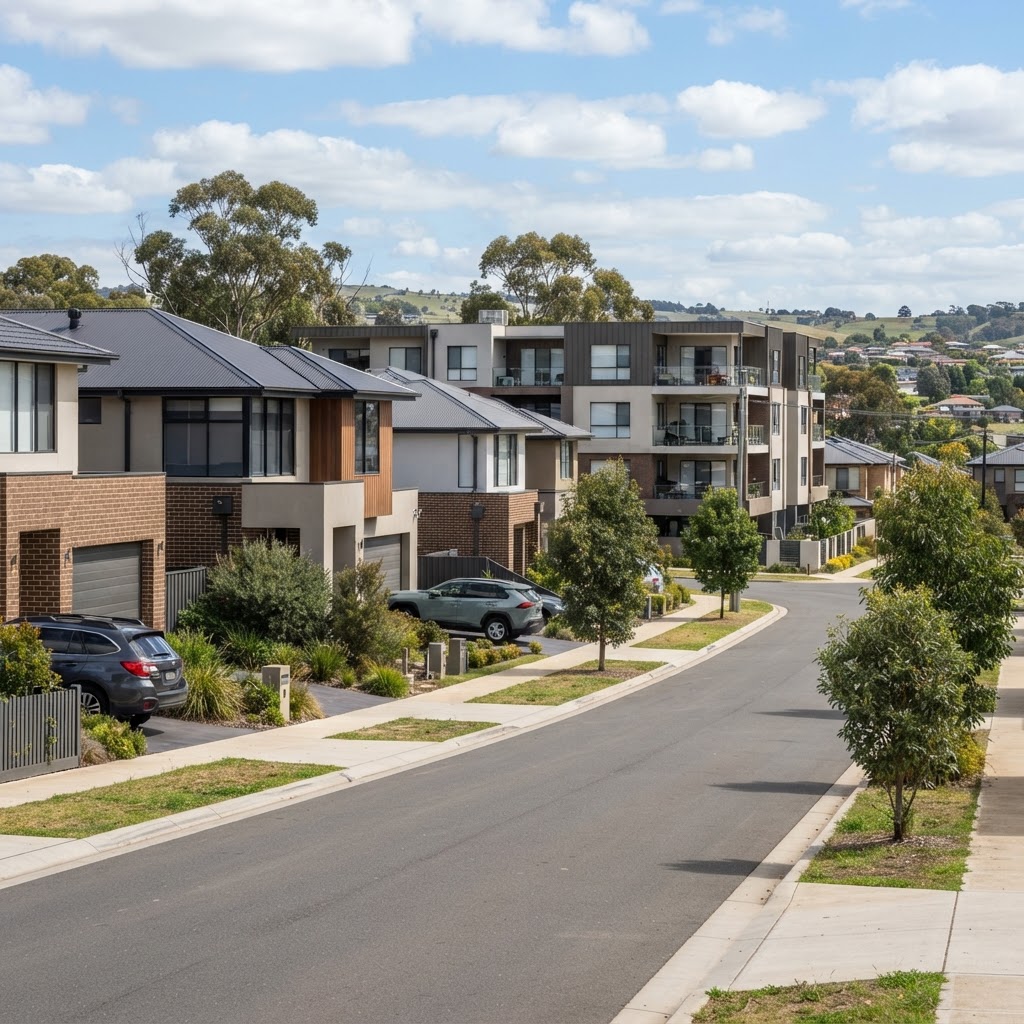
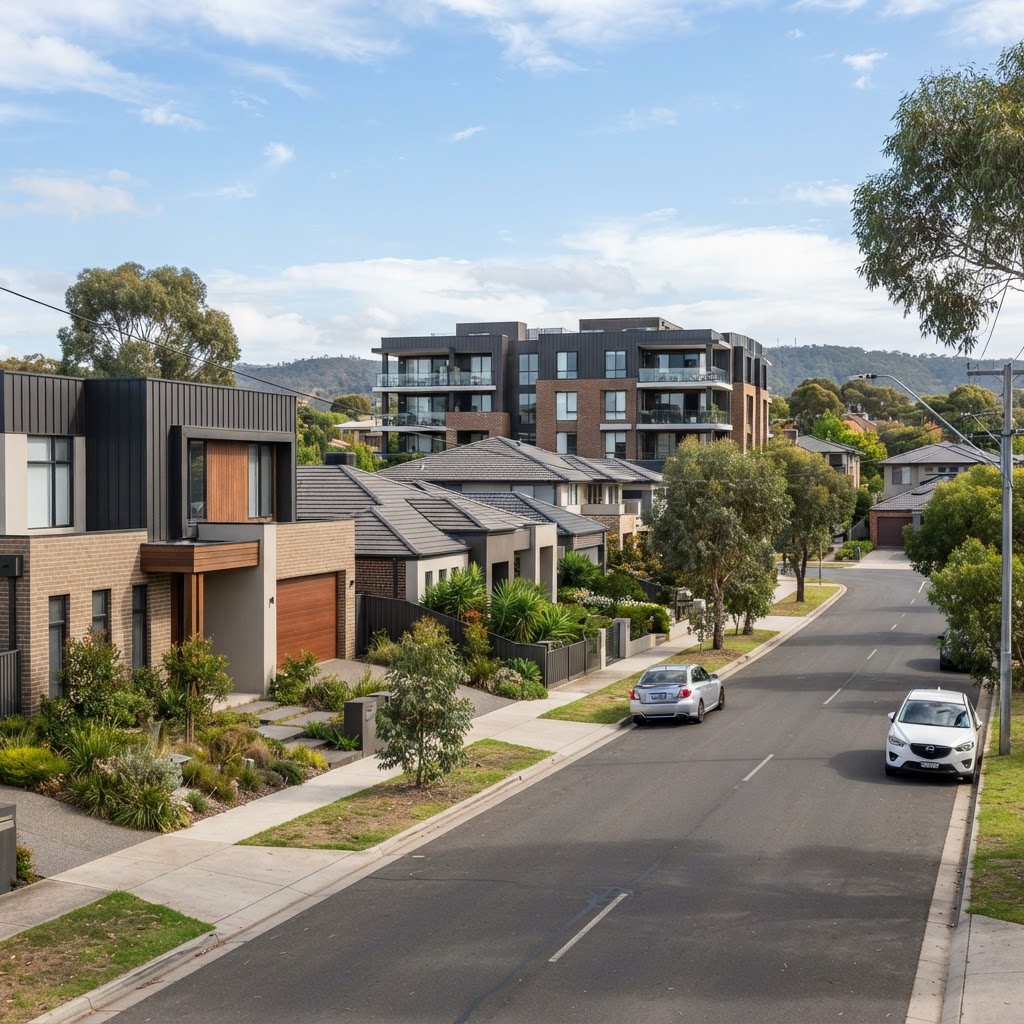
Bendigo’s rental market is tightening, leading to noticeable challenges for both tenants and landlords. Recent data from the Real Estate Institute of Victoria (REIV) reveals that Bendigo’s median weekly rent increased to $390 in June 2026, up 7% from the same period last year.
This surge has put pressure on tenants seeking affordable housing, especially in popular suburbs like Flora Hill and Strathdale, as rental vacancies shrink and competition grows. Landlords, meanwhile, are adjusting to evolving market dynamics influenced by these rental shifts and broader economic factors.
The current trend contrasts with the rental landscape seen in 2023 when vacancy rates hovered above 3%, according to REIV. Now, with vacancy rates dropping below 1.5% in mid-2026, rental properties are being snapped up quickly, a shift demanding responses from all market participants.
Local impact: hot spots and support services in Bendigo
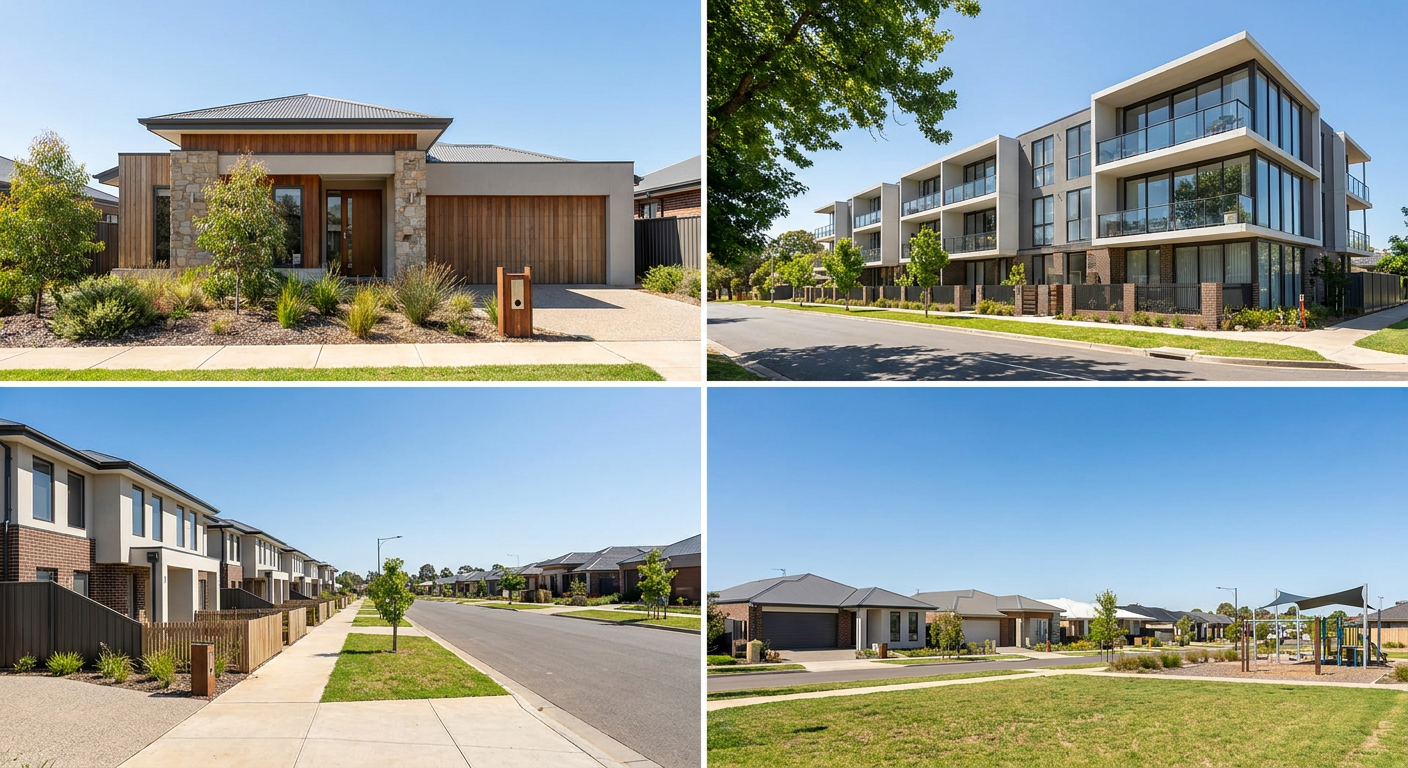
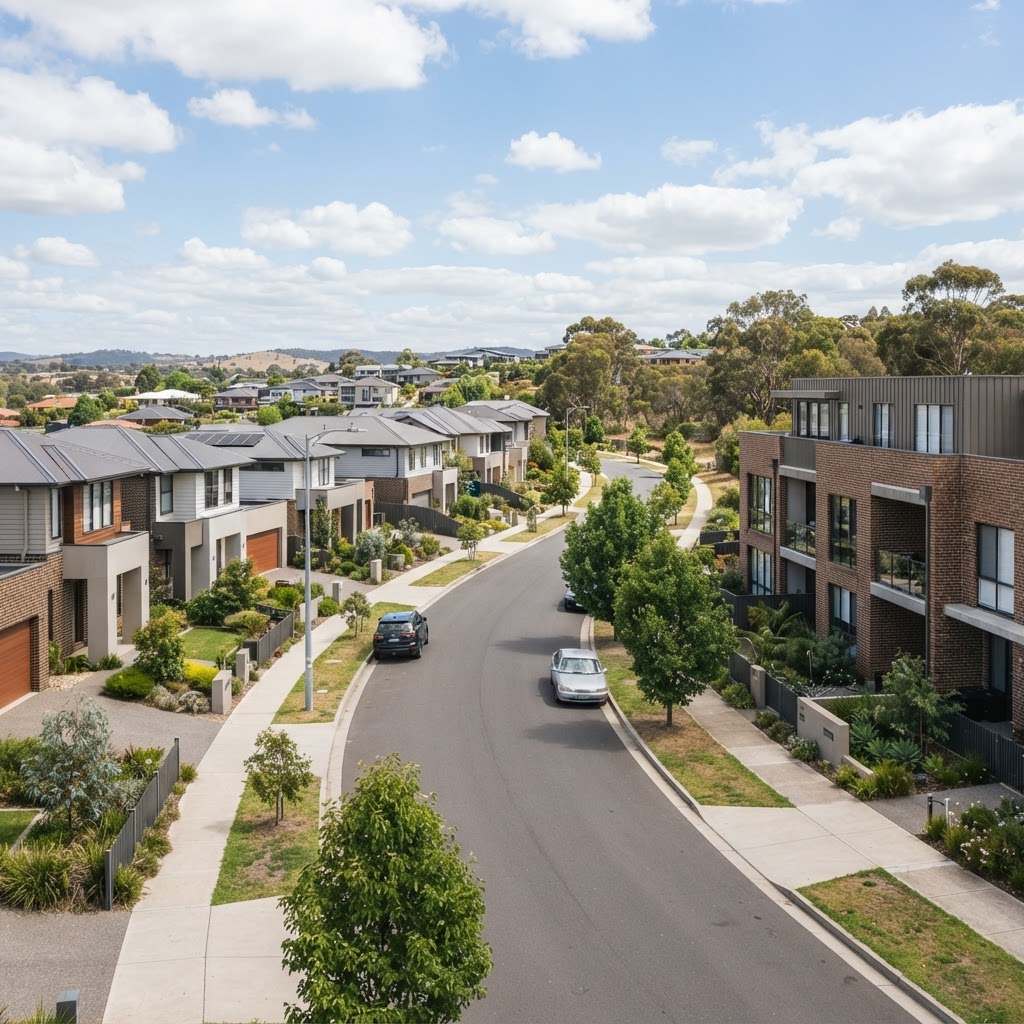
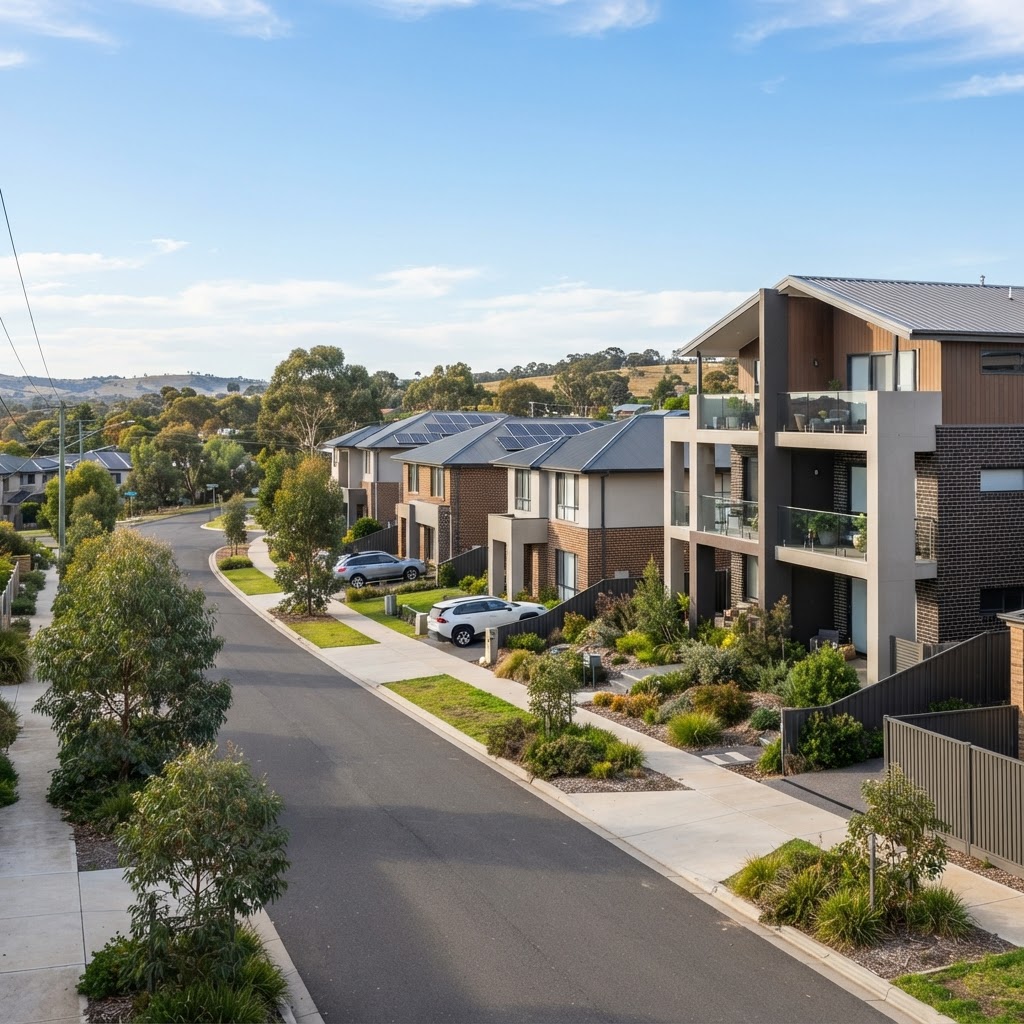
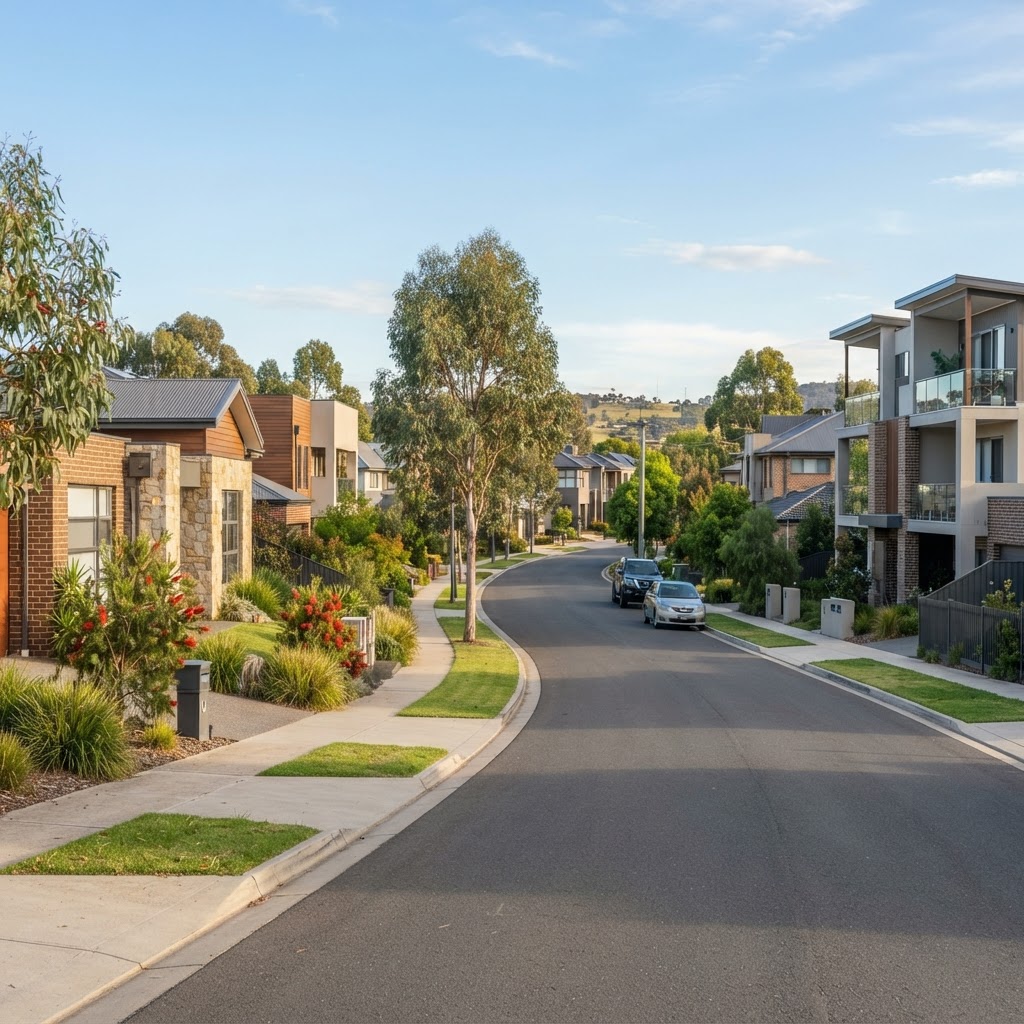
Flora Hill and Strathdale stand out as key suburbs during this period. Flora Hill, close to La Trobe University’s Bendigo campus, is popular with students and young professionals, intensifying rental demand. Meanwhile, Strathdale has attracted more families seeking affordable homes with access to local schools like Strathdale Primary School and amenities such as the Bendigo Stadium.
Local community services like the Bendigo Community Health Centre report increased enquiries related to housing stress, indicating affordability pressures on lower-income renters. The City of Greater Bendigo has also noted the need for increased affordable housing development, referencing projects tied to the Housing Victoria Affordable Housing Program outlined in the 2026 municipal report.
Landlords in these suburbs face balancing rent increases while maintaining tenancy. Many owners express concerns over potential tenant turnover and are seeking advice from property managers like Bendigo’s Harcourts Real Estate professionals on how to accommodate rising costs while keeping leases competitive.
Data and outlook: median rents, vacancy rates, and forecasts
REIV’s June 2026 Rental Market Report highlights Bendigo’s median weekly rent of $390, compared with regional Victorian median of approximately $360. This $30 differential underscores growing rental pressure in the city. Vacancy rates, critical for market fluidity, have fallen sharply over the past 12 months in Bendigo, now around 1.4%, suggesting a landlord-favoured environment but challenging for renters.
Property value growth in Bendigo, monitored by CoreLogic, shows a more modest increase of 4% year-on-year in median house prices, now near $490,000, steady but overshadowed by rental price rises. This divergence adds complexity to tenants’ capacity to keep pace with rent hikes relative to income and homeownership prospects.
The REIV warns that without new rental stock coming on stream quickly, rent escalation may persist into late 2026, with potential for some landlords to hold properties off the market to negotiate higher rents.
Next steps: navigating Bendigo’s rental market challenges
For tenants, early engagement with local realtors and renters’ support groups such as Tenants Victoria is advisable to stay informed about available properties and understand rights under Victoria’s rental laws that were updated last year, including protections against excessive rent increases.
Landlords should keep abreast of vacancy trends and consider the long-term benefits of tenant retention amid rising maintenance and interest costs. Professional advice from Bendigo-based property managers can help tailor competitive rent settings and lease terms that minimize turnover.
Meanwhile, local authorities emphasize the importance of investing in affordable housing projects to stabilize the market. Bendigo’s Housing Strategy Working Group plans to release updates by September 2026 with proposals aimed at boosting rental housing diversity and supply.
The rental market in Bendigo remains dynamic and evolving, reflective of broader shifts across Victoria’s regional centres. Stakeholders on all sides will need to adapt carefully to balance affordability with investment returns as the city grows.
This article is general information only and is not personal financial or investment advice. Consider your own circumstances and seek licensed professional advice before making financial decisions.