Property
Investor Yields in Bendigo Show Promising Returns Amid Market Shifts
Recent data reveals what property investors can expect in rental yields across Bendigo's key suburbs and what it means for future investment decisions.
3 min read
Property
Recent data reveals what property investors can expect in rental yields across Bendigo's key suburbs and what it means for future investment decisions.
3 min read
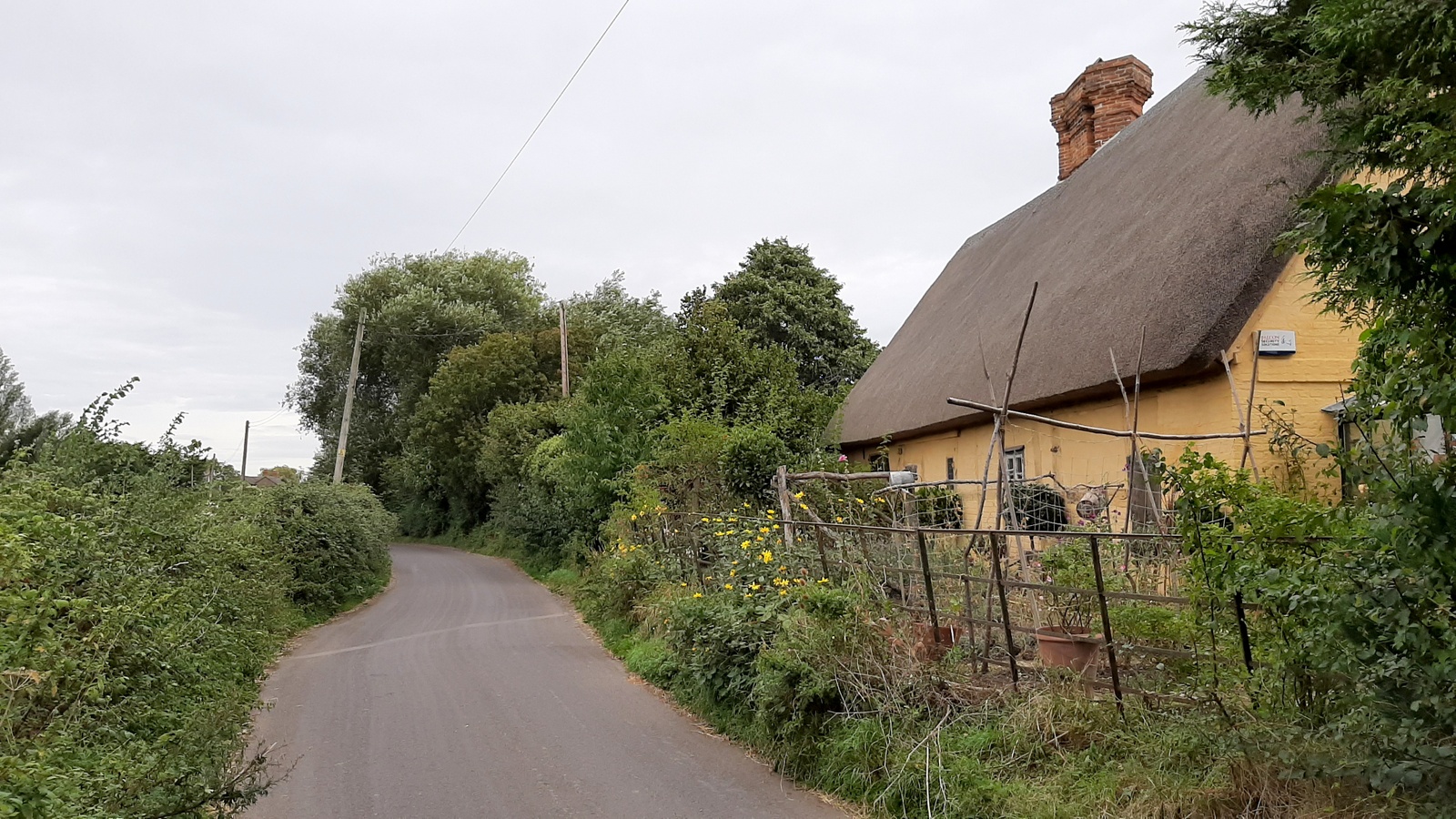
Bendigo property investors are seeing solid rental yields, with gross returns averaging around 5.1% in popular suburbs such as Flora Hill and Strathdale, according to the latest data from the Real Estate Institute of Victoria (REIV) released in June 2026.
This uptick in yields coincides with shifting dynamics in regional housing markets, where increased demand from both remote workers and Melbourne commuters is impacting rental values and occupancy rates across the city. The Bendigo region’s median house price of approximately $490,000, as reported by CoreLogic in May 2026, continues to attract investors seeking affordable alternatives to Melbourne’s high-cost market.
Flora Hill and Strathdale have emerged as standout suburbs for rental investors over the first half of 2026. Both areas benefit from proximity to Bendigo’s commercial centre and key educational institutions such as La Trobe University’s Bendigo campus. The increased presence of students and local professionals drives robust demand for rental accommodation.
The City of Greater Bendigo’s recent support for infrastructure upgrades on Napier Street and Bridge Street enhances accessibility, drawing more residents to these neighbourhoods. Furthermore, Bendigo Health’s expansion plans announced earlier this year promise to stimulate long-term employment growth, reinforcing rental demand in adjacent suburbs.
According to the REIV’s June 2026 Rental Report, the median weekly rent for a three-bedroom house in Flora Hill sits at $370, while in Strathdale it reaches $355. When contrasted with the median dwelling prices, these rents translate to gross rental yields of 5.2% and 5.0% respectively. These figures exceed Melbourne’s corresponding yields, which average closer to 3.5%, underscoring Bendigo’s appeal for cash flow-focused investors.
Vacancy rates across Bendigo dipped marginally from 2.8% in March to 2.4% in June, per the Department of Environment, Land, Water and Planning (DELWP) Rental Report. Lower vacancy rates typically support rental price stability or growth, strengthening the investment case for local properties.
For investors evaluating Bendigo’s rental market, current data suggests opportunities remain attractive, particularly in well-connected suburbs near employment and education hubs. However, experts advise monitoring changes to auction regulations recently introduced by the REIV, which may influence buyer competition and price growth.
Property owners should also factor in the increasing importance of energy efficiency and amenity upgrades in attracting tenants, especially in older stock common in Bendigo’s established suburbs. Engagement with local real estate agents familiar with Bendigo’s micro-markets and city planning updates will be key to identifying quality investments with sustainable yields.
As Bendigo continues to balance growth with affordability, investor returns backed by strong rental demand offer a compelling narrative for the remainder of 2026. Those looking to enter the market can benefit from thorough due diligence combined with attention to suburb-specific trends and infrastructure projects shaping long-term value.
This article is general information only and is not personal financial or investment advice. Consider your own circumstances and seek licensed professional advice before making financial decisions.
Property
Property
Property
Property
Property
Property
About this articleBeta
Published by The Daily Bendigo
Spread the word
Daily brief
Free, in your inbox before 7am. Weekdays.
The Daily Network — local news across Australia