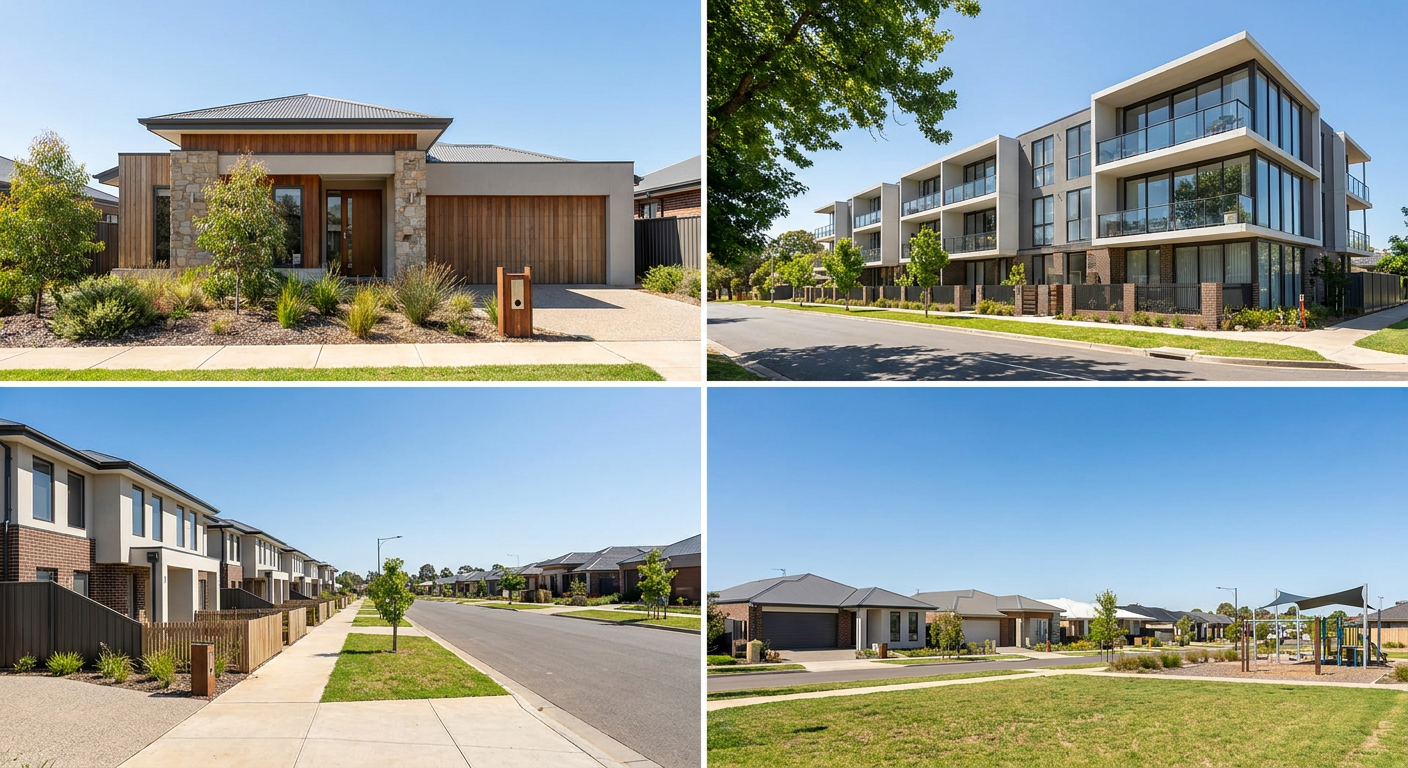
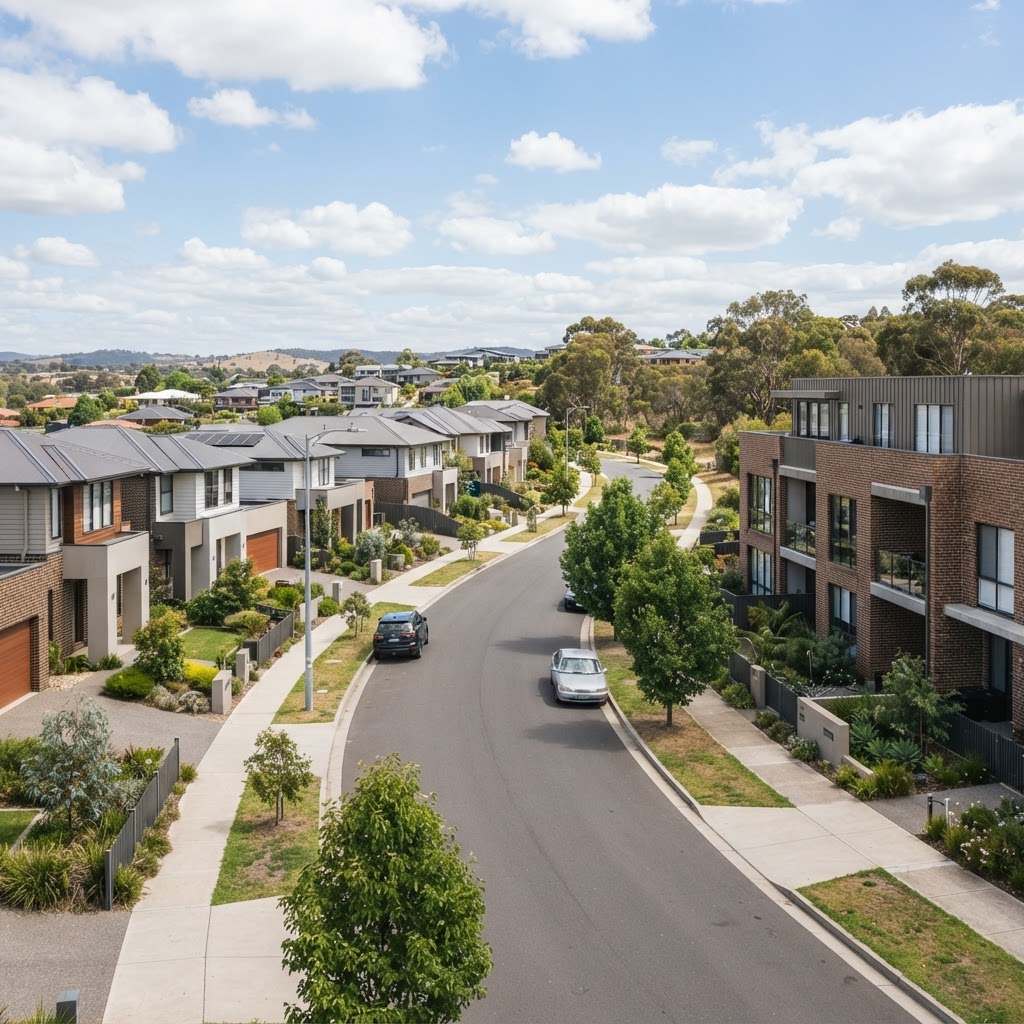
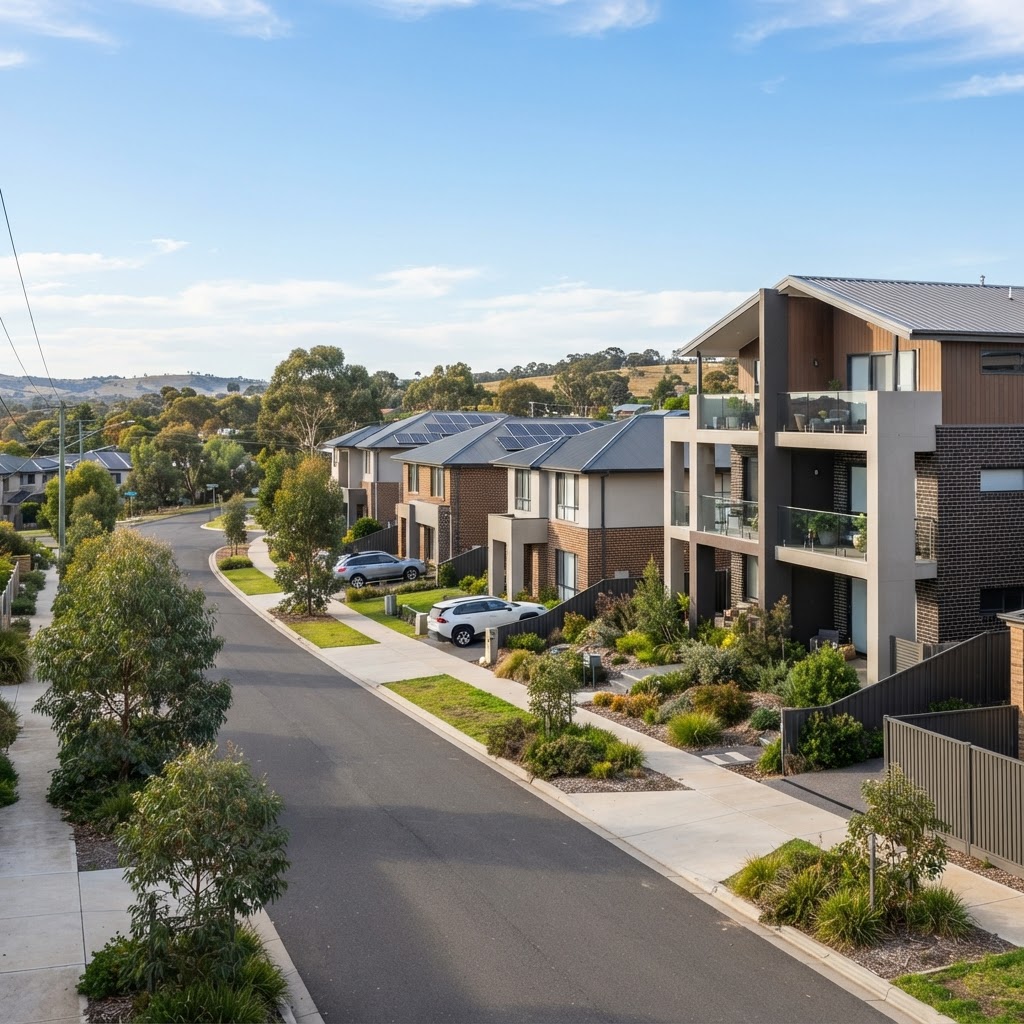
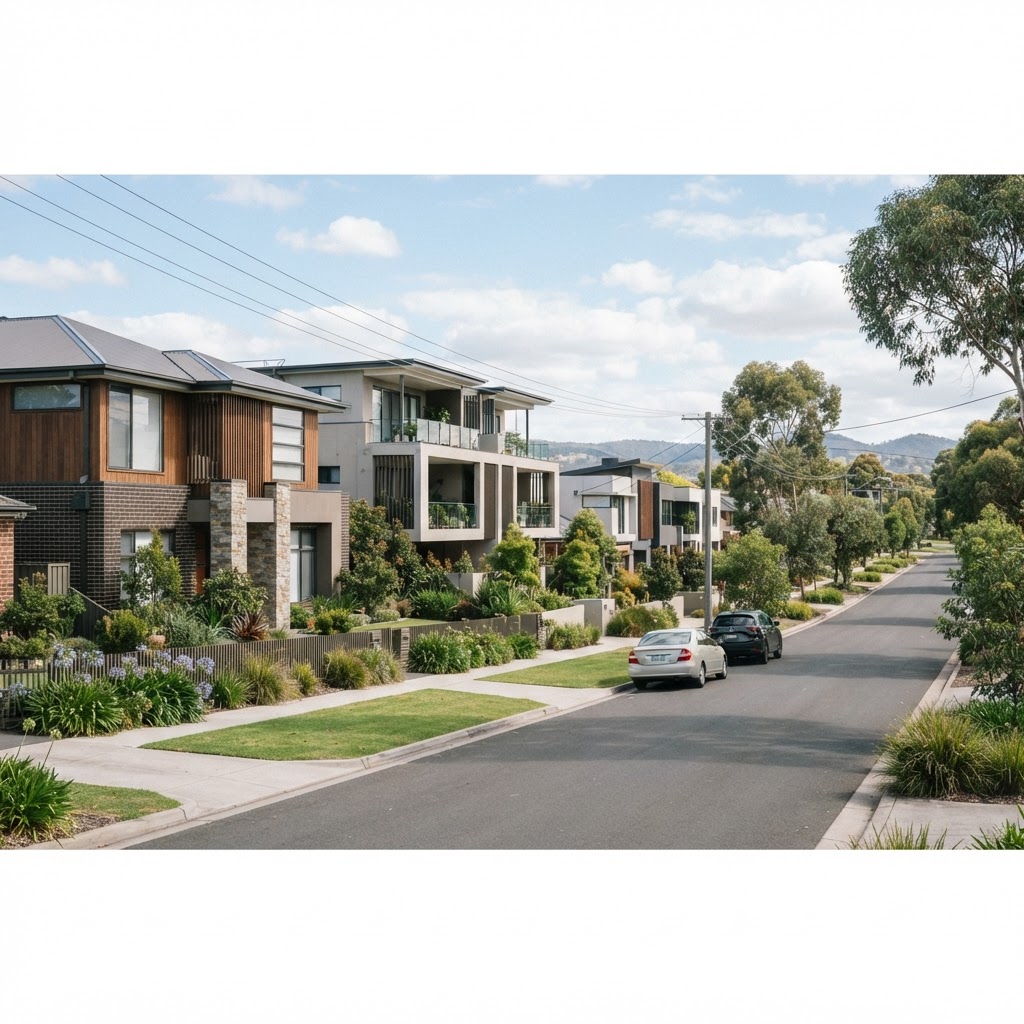
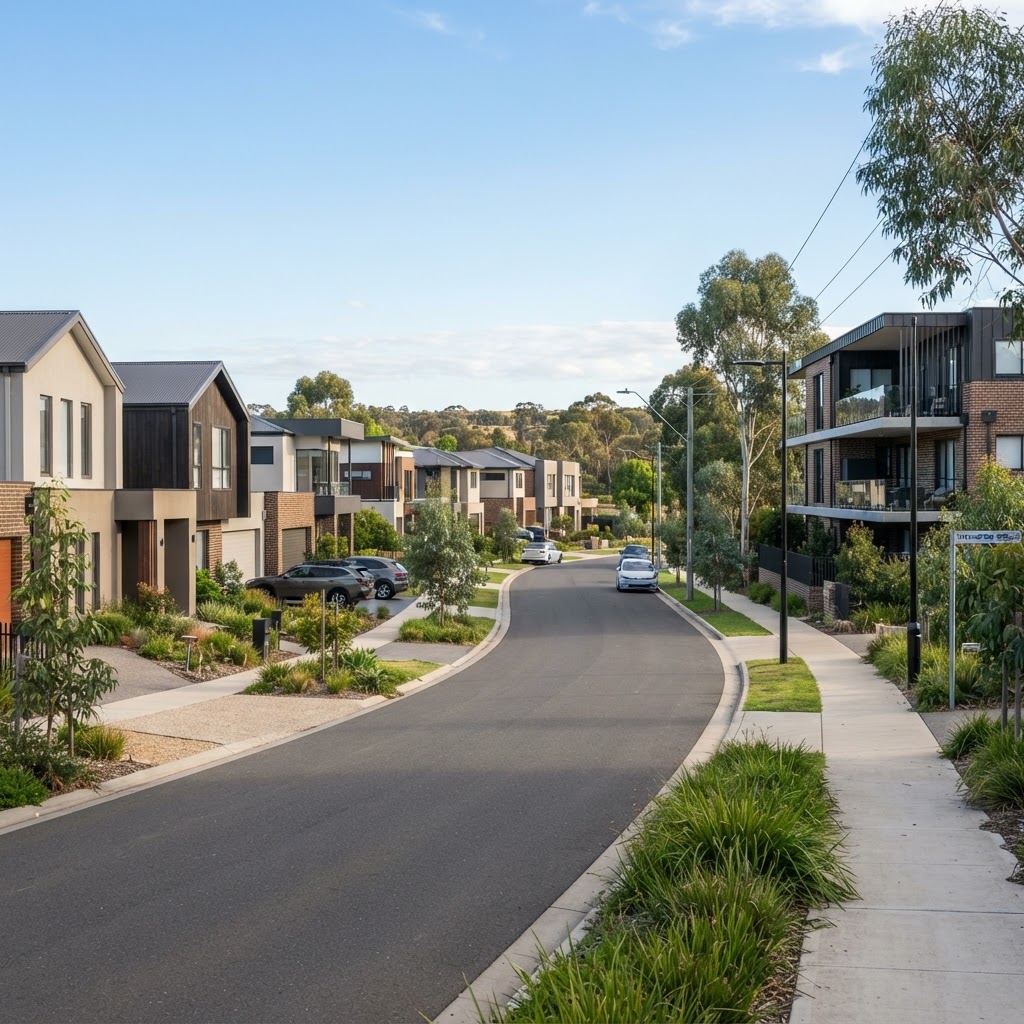
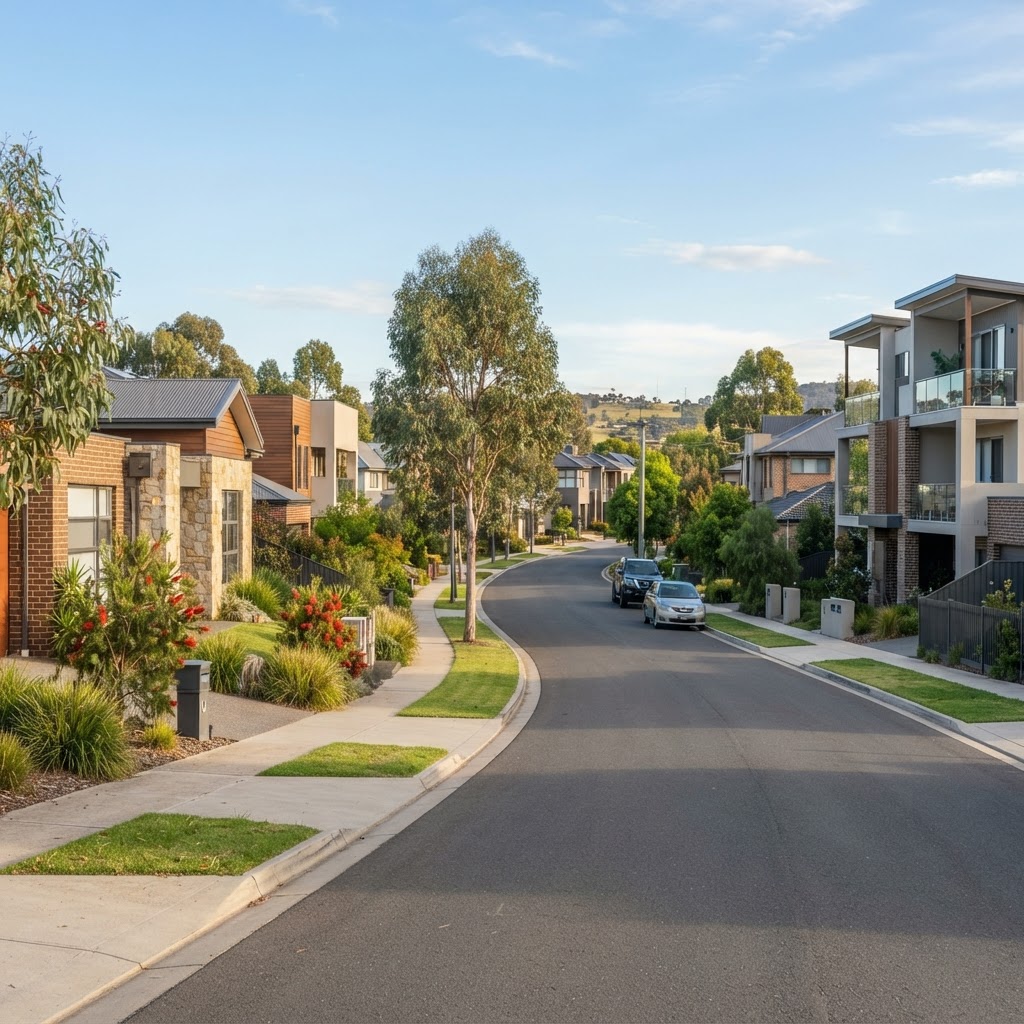
More than half of Bendigo's rental households are spending beyond the point economists consider sustainable. The 30% rule, the long-standing benchmark that says no more than three-tenths of gross household income should go to housing costs, was designed as a guardrail. For a growing number of renters in suburbs like Strathdale and Flora Hill, it reads more like a distant memory.
The timing matters. Melbourne's auction clearance rates dropped sharply at the start of winter 2026, pricing pressure is pushing more prospective buyers to sit on their hands, and the cohort caught in the middle, people earning too much for public housing and too little to borrow confidently, is expanding. Bendigo, with a Victorian median house price sitting around $490,000, is close enough to affordable to feel tantalising and far enough away from cheap to cause genuine hardship.
What the Numbers Actually Mean on a Bendigo Street
Run the arithmetic on a modest wage and the rule quickly becomes uncomfortable. A full-time worker on Victoria's median individual income of roughly $67,000 a year takes home around $4,600 a month after tax. The 30% ceiling on that figure is $1,380 a month, or about $318 a week. Three-bedroom houses in Strathdale, one of Bendigo's more sought-after residential pockets near Bendigo Senior Secondary College, were regularly listing at $400 to $450 a week by mid-2026. That single worker is already over the line before they've bought a coffee on View Street.
Couple households fare better in raw arithmetic but face their own bind. Two incomes might comfortably clear the 30% threshold in rent, yet the same dual income is then used to calculate borrowing capacity, and with variable mortgage rates still elevated compared to the lows of 2021, the gap between renting and buying has not compressed as much as many prospective buyers hoped. The City of Greater Bendigo recorded population growth driven partly by remote workers and Melbourne commuters choosing the region for its relative affordability, but that inflow has applied upward pressure to rents across Flora Hill and Kangaroo Flat.
The threshold itself has critics. The National Housing Finance and Investment Corporation has previously noted that the 30% rule is a blunt instrument, because a household earning $120,000 a year can absorb 35% on housing and still live comfortably, while a household on $45,000 paying 25% may still be in genuine stress. Bendigo Community Health Services, which operates across the region and sees the downstream effects of housing insecurity, is one local organisation that understands the gap between the rule and lived experience.
Buying Isn't an Automatic Escape
Switching from renter to buyer doesn't automatically mean clearing the 30% hurdle. On a $490,000 purchase with a 10% deposit and a principal-and-interest loan at a rate around 6.1%, monthly repayments sit close to $2,650, consuming roughly 58% of that same median individual's take-home pay. The maths improve sharply with a larger deposit or a second income, which is partly why the Watsonia auction result, a couple selling for $916,000 to fund a new chapter, resonated: equity does the work that wages alone cannot.
For first-home buyers in Bendigo, the Victorian Homebuyer Fund and the federal Help to Buy scheme represent the most direct levers available in mid-2026. The Homebuyer Fund allows the state government to co-purchase up to 25% of a property, reducing the deposit required and shrinking the loan, and therefore the repayment, to something closer to the 30% zone. The Bendigo Bank, headquartered on Pall Mall, also runs products specifically structured for regional buyers, and the First Home Guarantee continues to allow eligible buyers to enter with a 5% deposit without paying lenders mortgage insurance.
The practical advice for any Bendigo household sitting on the renter-buyer fence in July 2026 is simple, if not easy: map your actual number against the 30% ceiling, then stress-test it at 33% to allow for rate movement or a lost shift. If renting clears that test and buying does not, yet, the calculus may favour patience, a growing deposit, and watching what Melbourne's weakening auction season does to regional confidence and prices through the second half of the year.
This article is general information only and is not personal financial or investment advice. Consider your own circumstances and seek licensed professional advice before making financial decisions.