Property
How Much Rent Is Too Much? The 30% Rule in Practice
As Bendigo rents climb and wages lag behind, the long-standing threshold that defines housing stress is being tested street by street across the city.
4 min read
Updated 11 h ago
Property
As Bendigo rents climb and wages lag behind, the long-standing threshold that defines housing stress is being tested street by street across the city.
4 min read
Updated 11 h ago
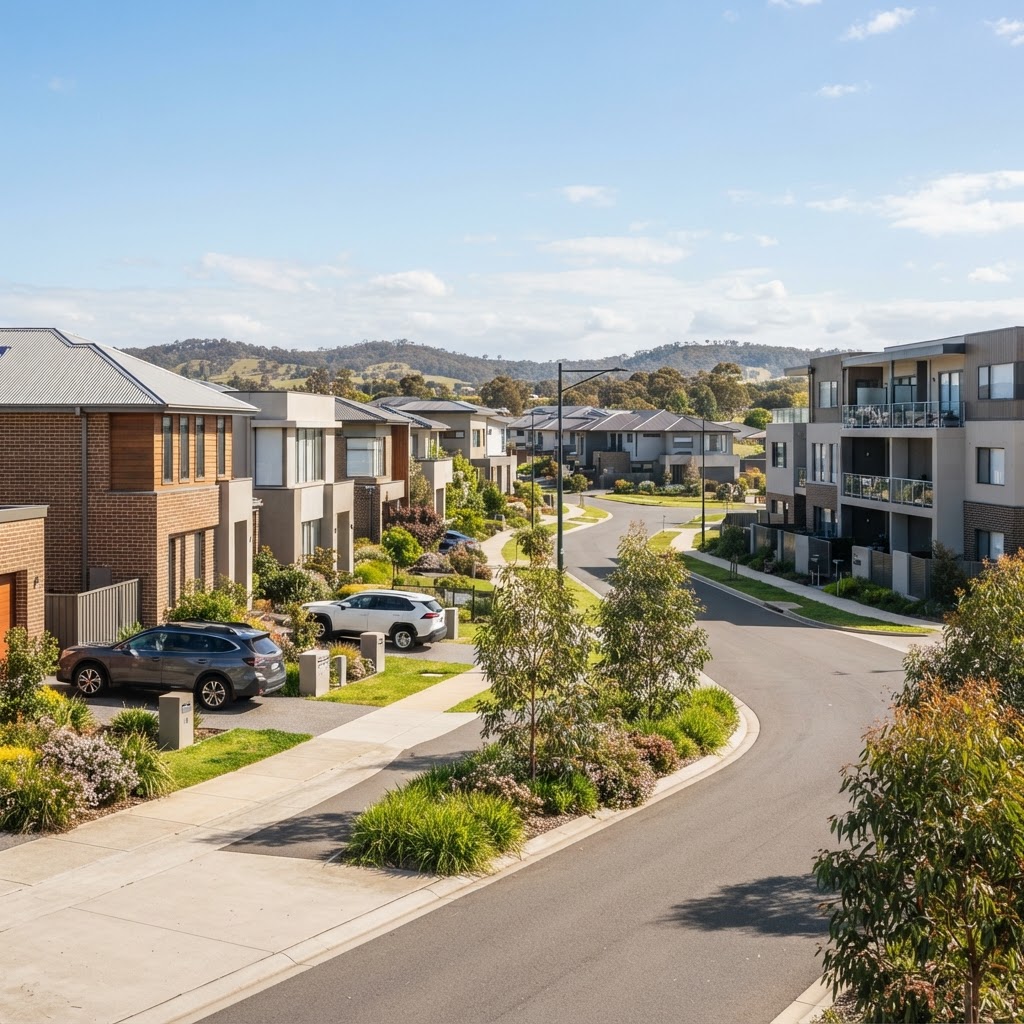
Renting in Bendigo has become a numbers problem with no easy answer. The conventional benchmark, that households should spend no more than 30 percent of their gross income on housing, was designed to protect families from financial strain. Right now, for a growing share of renters in suburbs like Flora Hill and White Hills, that line has already been crossed.
Victoria's median house price sits at approximately $490,000, according to recent market tracking, and Bendigo broadly tracks below that figure, a fact that still draws Melbourne commuters and remote workers north along the Calder Freeway. But lower purchase prices have not translated into breathing room in the rental market. Tight vacancy rates across the city mean landlords have held firm on asking rents, while wage growth has struggled to keep pace with living costs that spiked sharply between 2022 and 2024.
The 30 percent rule is not legislation. It is a planning and welfare benchmark, used by organisations including the Australian Institute of Health and Welfare to define housing stress. Cross that threshold and you are, by that definition, stressed, meaning discretionary spending on food, transport, healthcare and savings all absorb the shortfall.
Take a two-bedroom rental in Strathdale, one of Bendigo's most consistently sought-after suburbs for families and downsizers. Current asking rents in that pocket range from roughly $380 to $430 per week. A household earning the Victorian median individual income, around $67,000 gross per year, takes home approximately $1,050 per week after tax. At $400 per week in rent, that household is spending 38 percent of its net income on housing, already well beyond the 30 percent threshold. A couple both earning close to median wages changes the picture significantly, which partly explains why single-income renters and those on fixed payments face the sharpest squeeze.
On View Street near the Bendigo CBD, or along the leafier stretches of MacKenzie Street, rental stock rarely sits vacant for long. Community housing providers operating in the region, including Loddon Campaspe Housing Services, have reported persistent demand for affordable and social housing placements. Waiting lists for assisted housing in Bendigo have stretched well beyond 12 months in recent years, a pressure point that sits upstream of the private rental market's own affordability crunch.
Some renters are doing the arithmetic and concluding that buying, counterintuitively, could cost them less per month than continuing to rent. A property purchased at $480,000 with a 10 percent deposit, financed at current variable mortgage rates hovering near 6.2 percent, would carry monthly repayments of roughly $2,600, comparable to, or only modestly above, renting a similar property. The difference, of course, is the $48,000 deposit, which remains the immovable obstacle for renters already spending above 30 percent of their income on housing.
The Victorian Homebuyer Fund, a shared equity scheme administered by the state government, allows eligible buyers to purchase with a deposit as low as 5 percent, with the state taking an equity share in the property. For Bendigo buyers, where purchase prices are lower than metropolitan Melbourne, the scheme's $950,000 price cap leaves substantial headroom. Whether a given renter qualifies depends on income thresholds and prior property ownership history, details worth checking directly with the State Revenue Office of Victoria or a mortgage broker familiar with the regional market.
The practical upshot for anyone renting in Bendigo right now is straightforward: calculate your actual rent-to-income ratio before assuming the market is treating you fairly. If that number sits above 30 percent of gross income, you are in housing stress by every established measure, regardless of how the suburb looks on a listing portal. Speak to a financial counsellor, the Bendigo Financial Counselling Service operates locally, before deciding whether to keep renting, push toward a purchase, or apply for housing assistance. The 30 percent rule has been around since the 1980s for good reason. It is not an arbitrary line.
This article is general information only and is not personal financial or investment advice. Consider your own circumstances and seek licensed professional advice before making financial decisions.
Property
Property
Property
Property
Property
Property
About this articleBeta
Published by The Daily Bendigo
Spread the word
Daily brief
Free, in your inbox before 7am. Weekdays.
The Daily Network — local news across Australia