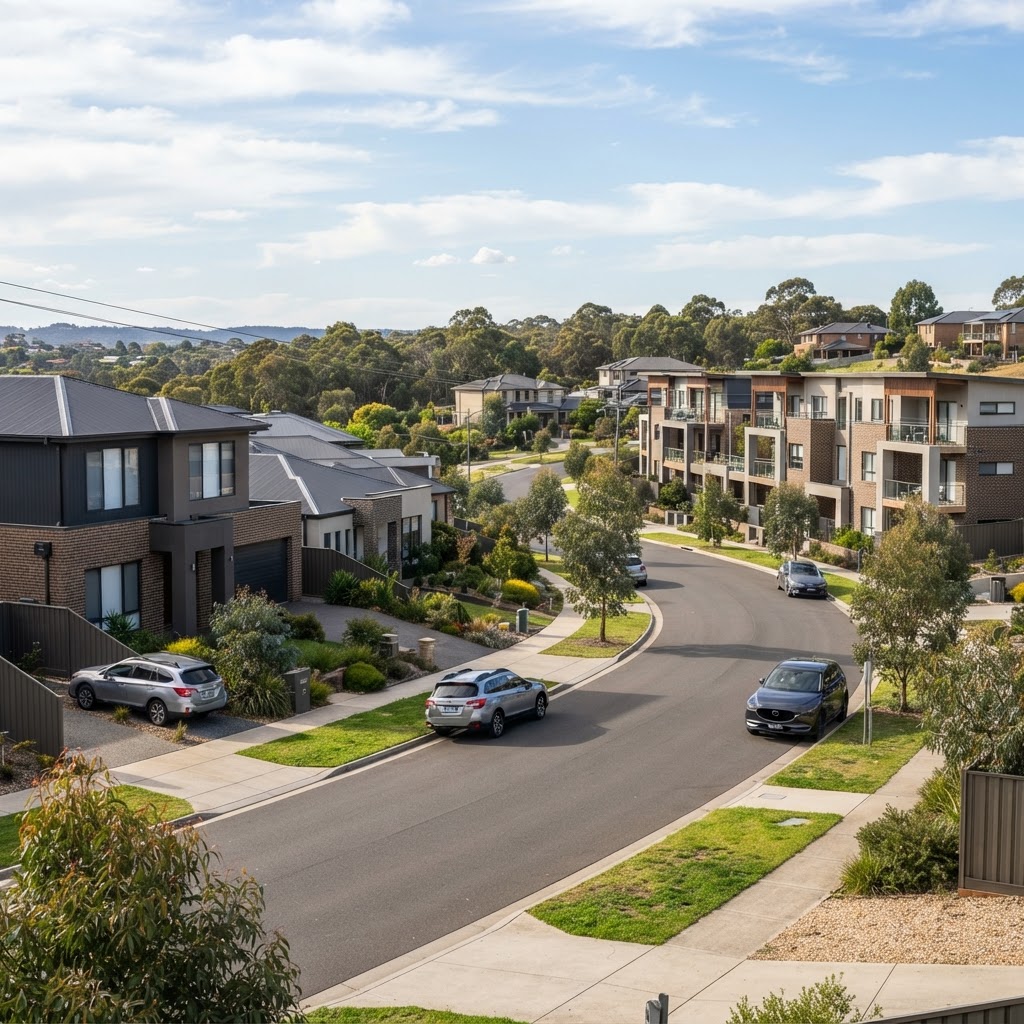
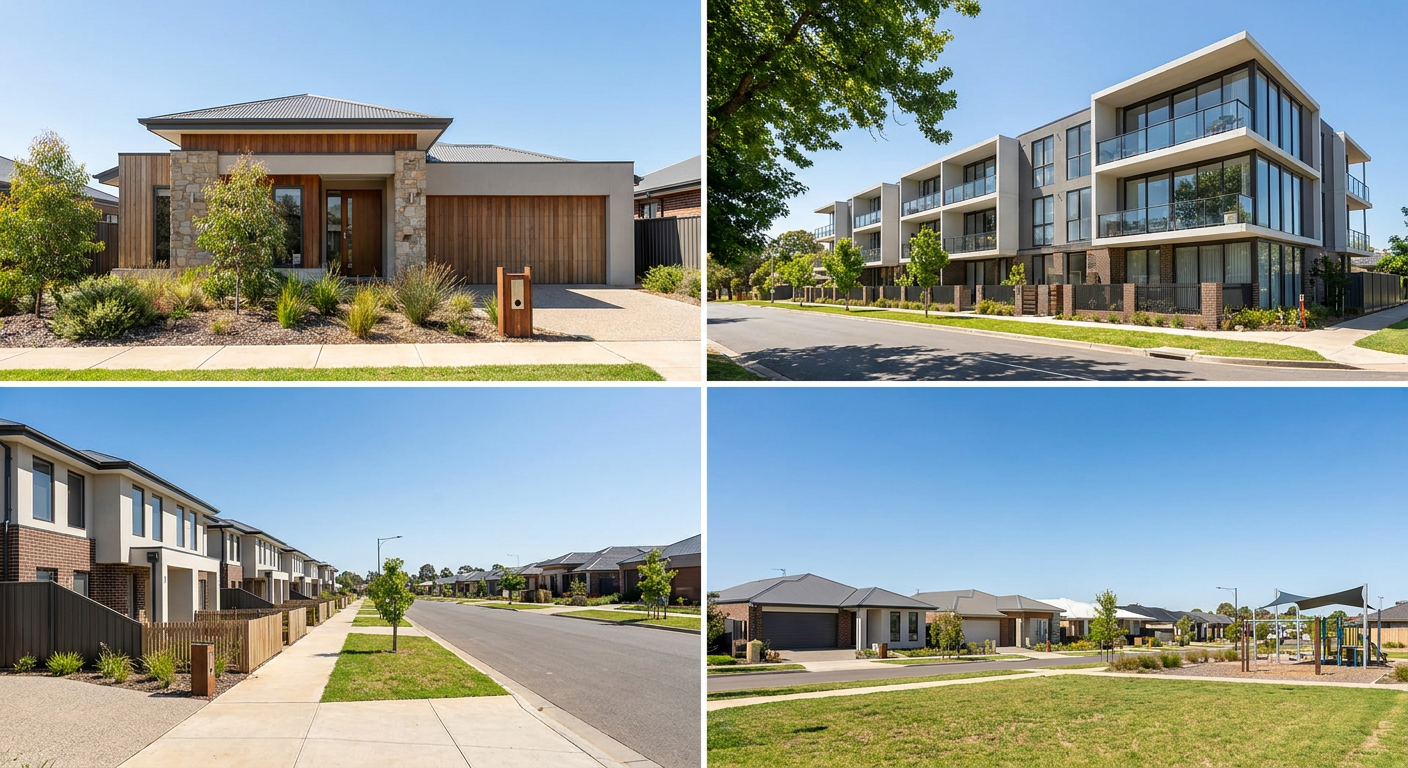
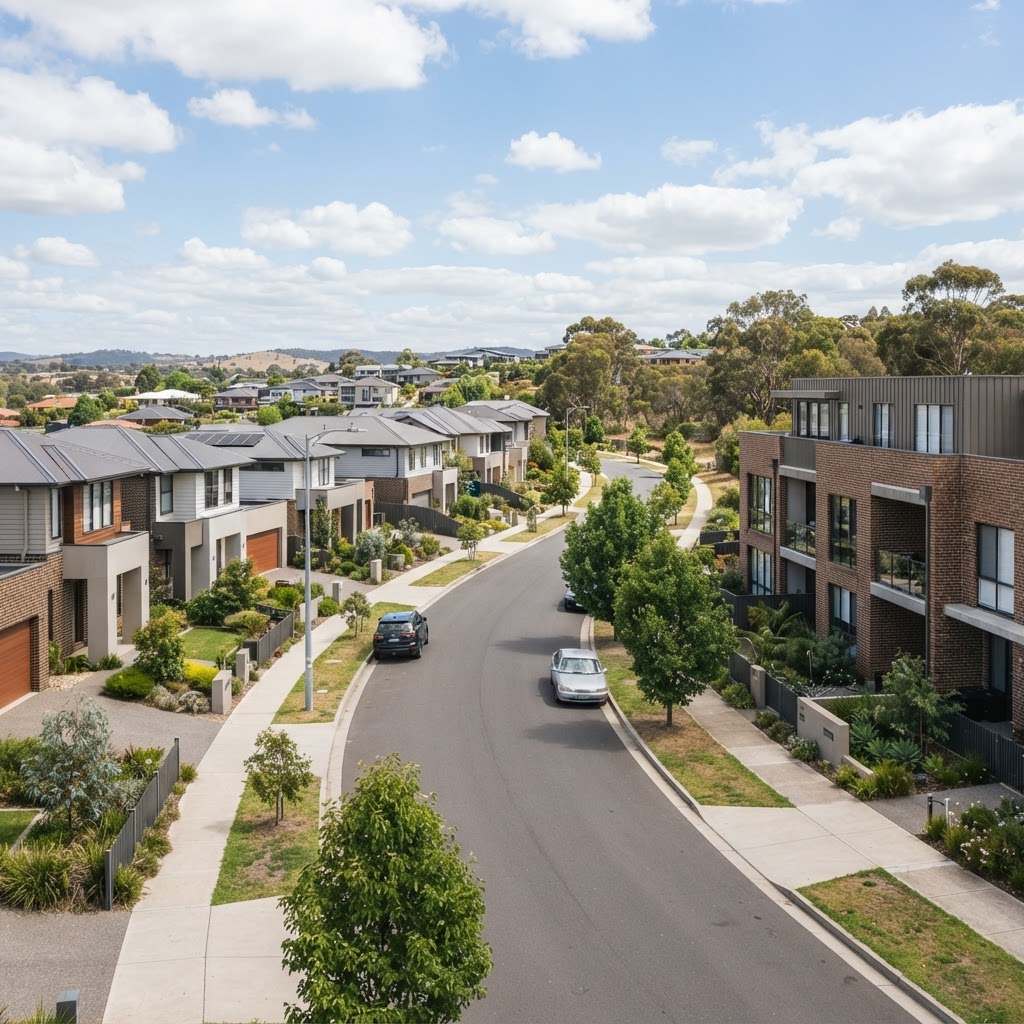
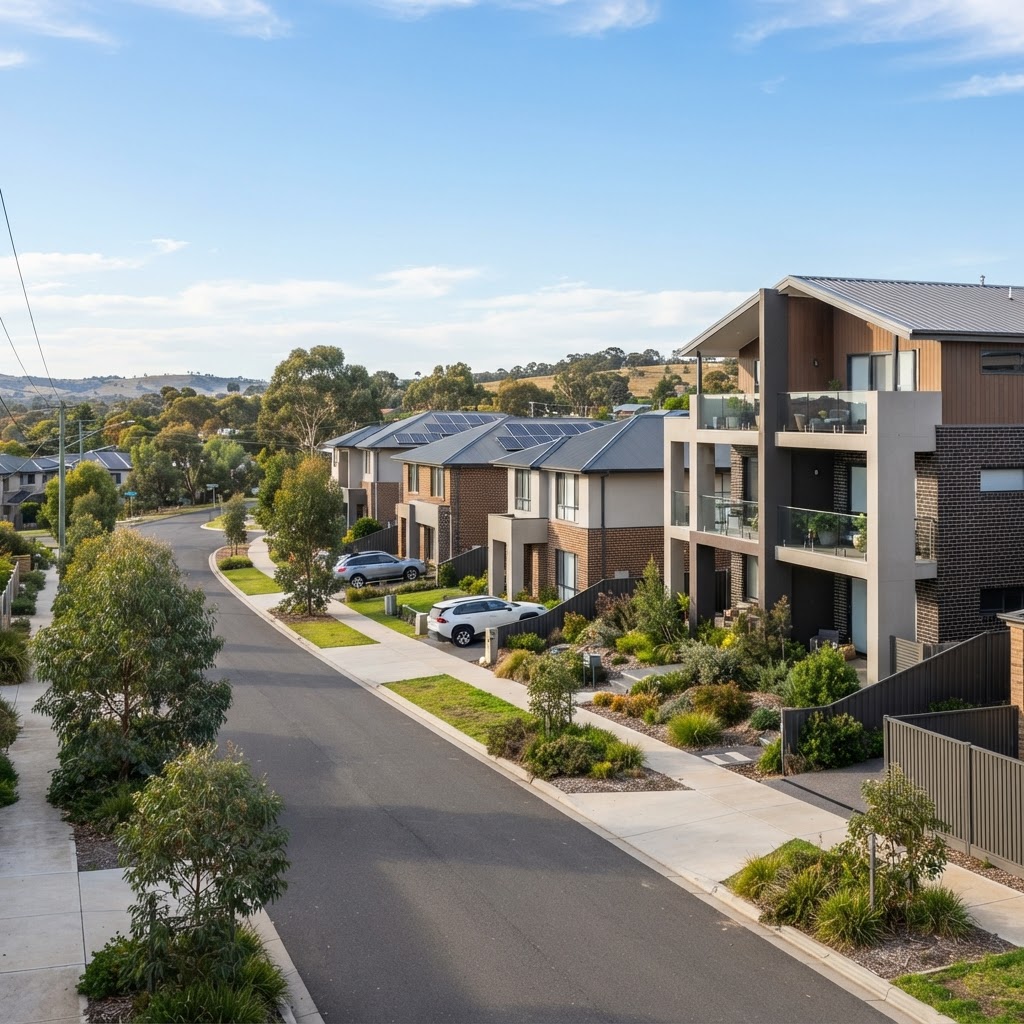
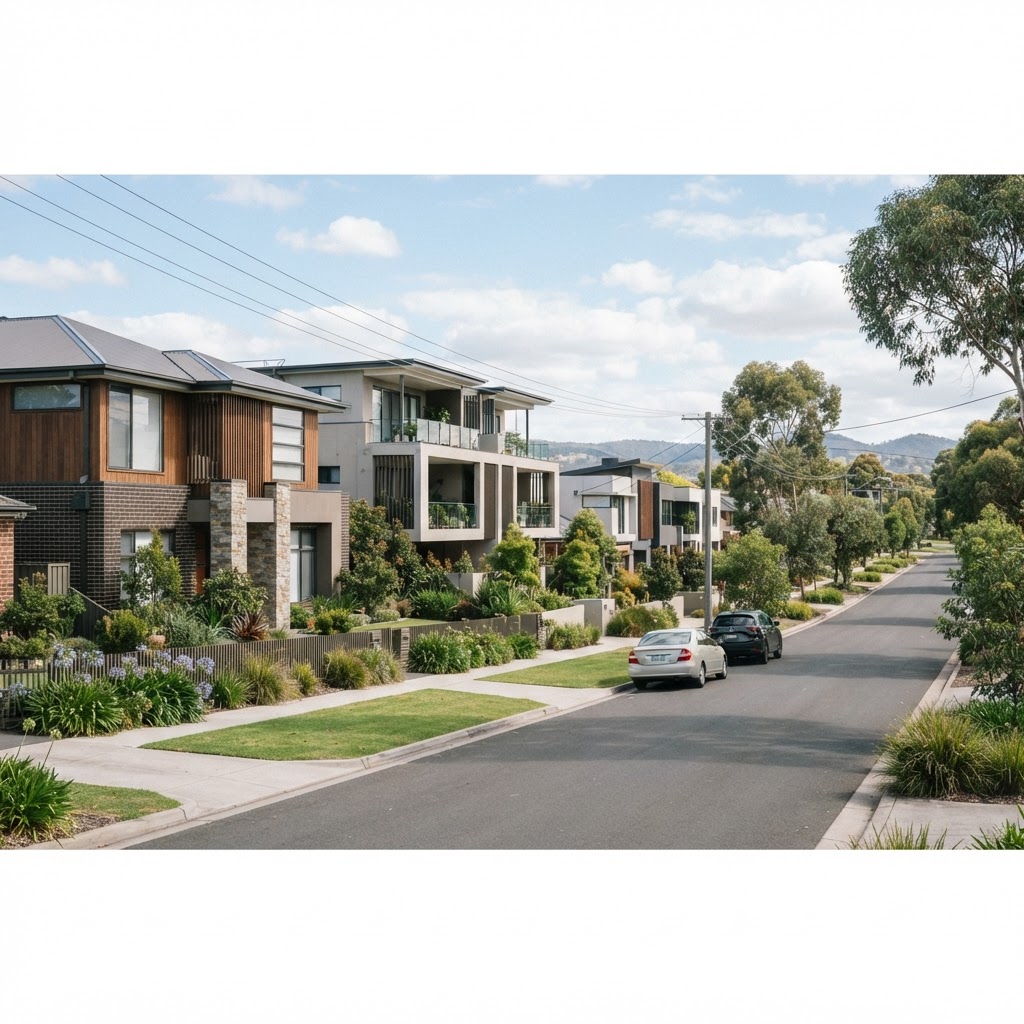
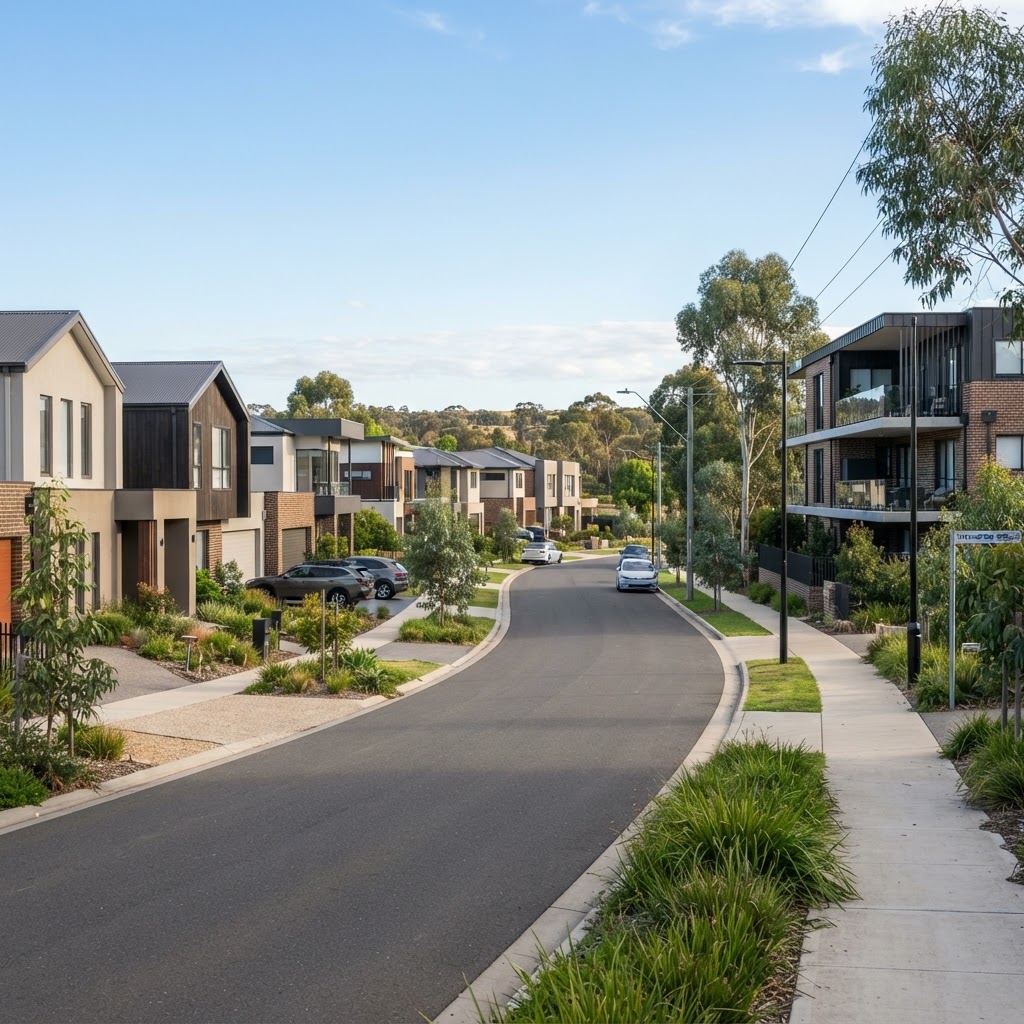
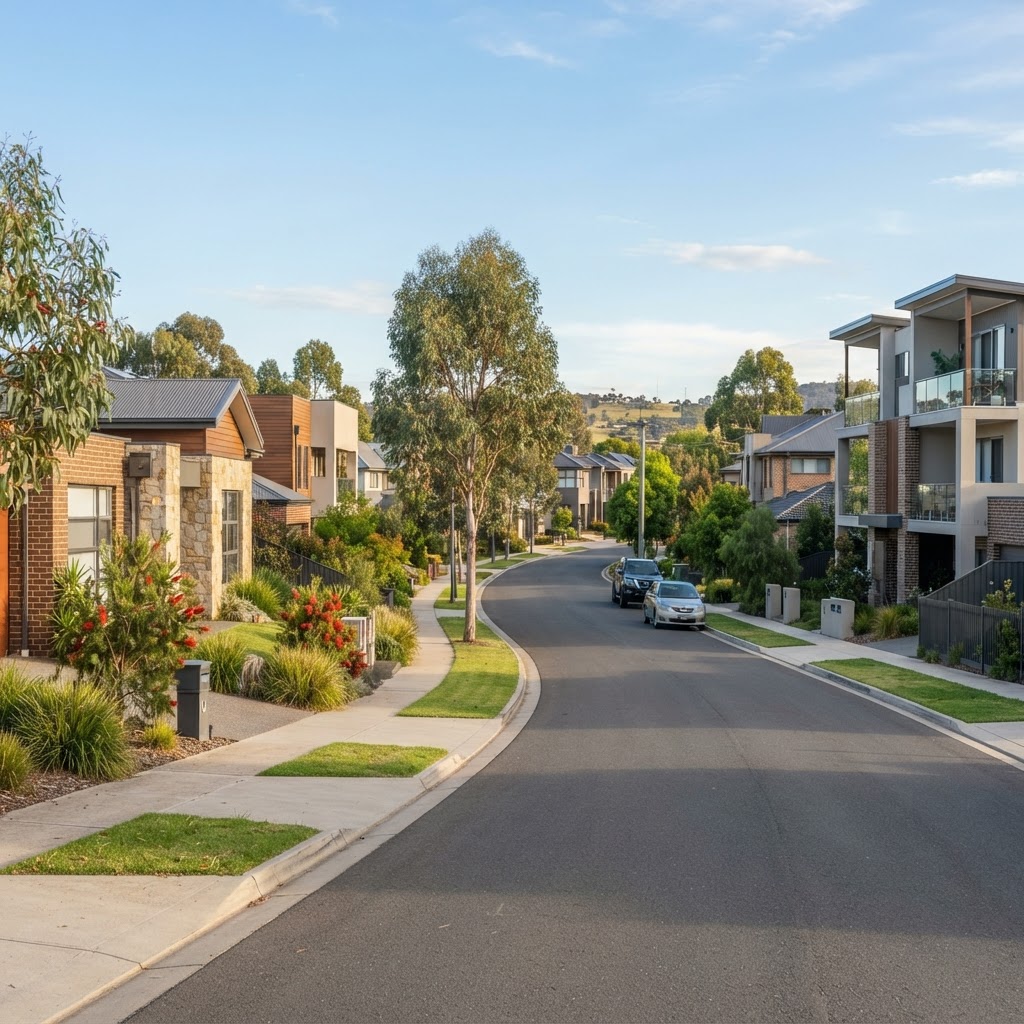
The numbers are blunt. Buying a family home in Flora Hill or Strathdale right now will set you back somewhere in the low-to-mid $500,000s, a figure that has pushed a growing number of local renters, particularly younger ones, toward an approach that flips the traditional property script: rent where you live, buy somewhere cheaper, and let tenants cover the mortgage.
It is called rent-vesting, and in mid-2026, with Melbourne's auction market recording its weakest winter opening in recent memory and regional Victoria still offering relative value, the strategy has genuine traction in Bendigo's property conversation. Gen Z buyers, in particular, are not abandoning the dream of ownership, they are rerouting around it.
Why Bendigo sits at an interesting crossroads
Bendigo is simultaneously a destination and a departure point in this calculation. Remote workers who relocated from Melbourne during and after the pandemic years now make up a meaningful slice of the local renter pool. Many arrived with savings but without the local roots that push people toward immediate purchase. They are comfortable renting on View Street or near the Bendigo Marketplace on Mitchell Street while they assess the market, and some are quietly buying investment properties elsewhere while they do it.
The city's arts and cultural identity, anchored by institutions like the Bendigo Art Gallery on View Street and the Capital Theatre on Gaol Road, has also driven population growth that keeps rental demand reasonably stable. That matters for anyone considering Bendigo itself as the investment end of a rent-vesting arrangement. Vacancy rates in well-located Bendigo suburbs have remained tight enough that landlords with well-maintained stock have not struggled to find tenants.
With Victoria's median dwelling price hovering around $490,000 according to recent market tracking, entry-level Bendigo properties, particularly two-bedroom units in suburbs like Kangaroo Flat, can come in under $380,000, giving an investor a more manageable deposit hurdle than almost anything comparable in metropolitan Melbourne.
The strategy is not without its complications
Rent-vesting carries real risk and genuine costs that do not always appear in the weekend colour supplements. An investor who rents their own home gets no principal place of residence exemption on capital gains tax when they eventually sell the investment property. Land tax can also apply. Anyone seriously considering the approach in Bendigo should be working through the numbers with an accountant before signing anything, ideally one familiar with Victorian property rules, such as those operating through the Bendigo business district on Pall Mall or nearby.
There is also the psychological weight of not owning the roof over your head, something that sits uneasily with many buyers even when the spreadsheet suggests rent-vesting wins. Landlords can sell. Leases expire. The freedom of the strategy has a ceiling.
For those who can manage both the financial structure and the uncertainty, the pathway is practical. Start with a realistic deposit, most lenders want at least ten percent, ideally twenty to avoid lenders mortgage insurance, identify an investment property with genuine rental demand, stress-test the repayments against a rate rise of at least one percentage point, and get clear on the tax position from day one.
Bendigo's property market in mid-2026 is not a gold rush, but it is not closed either. For buyers priced out of their preferred suburb or unwilling to compromise on lifestyle, rent-vesting offers a way to start building equity now rather than waiting for the perfect conditions that rarely arrive on schedule.
This article is general information only and is not personal financial or investment advice. Consider your own circumstances and seek licensed professional advice before making financial decisions.