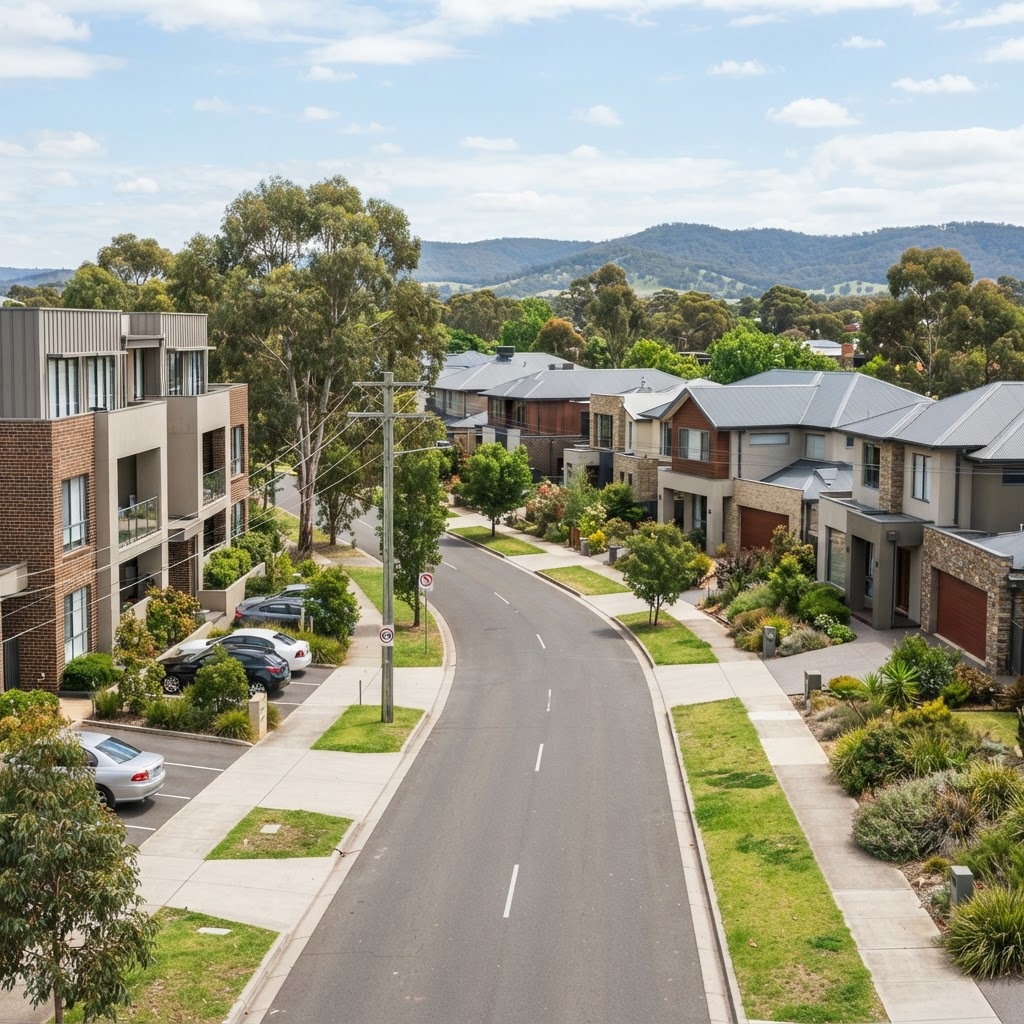
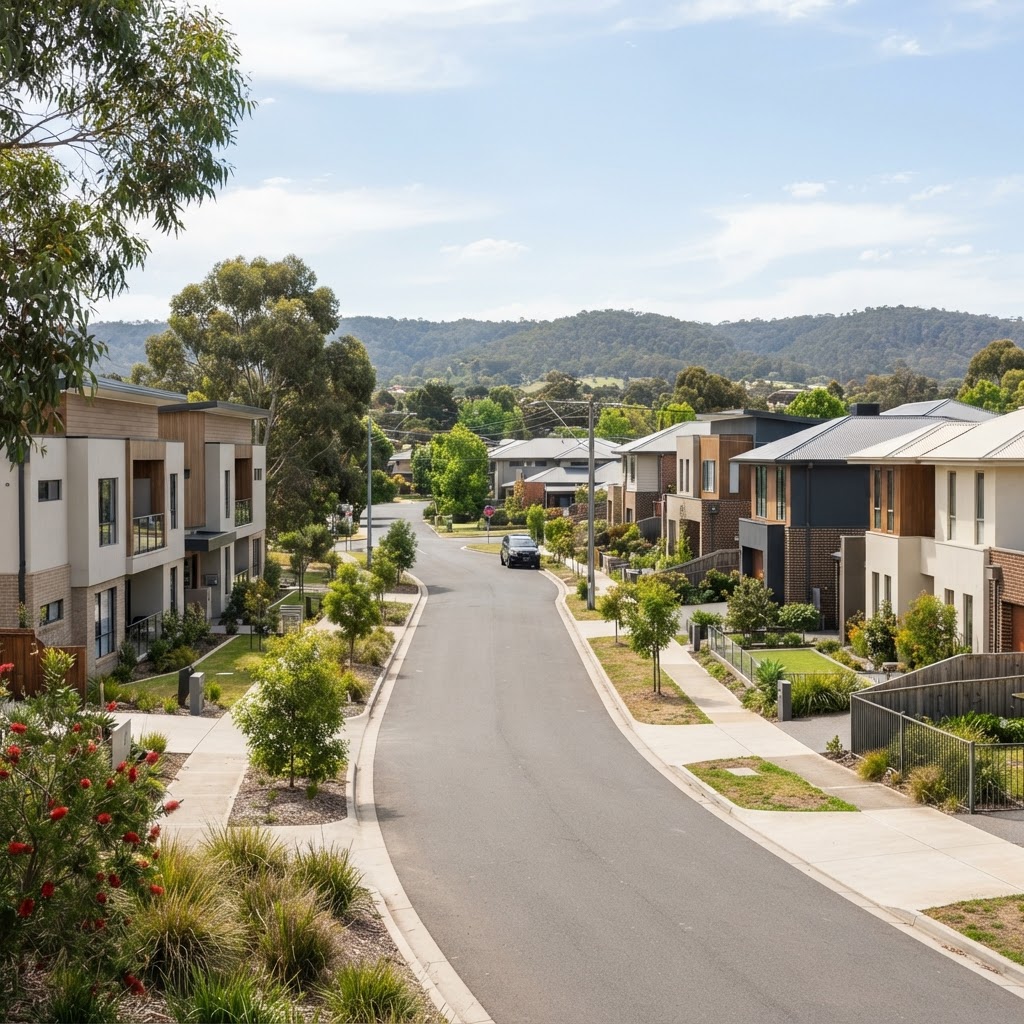
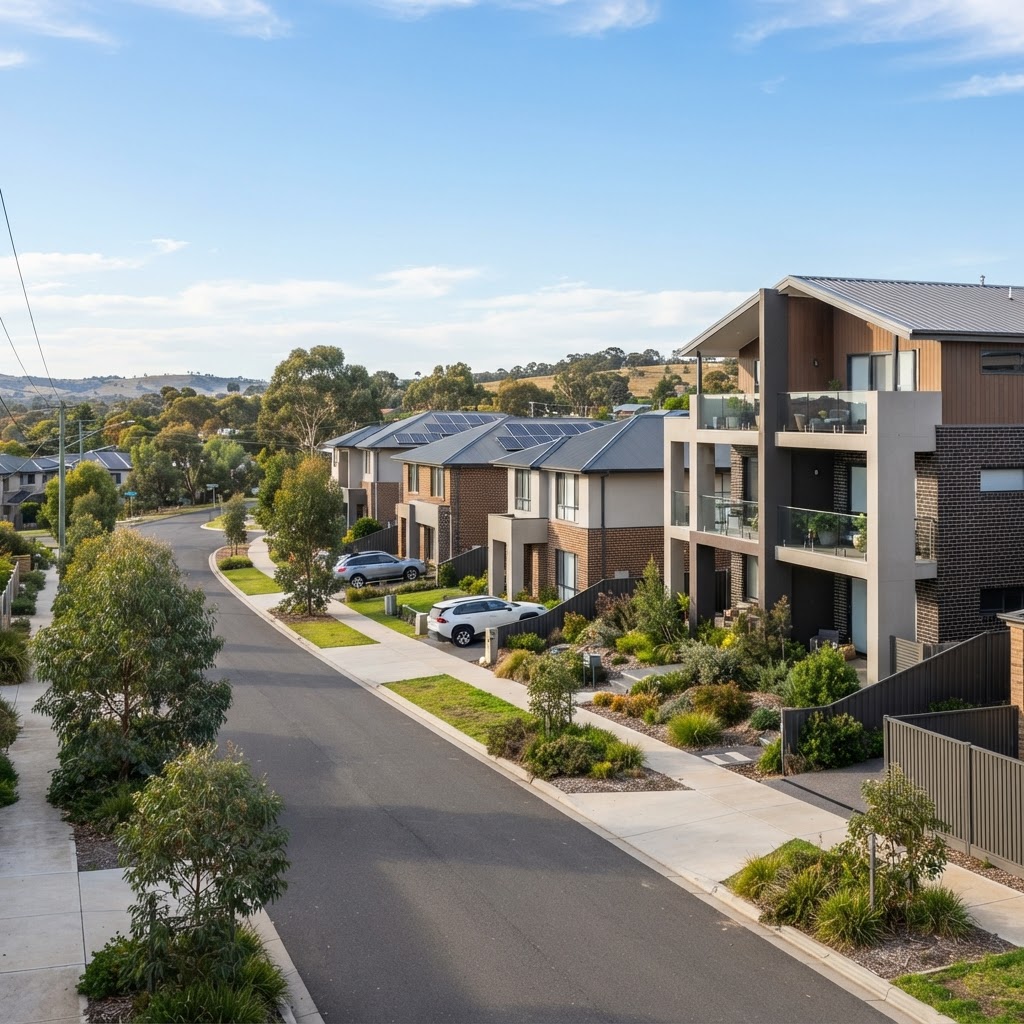
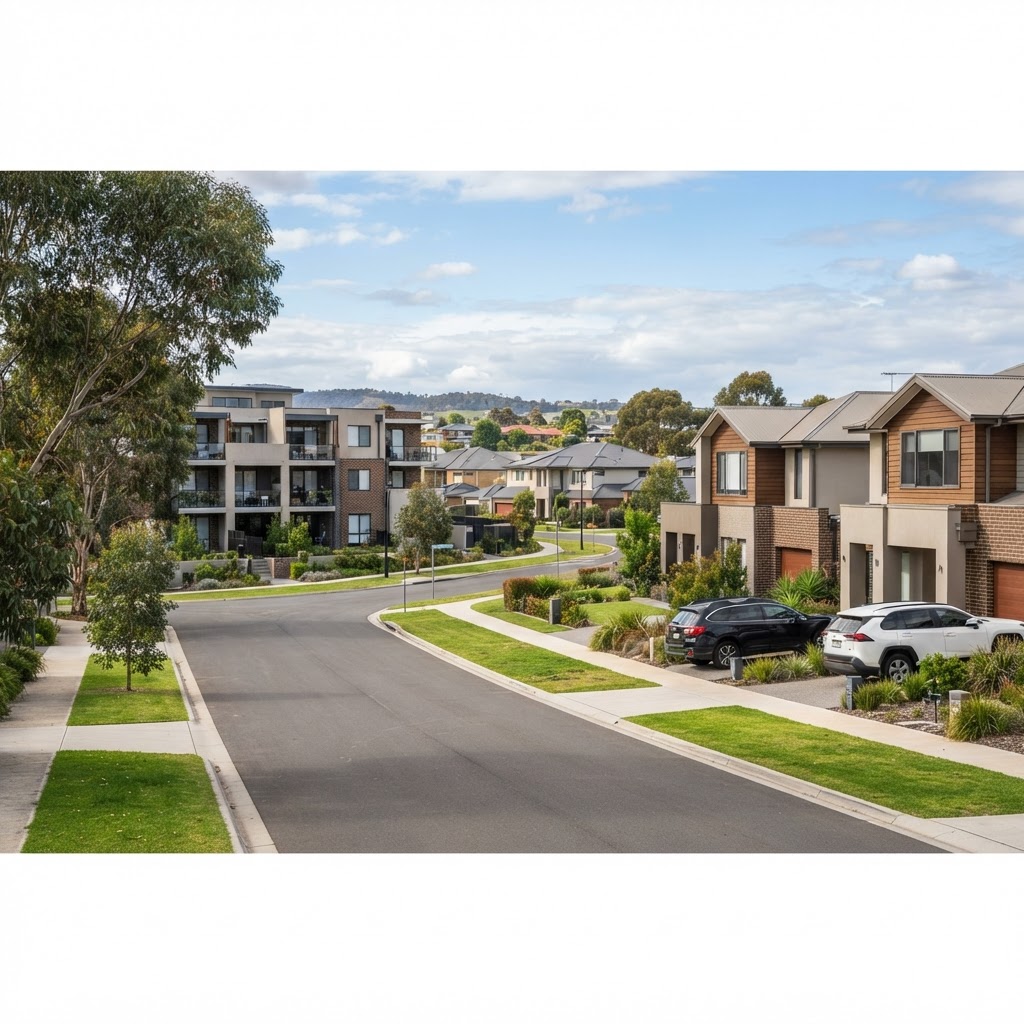
The short answer, for many Bendigo households right now, is yes. When you run the monthly figures on a typical purchase in suburbs like Flora Hill or Strathdale, renting the same style of property frequently costs less out of pocket than servicing a mortgage, at least in the immediate term. That gap has become a live question for a growing number of people who had been quietly saving through 2024 and 2025, assuming they would buy when the time felt right.
The timing matters for a specific reason. The Reserve Bank of Australia's rate-cutting cycle, which began earlier this year, has not yet translated into dramatically cheaper borrowing. A buyer putting a 20 percent deposit on a $490,000 home, roughly Victoria's current regional median, is still looking at a loan of around $392,000. At a variable rate near 6 percent, that is roughly $2,350 a month in principal and interest repayments, before rates, insurance, or maintenance. A comparable three-bedroom house in Flora Hill was listing for rent in the $1,700 to $1,900 per month range through mid-2026, according to listings active on the major platforms. The gap is real, and it is not trivial.
The Bendigo Calculation
Strathdale tells a similar story. The suburb, which sits within easy reach of Bendigo's La Trobe University campus and the Strathdale Park oval, has attracted consistent demand from families and remote workers making the move from Melbourne. Rental vacancy in central Bendigo has remained tight, the Real Estate Institute of Victoria has tracked regional Victorian vacancy rates below two percent for extended periods, but rents have not risen fast enough to close the gap with ownership costs created by higher interest rates.
The Bendigo and District Aboriginal Cooperative and community housing providers such as Haven Home Safe both operate in the city's rental market and have flagged for some time that the lower end of the private rental market is under pressure. For anyone not eligible for community housing and earning a moderate income, the private market at $1,800 a month is painful but still clears the mortgage hurdle, for now.
What renters give up is equally concrete. A buyer who purchased a median-priced Bendigo home in July 2021, when the median sat closer to $430,000, has already seen meaningful equity growth even accounting for the subsequent rate rises. The equity argument for buying does not disappear simply because monthly repayments are higher than rent. It just means the break-even horizon has extended, and patience has become the product people are effectively buying when they sign a lease instead of a contract of sale.
What the Numbers Mean for Your Next Move
First-home buyers using the federal government's Home Guarantee Scheme, which allows eligible purchasers to buy with a five percent deposit and avoid lenders mortgage insurance, change the sums somewhat. A buyer under that program on a $490,000 purchase puts in $24,500 upfront rather than $98,000, preserving cash but taking on a larger loan. Monthly repayments rise accordingly, widening the rent-versus-buy gap further in the short term.
The practical advice from mortgage brokers operating in the Bendigo CBD corridor, Mitchell Street has several, has been consistent: model your personal break-even point before treating rent as the default. If you plan to stay in Bendigo for seven years or more, the compounding equity in a purchase will almost certainly outperform the cash saved on the rent-versus-mortgage differential. If your horizon is three years or fewer, renting is almost certainly the cheaper option once you factor in stamp duty, conveyancing, and selling costs on exit.
Gen Z buyers, who various surveys suggest still overwhelmingly want to own rather than rent long-term, are showing up at open inspections in Kennington and White Hills on weekends, suburbs where entry-level houses occasionally still appear under $450,000. They are not abandoning the goal. They are recalibrating the timeline, and the maths of mid-2026 suggest that recalibration is rational rather than defeatist.
This article is general information only and is not personal financial or investment advice. Consider your own circumstances and seek licensed professional advice before making financial decisions.