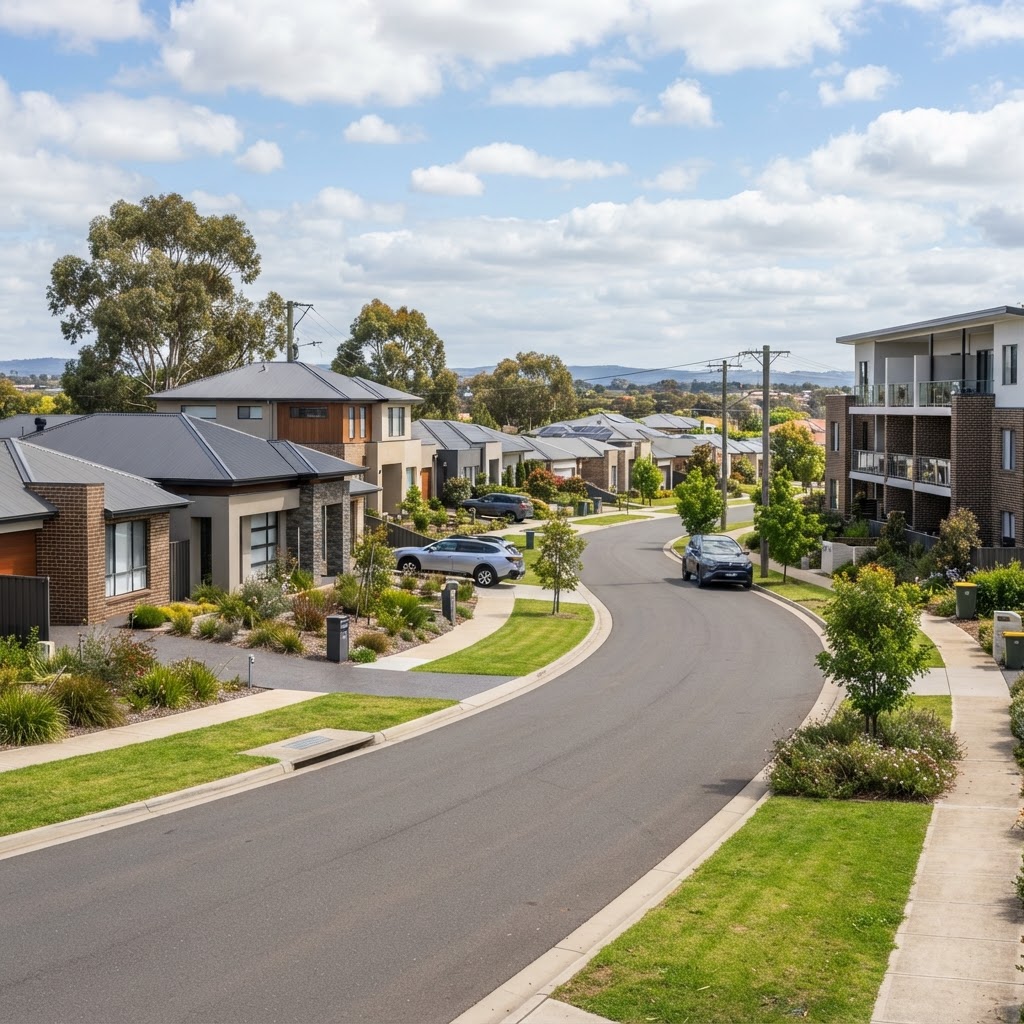
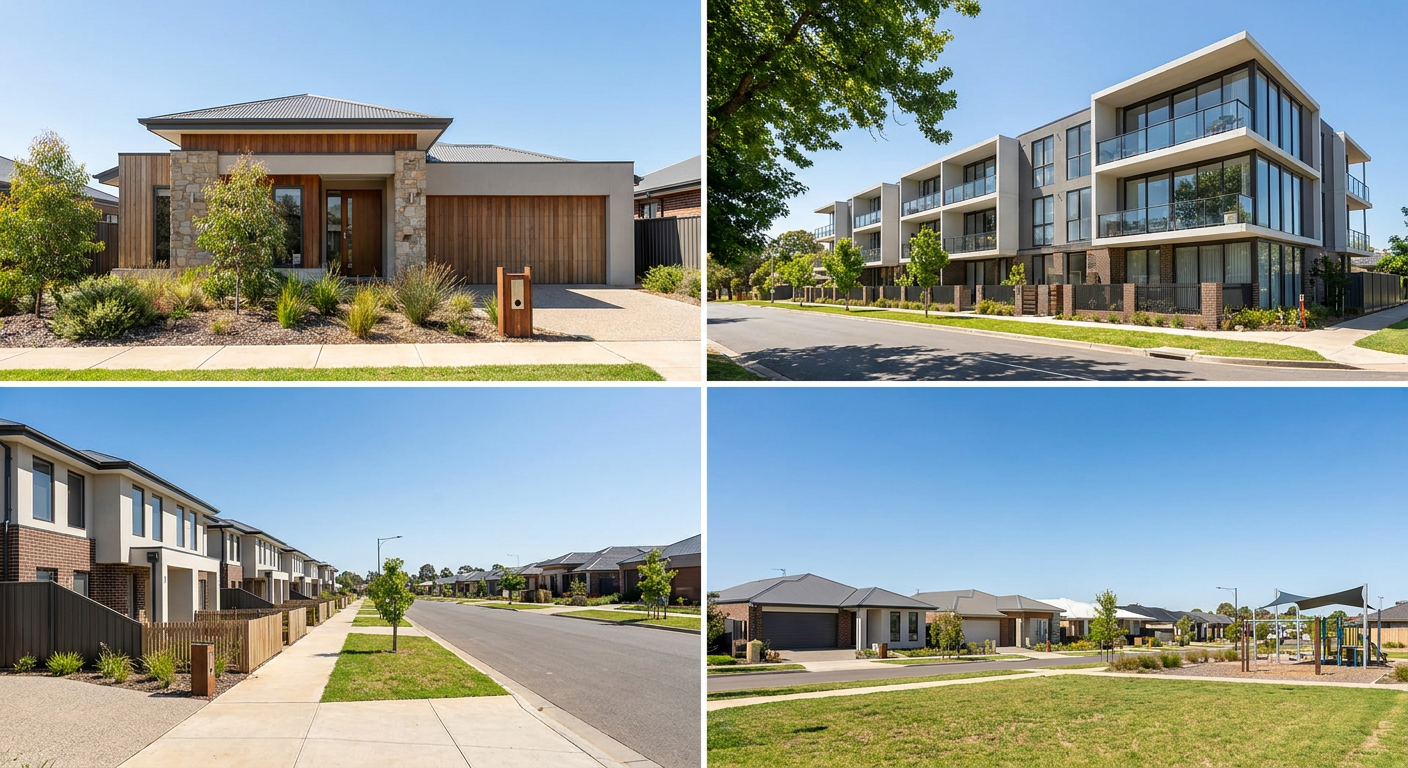
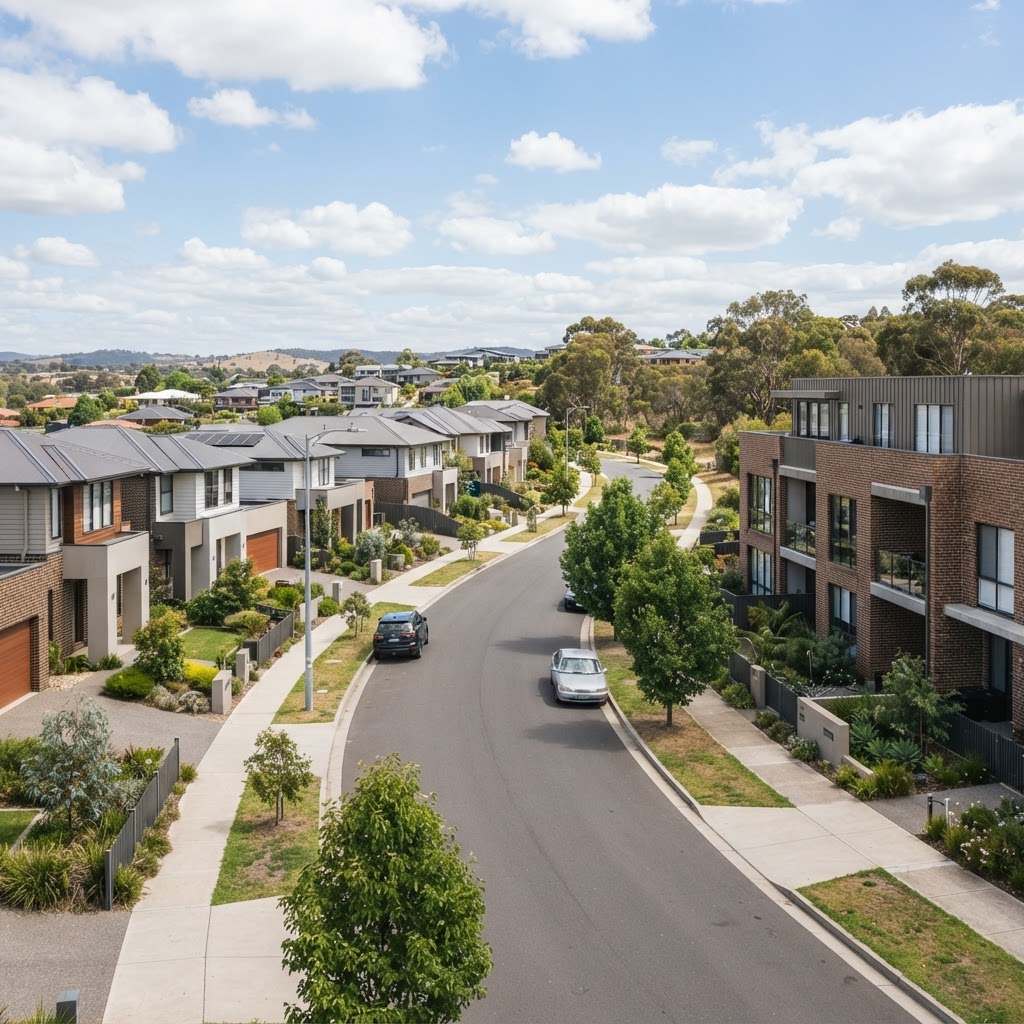
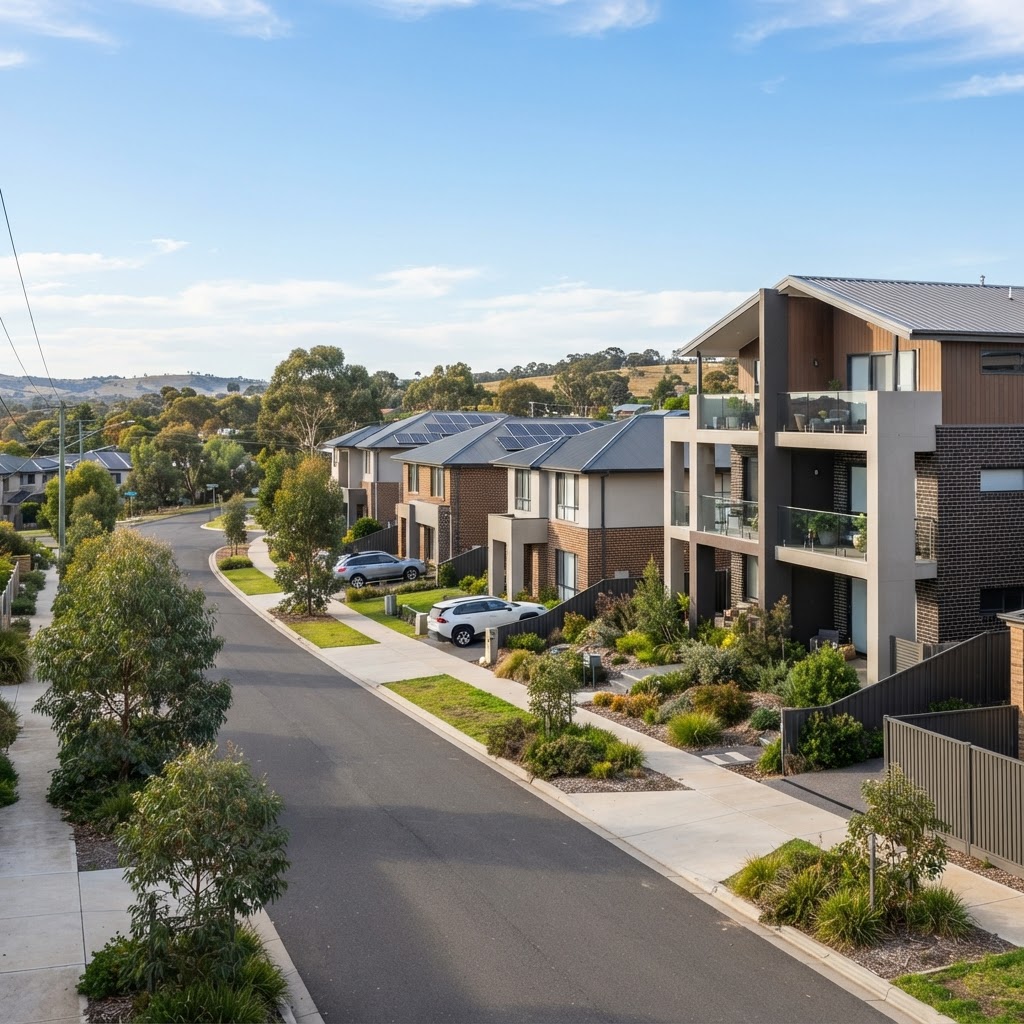
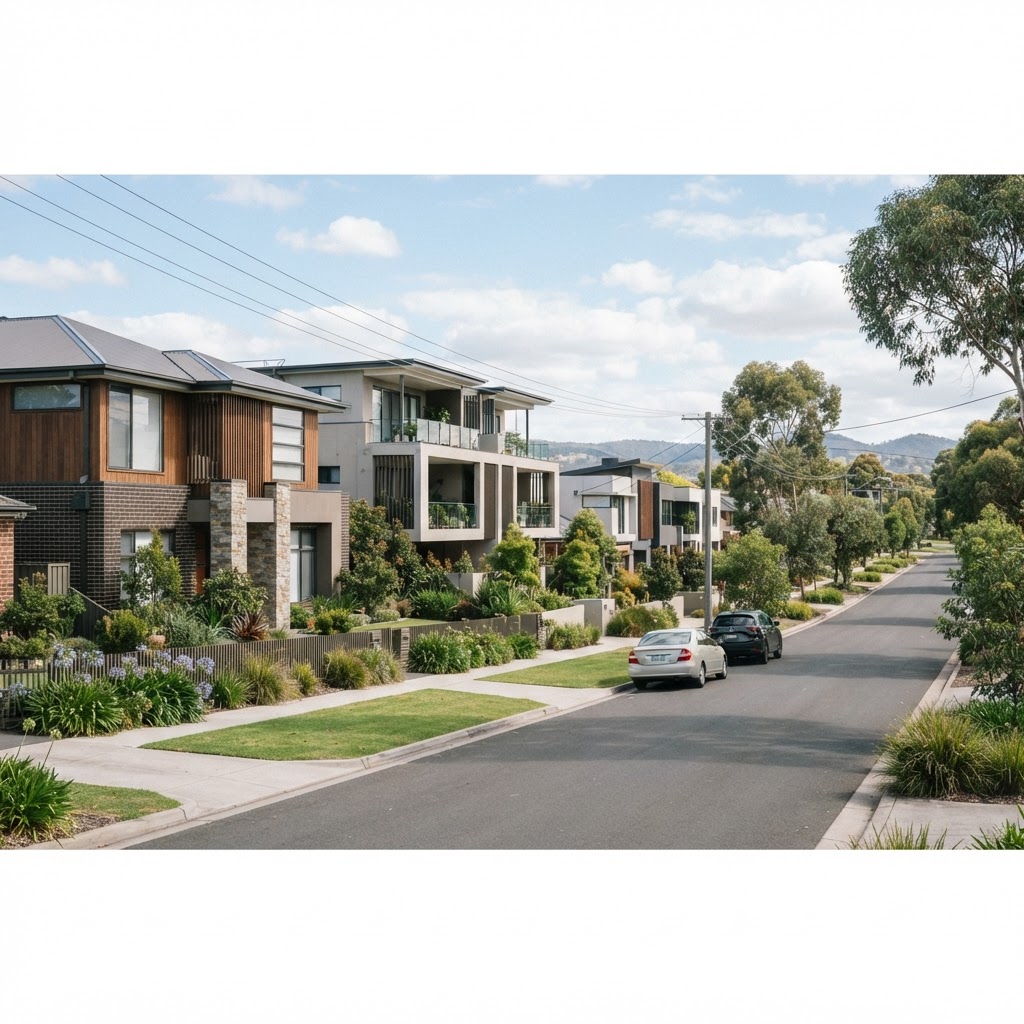
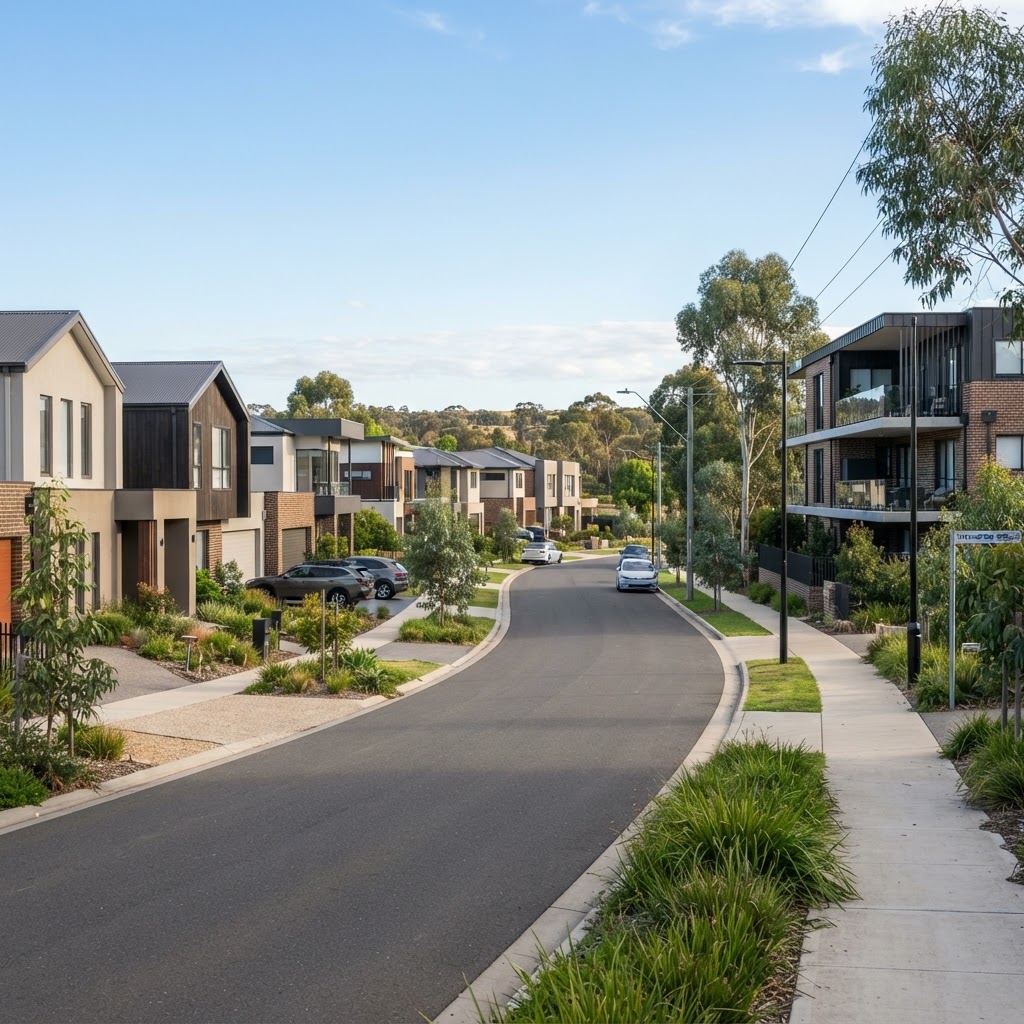
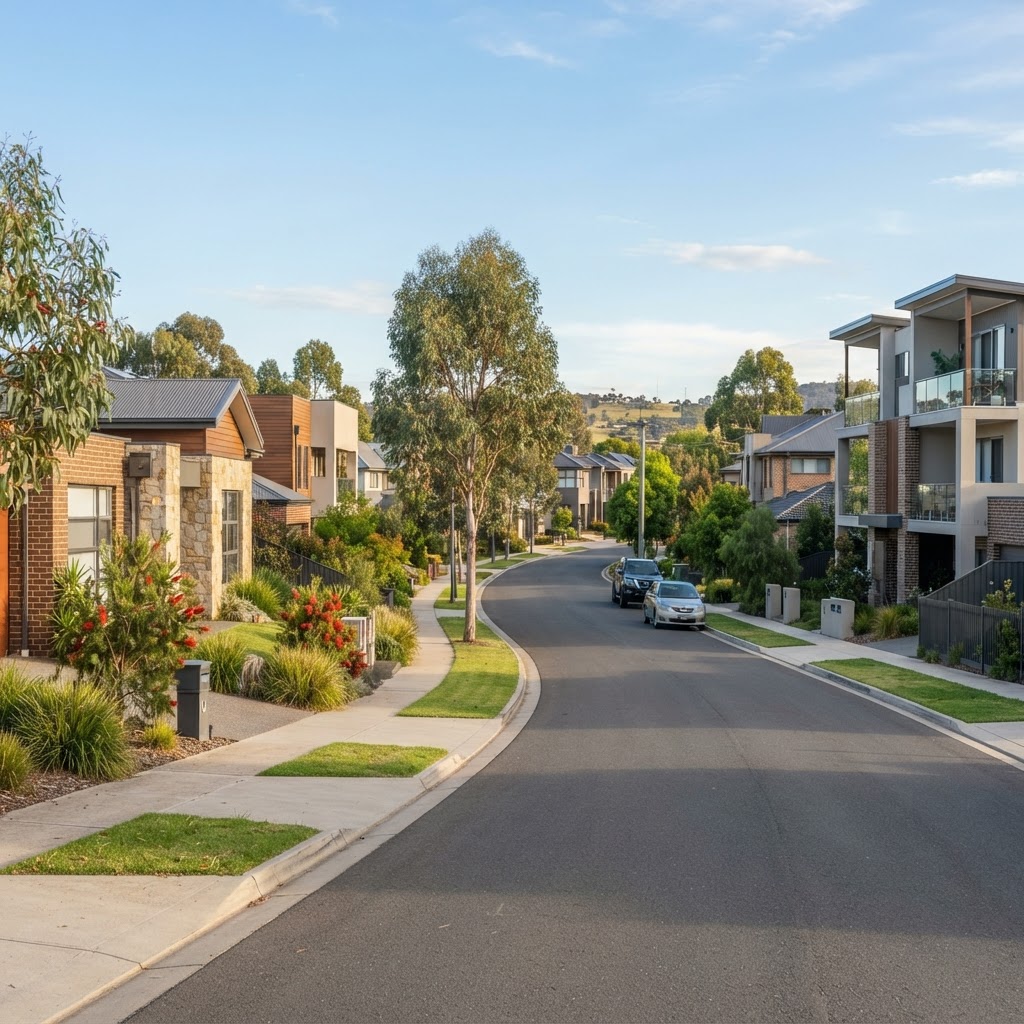
For the first time in a generation, the cost of owning a home in parts of Bendigo is now cheaper than renting one. A sharp rise in rental costs combined with a moderation in property price growth has created a financial tipping point in several of the city’s traditionally affordable suburbs, offering a glimmer of hope for beleaguered first-home buyers.
An analysis by The Daily Bendigo shows that for an entry-level house in suburbs like Long Gully, Eaglehawk, and California Gully, the monthly mortgage repayment can now be less than the median monthly rent. The shift redraws the map for aspiring homeowners who have been locked out of the market by soaring prices and squeezed by a rental crisis that has seen vacancy rates plummet across the region since 2022.
The trend is driven by two powerful forces. Bendigo’s rental market remains exceptionally tight, fuelled by an influx of remote workers from Melbourne and a student population returning to campuses like La Trobe University’s Flora Hill site. This has pushed rents up consistently for more than 24 consecutive months. At the same time, the rapid property price escalation seen during the pandemic has cooled, creating a window where purchase prices have stabilised while rental costs continue their upward climb.
The Numbers Don't Lie
The data reveals a stark contrast across the city. In Long Gully, the median house price sits around $415,000. For a buyer with a 20 per cent deposit, monthly mortgage repayments on a 30-year loan at a typical principal-and-interest rate of 6.1 per cent would be approximately $2,020. Meanwhile, the median advertised rent for a three-bedroom house in the same suburb has now climbed to $480 per week, or about $2,080 per month. This puts buyers narrowly ahead.
The equation is similar in Eaglehawk, where a median price of roughly $440,000 results in monthly mortgage costs of about $2,150, nearly on par with the suburb's median rent of $495 per week ($2,145 per month). This affordability crossover is most apparent for properties below the suburb medians, particularly older two- and three-bedroom homes that attract first-time buyers and investors alike.
This affordability shift has not yet reached Bendigo’s more expensive suburbs. In sought-after areas like Strathdale and Kennington, with median house prices well over $700,000, the gap between mortgage repayments and rent remains substantial, making tenancy the far cheaper option for residents month-to-month.
A Window of Opportunity, Not a Guarantee
The high upfront costs of purchasing property remain the single biggest obstacle. Stamp duty and the need for a significant deposit-often upwards of $80,000 to avoid costly Lenders Mortgage Insurance-are hurdles that renters do not face. Government programs like the Victorian Homebuyer Fund, which provides a shared equity contribution, are becoming increasingly critical for those trying to bridge the deposit gap.
Local mortgage brokers report a noticeable increase in enquiries from long-term renters who are now running the numbers on a purchase for the first time. The advice is consistent: potential buyers must factor in the additional costs of homeownership, including council rates, insurance, and inevitable maintenance bills for Bendigo’s older housing stock. While the monthly cash flow may look better on paper, the total cost of ownership is always higher. For now, however, in quiet streets just a few kilometres from the Bendigo Art Gallery and the city centre, the long-held assumption that renting is the cheaper option is being seriously challenged.
This article is general information only and is not personal financial or investment advice. Consider your own circumstances and seek licensed professional advice before making financial decisions.