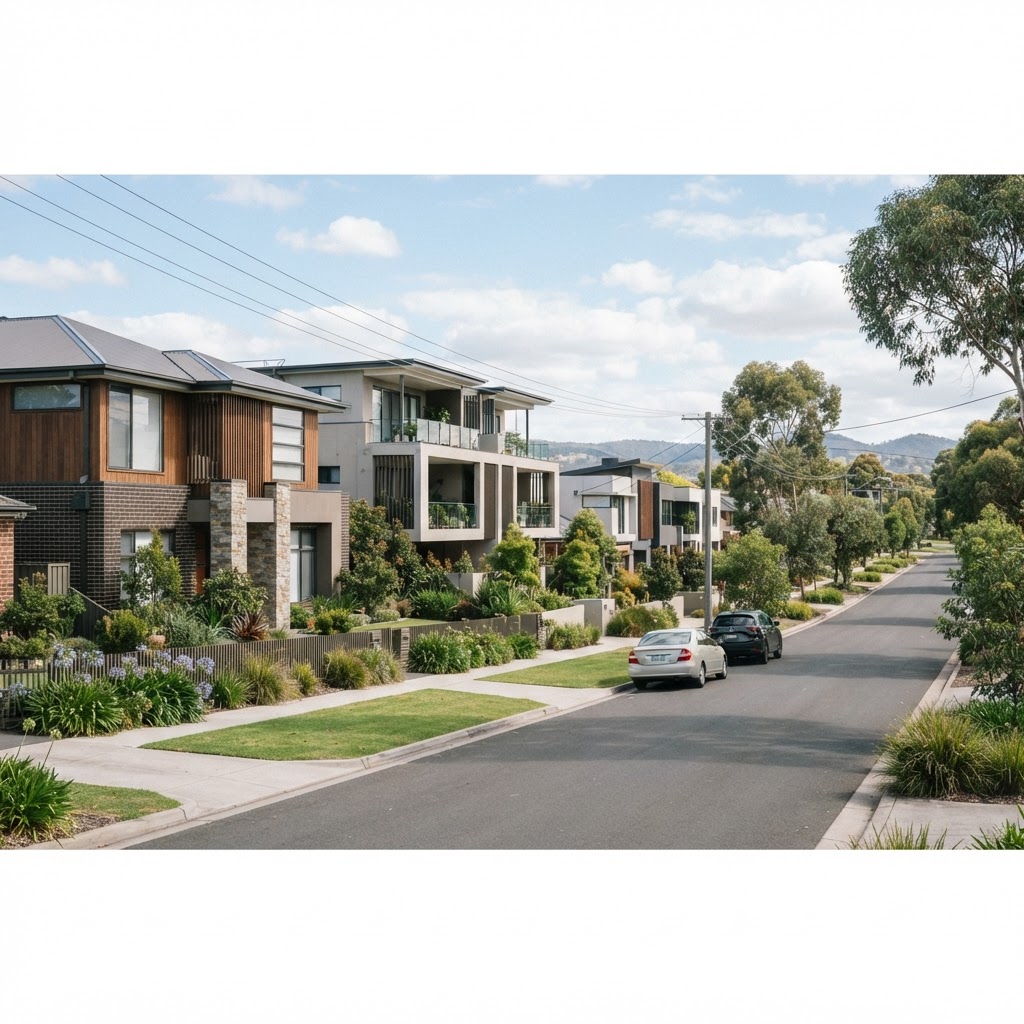
Victoria's median house price is sitting around $490,000, but in Bendigo's most sought-after pockets, Flora Hill, Strathdale, Kangaroo Flat, buyers are routinely competing for properties priced well above that mark. For the growing cohort of remote workers and regional migrants who relocated here during and after the pandemic, the gap between what they can afford to rent and what they can afford to buy is not narrowing. It is widening.
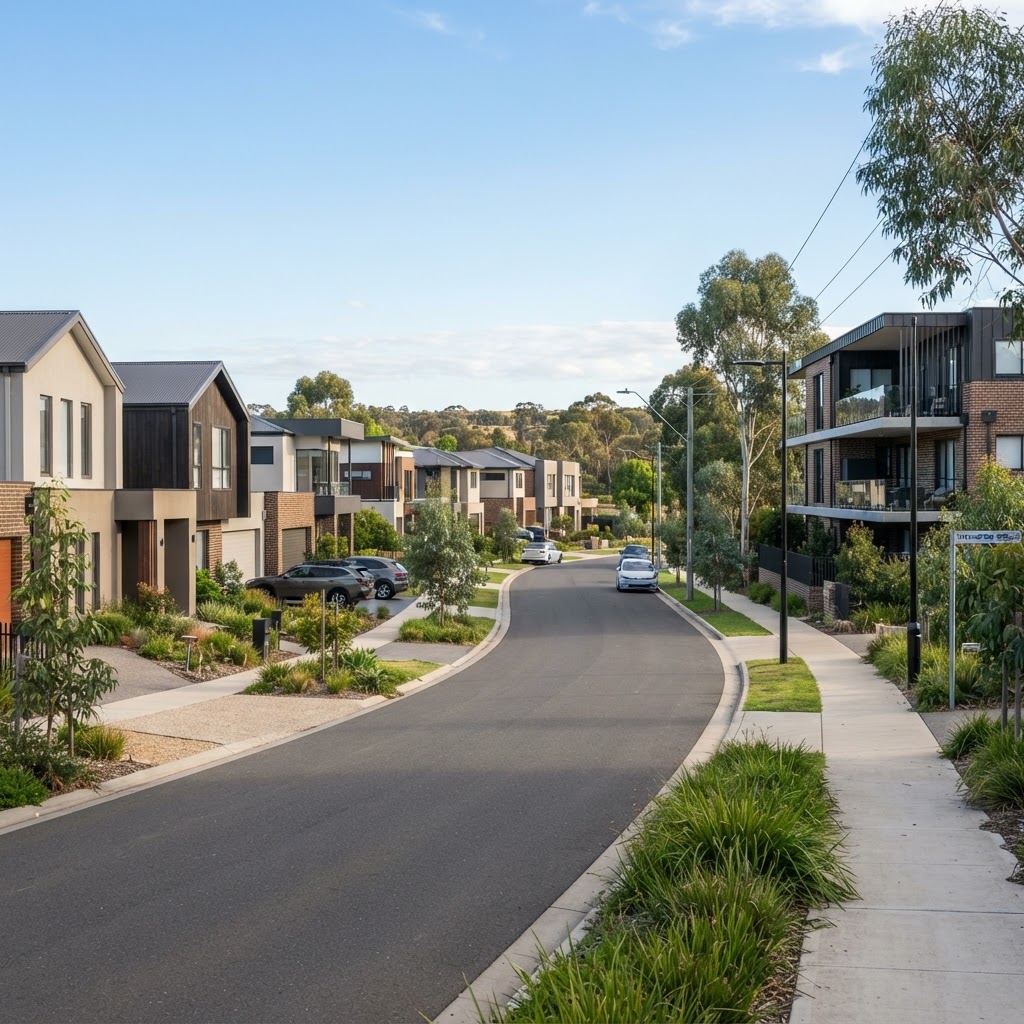
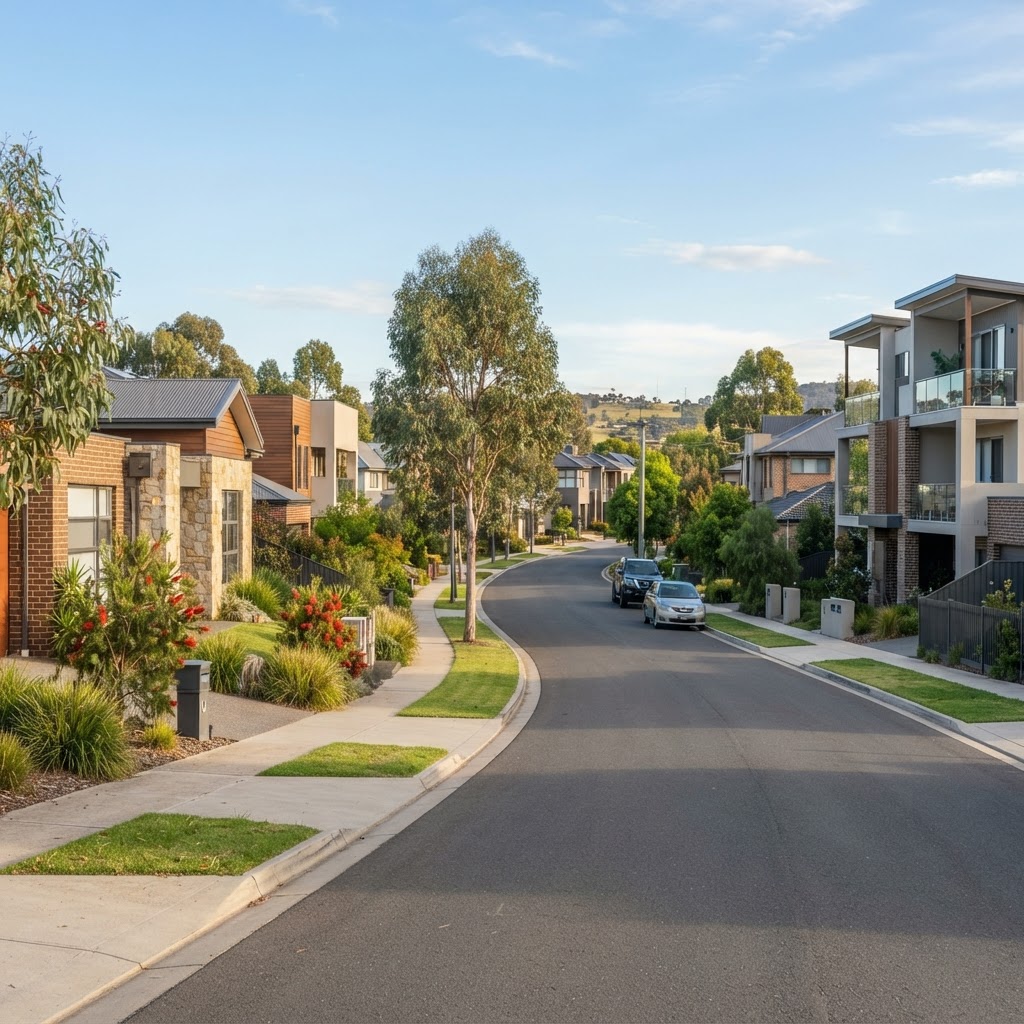
That squeeze is why build-to-rent, a model in which large-scale developers construct residential apartments or townhouses specifically to lease long-term, rather than sell, is attracting serious attention from both state planners and tenants who have grown tired of the private rental lottery.
What the model actually offers
Build-to-rent differs from conventional private rentals in a handful of practical ways that matter to tenants. Leases are typically offered on longer terms, two, five, or even ten years in some schemes, and the landlord is a corporate entity with a professional property management arm rather than a mum-and-dad investor who may decide to sell at six months' notice. Pets are more commonly permitted. Fit-outs tend to be higher quality because the developer is not looking to flip the asset. And rent increases, in well-structured schemes, are tied to fixed formulas rather than left to market whim.
The Victorian Government's Big Housing Build program, announced in 2020 with a $5.3 billion commitment, has been pushing purpose-built social and affordable rental supply across the state. Bendigo has seen some activity under that umbrella, including projects managed through Homes Victoria in the city's inner and northern precincts. The challenge is that the mainstream commercial build-to-rent sector, dominated by developers like Mirvac and Greystar in Melbourne, has been slow to look at regional centres. Land economics in a city of roughly 120,000 people are different to those in Fitzroy or South Yarra.
That may be changing. The City of Greater Bendigo's housing strategy, which has been guiding planning decisions since its 2021 adoption, explicitly identifies medium-density rental supply as a priority near the Bendigo CBD, along the Napier Street corridor, and around the La Trobe University Bendigo campus on Edwards Road. Those locations are not accidental, they reflect where demand from students, healthcare workers at Bendigo Health, and remote-working newcomers is concentrated.
The numbers renters are working with
In the March 2026 quarter, median weekly rents for houses in the Bendigo local government area were tracking around $420 to $440, according to rental market data published by the Real Estate Institute of Victoria. A two-bedroom unit was sitting closer to $340 to $360 per week. Neither figure is Sydney or Melbourne pricing, but both represent significant increases on where the market sat four years ago, and they are being absorbed by a local wage base that has not kept pace.
For a household earning the Victorian median income and renting at $440 a week, housing costs consume well over 30 per cent of gross income, the threshold economists broadly define as rental stress. Buying at even $490,000 with a 10 per cent deposit requires servicing a mortgage north of $3,000 a month at current interest rates, which is beyond most single-income renters entirely.
Build-to-rent, when it includes an affordable component, typically defined as 10 to 20 per cent of units rented at below-market rates, can offer some households a genuine middle path: security of tenure without the capital requirement of ownership.
For Bendigo renters tracking this space, the practical advice is straightforward. Watch what the City of Greater Bendigo approves on sites near the hospital precinct on Lucan Street and around the railway station end of Mitchell Street, those are the corridors most likely to attract medium-density rental proposals in the next planning cycle. Register interest with Homes Victoria directly, because affordable build-to-rent allocations rarely reach the general market through standard listings. And check whether your employer, Bendigo Health employs more than 4,000 people, has any key-worker housing partnerships in negotiation, a model several regional health networks in New South Wales have already activated.
The build-to-rent wave is real. Whether it reaches Pall Mall before 2030 depends largely on whether state planning incentives, including Victoria's land tax concessions for qualifying build-to-rent developments, prove attractive enough to pull developers past the metropolitan fringe.
This article is general information only and is not personal financial or investment advice. Consider your own circumstances and seek licensed professional advice before making financial decisions.