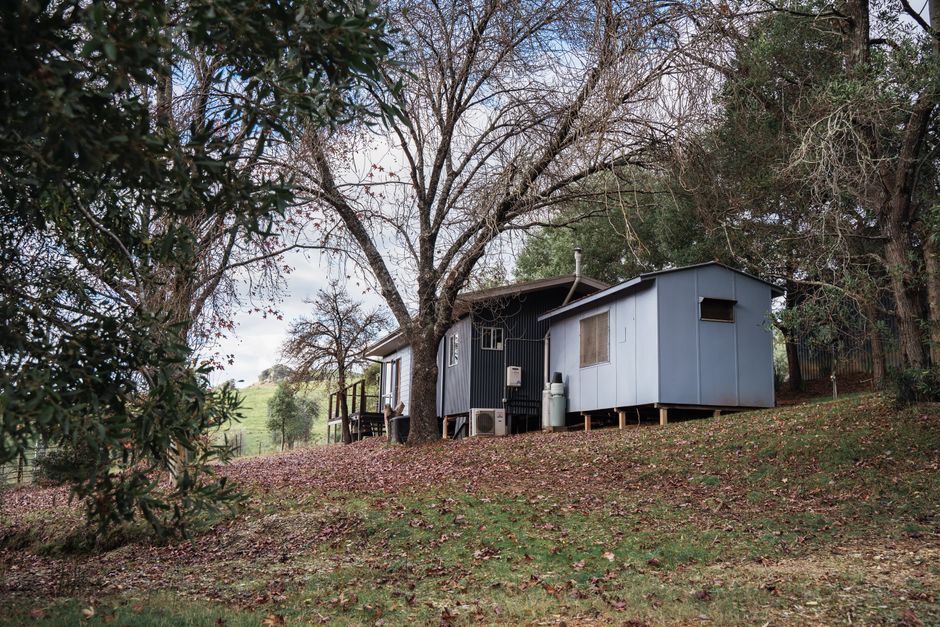
The maths is uncomfortable but increasingly hard to ignore. A three-bedroom house in Strathdale, one of Bendigo's most sought-after family pockets, will cost buyers somewhere between $580,000 and $650,000 at present. Rent the same property and you're looking at roughly $420 to $460 a week. At current variable mortgage rates hovering around 6.3 per cent, ownership costs the buyer nearly double the renter's weekly outlay once you factor in principal, interest, rates and insurance.
That gap is pushing a cohort of Bendigo residents toward rent-vesting: the strategy of renting your primary home while simultaneously buying an investment property in a cheaper or higher-yield market. It's not a new concept, but the current combination of Victoria's elevated stamp duty costs, the Reserve Bank's rate environment and Bendigo's own price growth over the past four years has made it a live conversation at open-for-inspections across the city.
Why Bendigo's Market Makes the Calculation Interesting
Victoria's stamp duty obligations are a serious drag on first-time buyers. On a $490,000 purchase, roughly the current regional median according to PropTrack's June 2026 figures, a Victorian buyer faces a stamp duty bill of around $24,000. That's money that doesn't come back, and it's money that has grown substantially over the past decade as values climbed. Buyers in Geelong have felt that pain acutely on properties now trading well above $700,000; Bendigo's lower price point offers some relief, but the burden is real.
Rent-vesting sidesteps that lump sum, temporarily, at least, and redirects capital toward an investment purchase in a market where yields stack up better. Some Bendigo residents currently renting in Flora Hill, close to La Trobe University's Edward Street campus, are instead purchasing one- or two-bedroom units in outer Adelaide or the Latrobe Valley, where entry prices can sit below $300,000 and gross rental yields push past 5.5 per cent. The investment carries its own stamp duty cost, but the lower purchase price and tax-deductible holding costs change the arithmetic considerably.
The strategy isn't without risk. Rent-vestors remain exposed to landlord decisions on their own tenancy, they miss out on the principal home capital gains tax exemption on their investment property, and they carry the psychological weight of not owning the roof over their heads. Bendigo's rental vacancy rate was sitting at approximately 1.2 per cent as of May 2026, according to the Real Estate Institute of Victoria, which means that security of tenure is genuinely limited. A lease ends; finding comparable accommodation on Short Street or in the Strathdale pocket near Strath Village shopping centre is not guaranteed.
Local Resources and the Decision Framework
Bendigo Community Financial Services, which operates through several Bendigo Bank branches in the CBD and surrounds, has reported increased enquiries from customers in their late 20s and early 30s asking specifically about investment loan structures separate from owner-occupier loans. That pattern tracks with national data. The Australian Bureau of Statistics recorded that investor lending nationally rose 11.4 per cent in the year to March 2026, outpacing owner-occupier loan growth of 6.8 per cent over the same period.
For those weighing the decision locally, the key practical steps are straightforward, if not simple. Get a full picture of your borrowing capacity under both scenarios, owner-occupier and investor, before committing to either. Speak to a mortgage broker who understands cross-collateralisation risks, because using future equity in an investment property to eventually buy a Bendigo home requires careful structuring from day one. Organisations like the Bendigo Financial Counselling Service on Hargreaves Street can help those on tighter incomes model the trade-offs before they sign anything.
The rent-vesting path won't suit everyone, particularly families needing stability in the school catchments around Girton Grammar or Bendigo Senior Secondary College. But for single professionals and couples without children who want a foothold in property without stretching to buy in Strathdale or White Hills today, it deserves a serious look. The window where this strategy offers a genuine advantage will not stay open indefinitely. If rates fall materially through late 2026 and early 2027, as some economists are forecasting, the monthly ownership premium will narrow and the case for waiting weakens fast.