News
Transport and Traffic Pressures in Bendigo: Why It Matters for Residents and Community Wellbeing
As Bendigo grows, evolving transport and traffic dynamics increasingly affect daily life and local connections.
3 min read
News
As Bendigo grows, evolving transport and traffic dynamics increasingly affect daily life and local connections.
3 min read
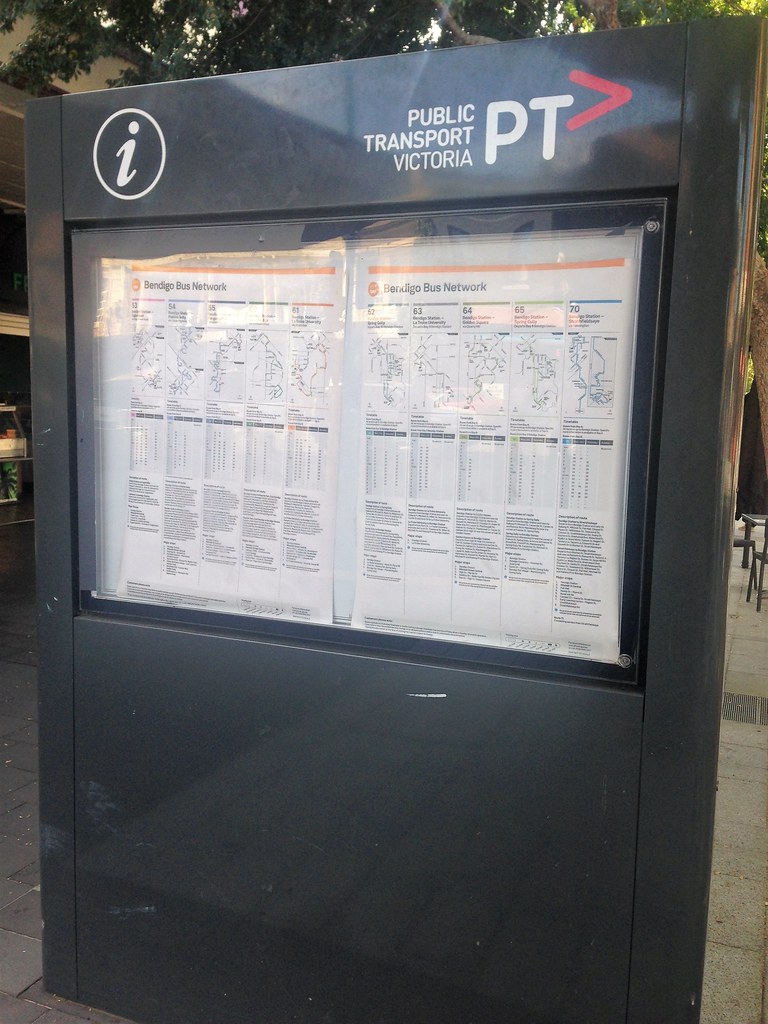
Bendigo residents face rising challenges from transport and traffic flows that impact the city’s livability and community cohesion. While no single new policy or project has been announced in recent days, ongoing urban growth and infrastructure demands underline the significance of how traffic management and transport options affect local lives.
Bendigo, positioned as a key regional centre in Victoria, continues to expand both in population and economic activity. This growth generates heightened demand for reliable transport options that accommodate commuters, students, and families. As a connection hub, Bendigo’s roads and public transport systems require attention to prevent congestion and support daily mobility needs.
In particular, the presence of regional employment anchors such as the La Trobe University campus and Bendigo Health’s capital expansion projects highlight the need for seamless transit routes that cater to staff, students, and patients. Equally, improved transport infrastructure can bolster access to vibrant community venues and protect cultural heritage sites.
Many locals report the stress of peak-hour congestion along major corridors into the city centre, as well as limited coverage in public transport services beyond main commercial areas. Streets around the La Trobe University campus and the vicinity of Bendigo Health often experience heavier traffic flows during shift changes and class start times, intensifying pressure on parking and road capacity.
Travel by car remains the predominant mode for most residents, but local advocacy groups and municipal planners stress the importance of enhancing bus schedules and cycling infrastructure to diversify options. These improvements not only reduce traffic jams but also contribute to environmental goals and support healthier lifestyles.
Moreover, traffic difficulties can ripple through the community by affecting air quality, noise levels, and safe pedestrian access. For Bendigo’s Aboriginal cultural heritage sites, which are interwoven with local landscapes, transport planning that includes sensitivity to historical significance remains critical to community wellbeing.
While precise timelines or new funding announcements are not currently public, ongoing discussions within council circles and regional planning bodies are expected to focus on balancing development and transport infrastructure. Residents can anticipate continued consultation on improvements that target bottlenecks and enhance connectivity.
In the meantime, practical advice for local commuters involves utilizing existing public transport where possible, planning travel outside of peak times, and supporting community initiatives aimed at sustainable transport solutions. Engagement with local government forums and advocacy networks remains a productive way for residents to voice priorities and track progress.
Bendigo’s transport and traffic situation is a microcosm of broader regional challenges. Managing it thoughtfully is essential to preserving the city’s character, economic vitality, and quality of life for all community members.
News

News

News
News

News
News
About this articleBeta
Published by The Daily Bendigo
Spread the word
Daily brief
Free, in your inbox before 7am. Weekdays.
The Daily Network — local news across Australia