News
Bendigo’s Council Takes Measured Approach Amid Global Urban Shifts
City council’s cautious strategy balances growth, heritage, and environment better than many peers worldwide.
3 min read
News
City council’s cautious strategy balances growth, heritage, and environment better than many peers worldwide.
3 min read

Bendigo City Council has unveiled updated urban planning and development policies that emphasize heritage preservation and environmental sustainability in contrast with rapid growth strategies seen in comparable regional cities globally. As urban centres worldwide grapple with balancing expansion and community values, Bendigo’s incremental approach marks a notable deviation.
The timing matters as Bendigo faces increasing population pressures and infrastructure demands alongside the push to protect its rich goldrush heritage and sensitive Murray River environs. Cities like Bendigo, with populations around 120,000, are at a crossroads where policy decisions over the next five years will influence economic resilience and local quality of life well into the 2030s.
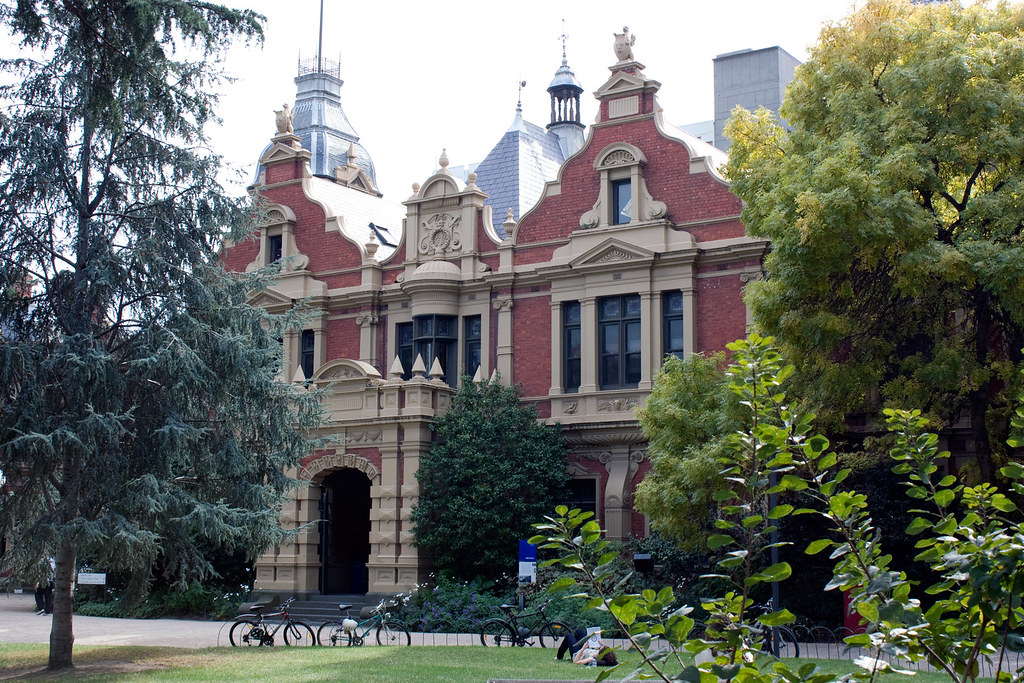
Whereas many regional cities have turned to rapid urban sprawl or intensive high-rise developments to accommodate growth, Bendigo’s council is opting instead to encourage medium-density development concentrated around established precincts such as the La Trobe University campus on Edwards Street and the Bendigo Health expansion zone near View Street. These sites were chosen due to existing infrastructure capacity and their importance as economic anchors.
Programs like the Green Spaces Preservation Initiative reinforce this stance by investing $1.4 million this fiscal year into park upgrades, including Rosalind Park and the Dunolly Creek corridor, to improve ecosystem health while ensuring community access. This contrasts with cities like Asheville, North Carolina, or Sheffield, England, where recent growth has often led to conflicts between developers and heritage groups.
Data from the latest 2026 census reveals Bendigo’s growth rate sits at 1.7% annually, slower than many regional centres internationally which range from 2.5% to 4%. This gives council the opportunity to manage expansion deliberately. In budget terms, the council has allocated $12.3 million towards upgraded public transport links and infrastructure improvements in Bendigo’s CBD and Flora Hill suburbs, maintaining a transit-oriented development model rather than auto-centric expansion prevalent elsewhere.
Public feedback gathered during last year’s consultation phase involved over 2,000 residents, suggesting strong local support for the council’s balanced approach. Residents expressed concern over potential loss of cultural character and environmental degradation, issues often overlooked in faster-growing cities abroad.
Looking ahead, Bendigo City Council plans to refine zoning laws by the end of 2027 to further restrict large-scale commercial developments in historic precincts, while seeking funding partnerships for water management projects vital to the Murray River catchment’s future. Residents are encouraged to participate in upcoming workshops at the Bendigo Library on Pall Mall, scheduled for August and September, to stay informed and contribute to the evolving urban plan.
This careful calibration of growth and conservation places Bendigo in a unique position among regional cities globally, suggesting that measured expansion combined with community input and respect for local heritage can provide a sustainable path forward.
News

News
News
News

News
News
About this articleBeta
Published by The Daily Bendigo
Spread the word
Daily brief
Free, in your inbox before 7am. Weekdays.
The Daily Network — local news across Australia