Lifestyle
Bendigo’s Fashion Scene Shifts Toward Local Craftsmanship and Sustainable Style
A fresh wave of locally made, eco-friendly fashion is reshaping what residents wear-and why they love it.
3 min read
Lifestyle
A fresh wave of locally made, eco-friendly fashion is reshaping what residents wear-and why they love it.
3 min read
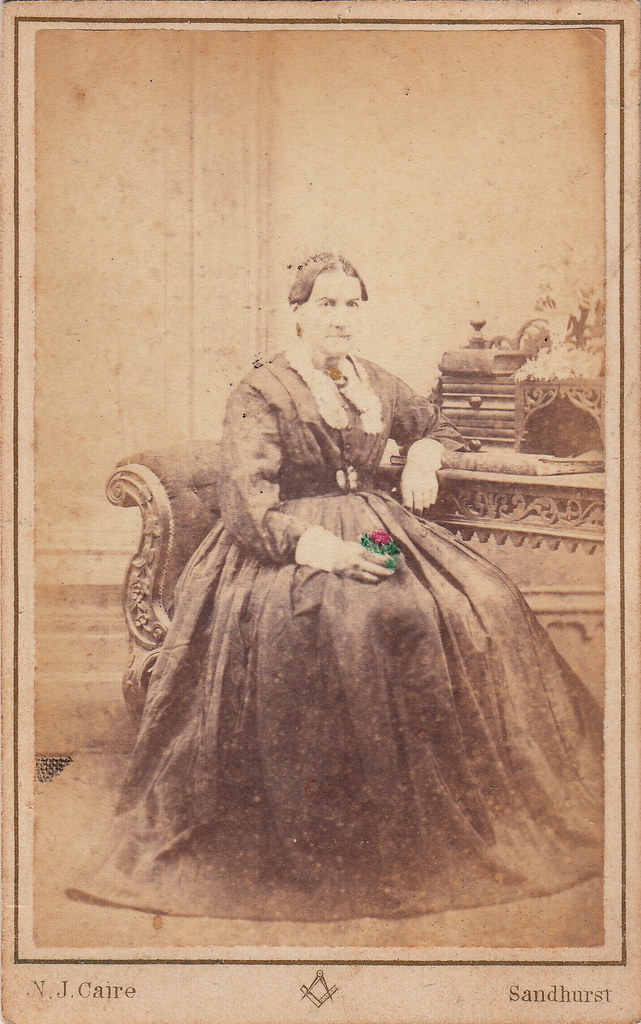
Bendigo’s fashion scene has undergone a noticeable transformation in the past two years, with a surge in demand for locally produced and sustainably made clothing. Retailers and designers in the city have adapted quickly, leading to a vibrant mix of artisan craftsmanship and eco-conscious style now favored by locals.
This change matters because consumers across Australia are shifting priorities toward sustainability and supporting domestic businesses. In Bendigo-a city renowned for its creative energy and heritage industries-this shift reflects broader economic and cultural trends, including growing awareness about fast fashion’s environmental impact and a desire to reinvest in local talent.
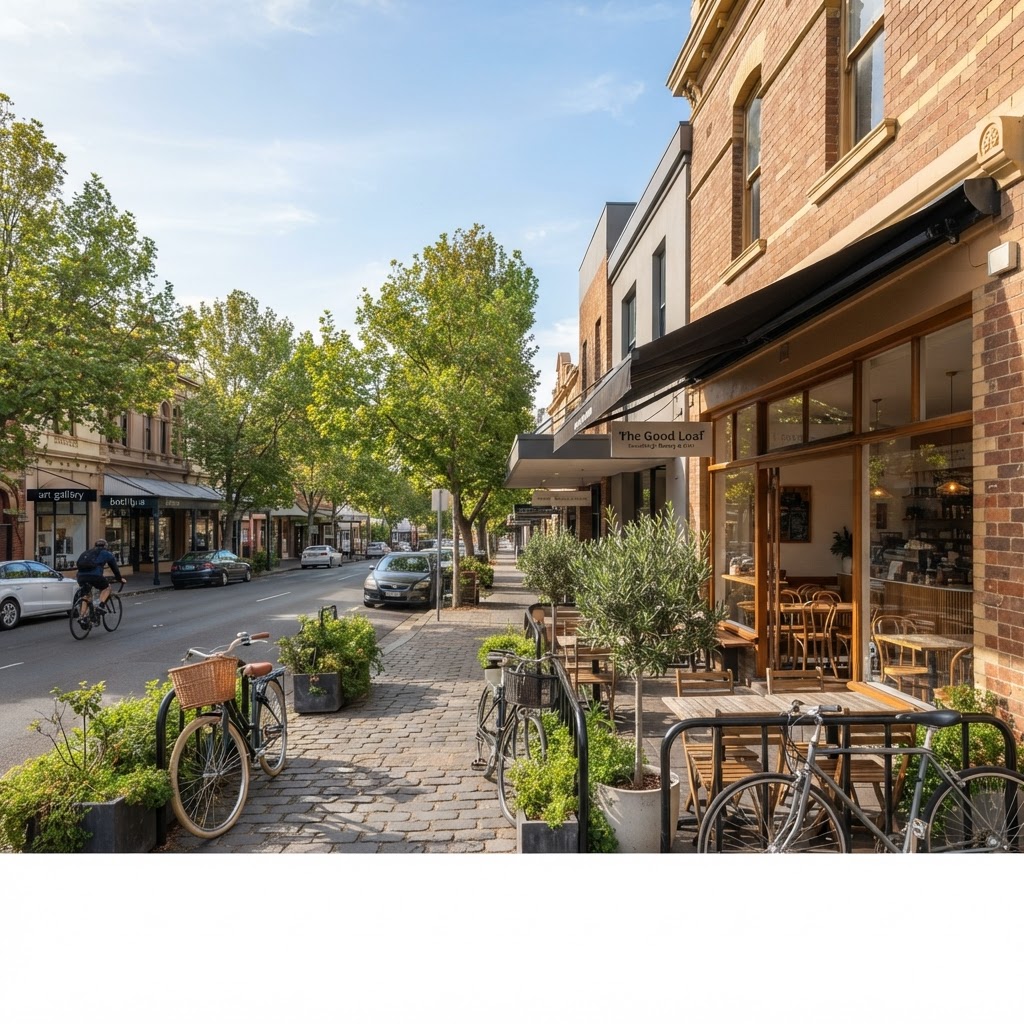
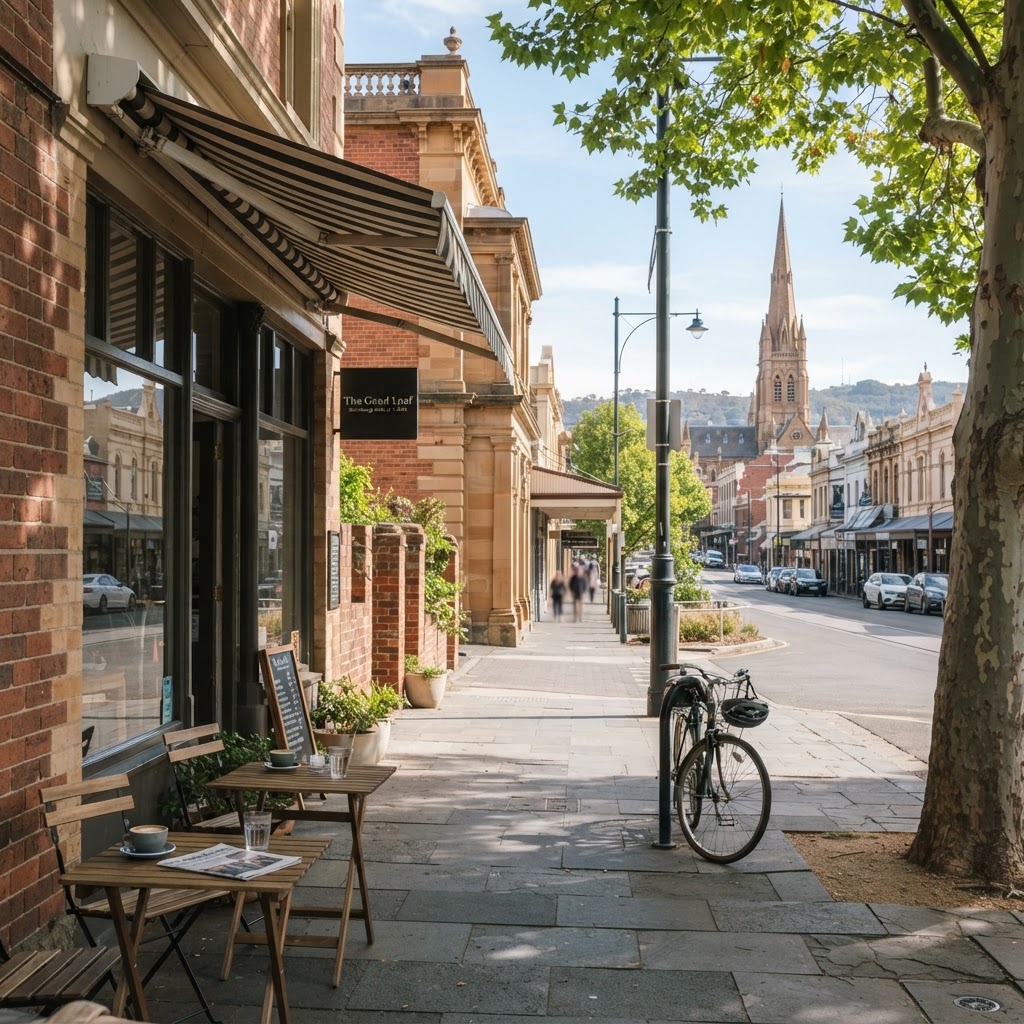
Bendigo’s central business district now boasts an increasing number of boutiques focusing on garments crafted by regional designers. The recently opened Shop 22 on Pall Mall is one key example, showcasing fashion from six local labels specializing in natural fibers and zero-waste production techniques. Just a short walk away, the Golden Thread Collective on View Street hosts a monthly market where emerging designers sell handmade apparel and accessories, drawing growing crowds.
National and international fast fashion chains are still present but share shelf space with Bendigo-based brands such as White Gum Apparel and Millitria, the latter founded by a local weaver with a commitment to ethical sourcing. New community programs supported by the Bendigo Regional Arts Trust have also helped designers gain visibility through pop-up events and workshops, filling gaps left by traditional retail models.
The impact of this trend is visible in retail data released by the City of Greater Bendigo’s economic development office: between 2024 and 2026, sales revenue at local independent fashion stores increased by 18%. Meanwhile, overall clothing expenditure across Bendigo households has remained stable, indicating that residents are choosing quality over quantity rather than spending more overall.
Pricing strategies reflect this focus on sustainability. High-quality, locally produced garments in Bendigo typically range between $120 and $350, positioning them as investment pieces compared to the $40 to $80 price points often found in mass-market fast fashion. The willingness of consumers to pay a premium for enduring design and ethical production has fostered a stable market for local designers and made sustainable fashion more financially viable.
RMIT University’s recent study on regional consumer behavior showed that 67% of Bendigo shoppers expressed greater interest in brands with transparent sourcing and production methods, underscoring changing values aligned with environmental concerns.
Looking ahead, this momentum suggests Bendigo’s fashion sector will continue evolving along these lines. Residents wanting to tap into the latest trends should explore local pop-up events in the Bendigo Art Gallery precinct or take a fashion walk along View and Pall Mall Streets to discover new artisan labels. For those seeking to reduce wardrobe waste, several boutiques now offer clothing repair services and garment recycling programs partnered with environmental groups like Zero Waste Bendigo.
For consumers committed to blending style with sustainability, Bendigo now offers more reasons than ever to shop local, ensuring fashion choices contribute to both the economy and the environment.
Lifestyle
Lifestyle
Lifestyle
Lifestyle
Lifestyle
Lifestyle
About this articleBeta
Published by The Daily Bendigo
Spread the word
Daily brief
Free, in your inbox before 7am. Weekdays.
The Daily Network — local news across Australia