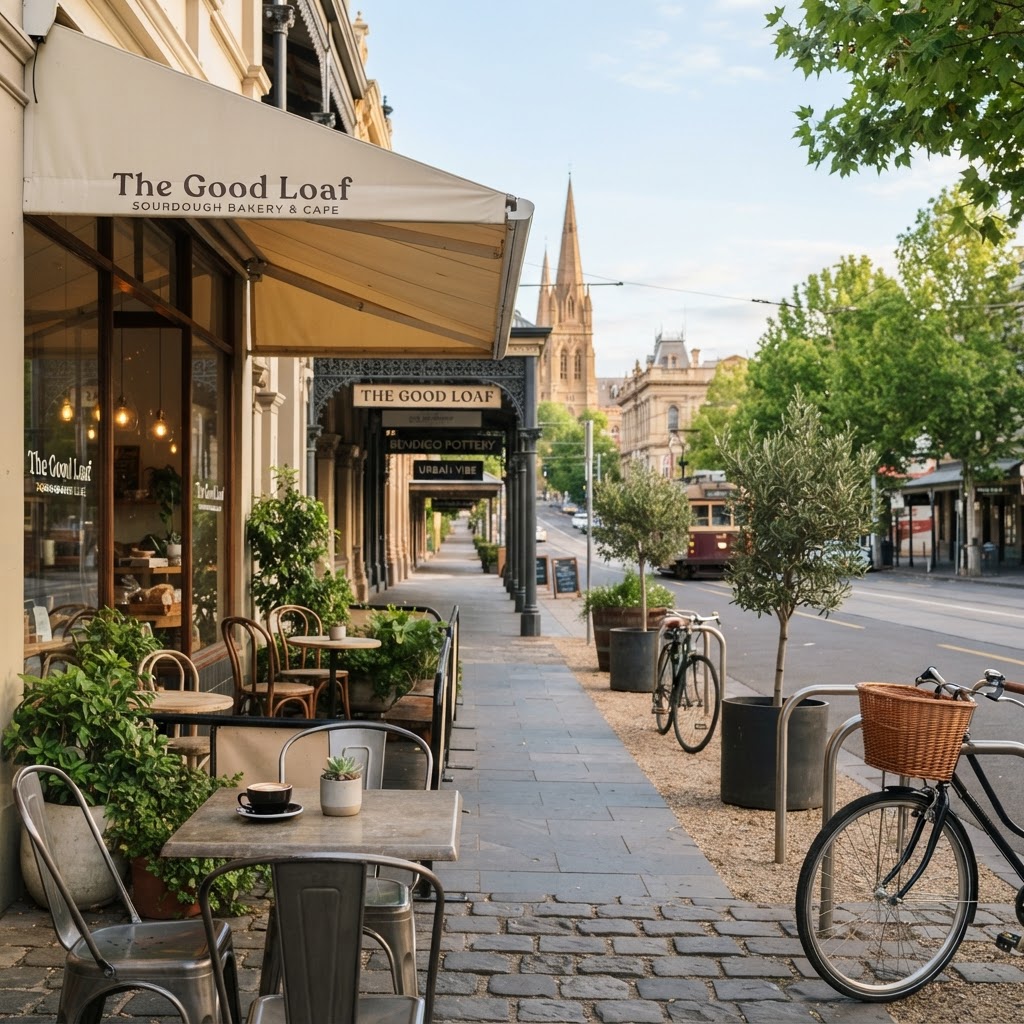
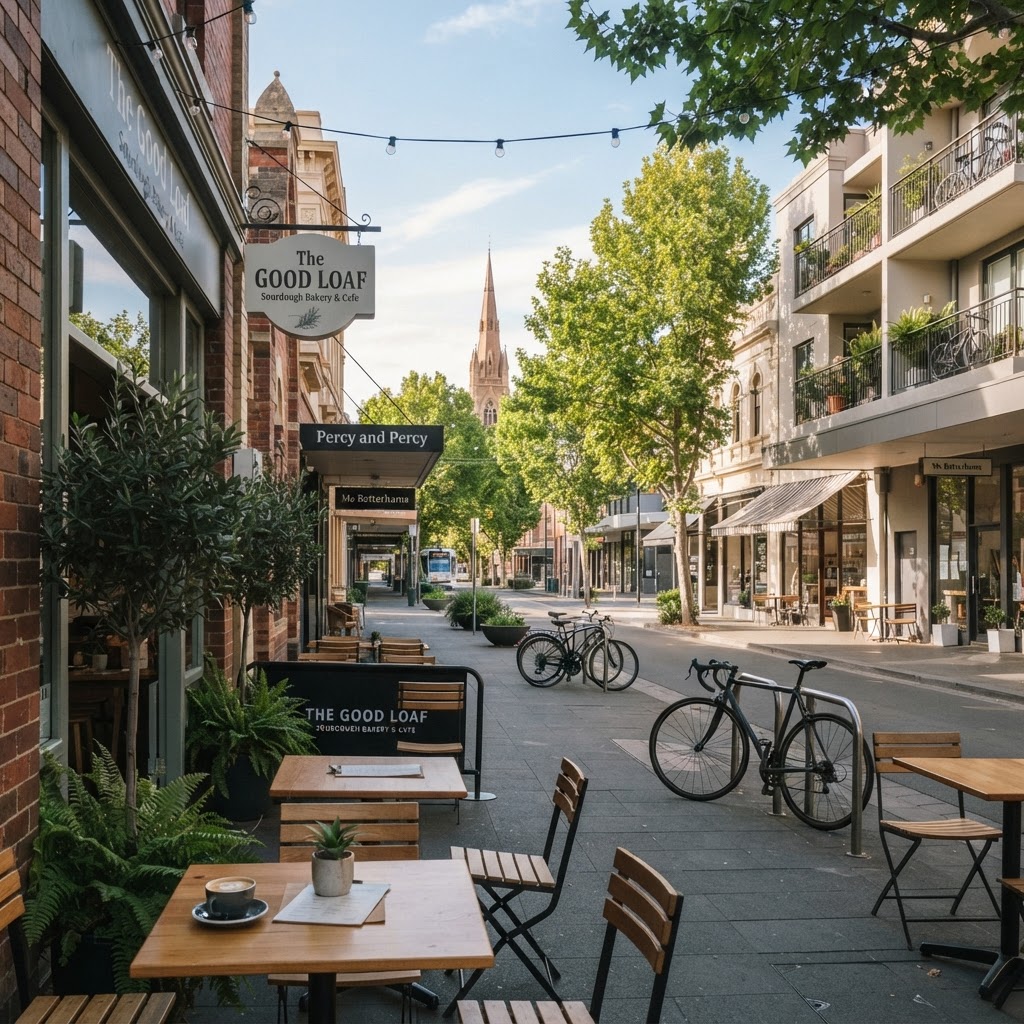
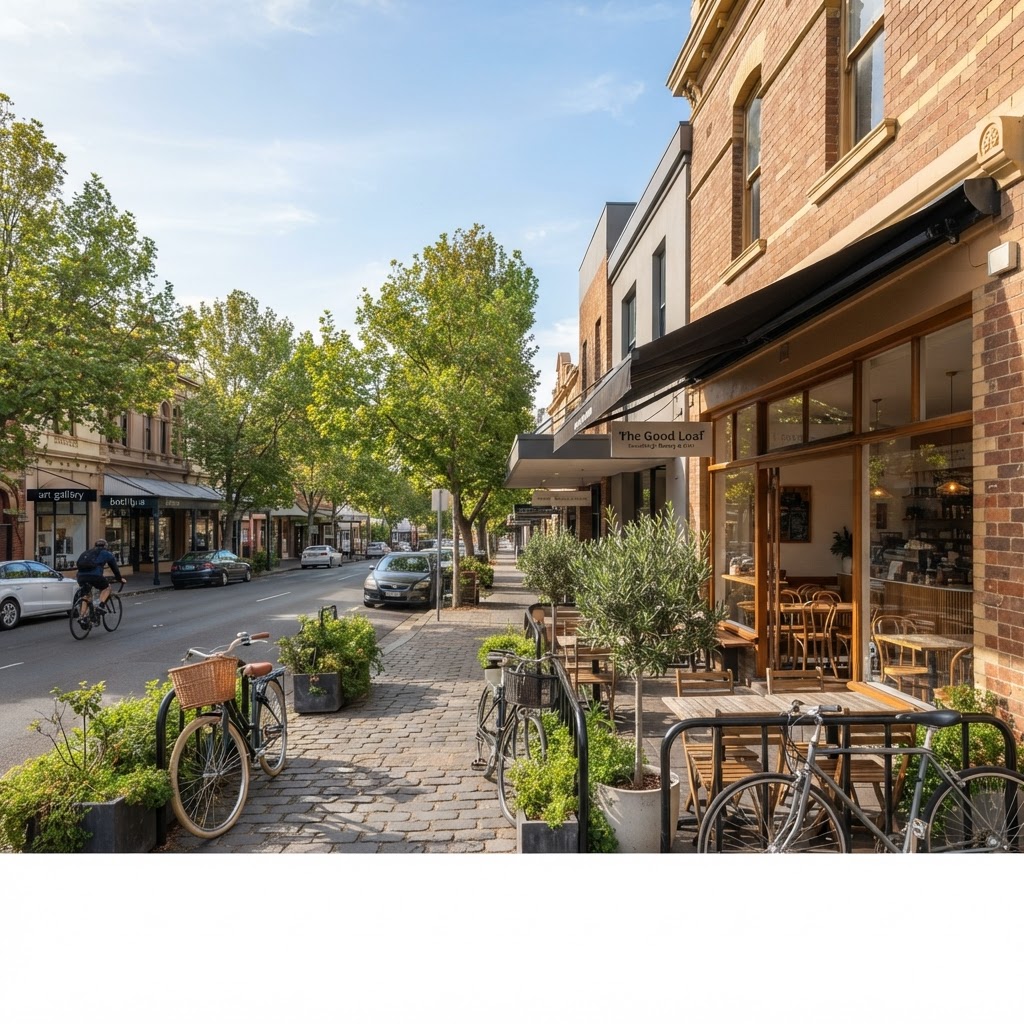
Bendigo retirees are tapping into the city’s rich community resources and affordable living options to shape their golden years with confidence. Local voices emphasize the importance of choosing the right neighbourhood, staying socially connected, and making use of tailored services to ensure a fulfilling retirement experience.
Why Retirement Planning in Bendigo Matters Now
Victoria’s Central Goldfields region, including Bendigo, is experiencing steady population growth among residents aged 65 and over, up 12.3% since 2021, according to the Australian Bureau of Statistics. With baby boomers entering retirement and housing affordability continuing to challenge urban centres, more people are examining Bendigo’s options for post-work life. Local government initiatives and private developments are expanding to meet these needs, but seniors stress the importance of informed choices based on lived experience.
Living and Thriving: Local Insights and Places
Residents recommend areas like Flora Hill and Long Gully for their blend of accessibility to inner-city amenities and quiet community feel. Local retiree groups gathered at the Bendigo Senior Citizens’ Club on Lyons Street recall the convenience of proximity to healthcare at Bendigo Health’s main hospital on Arnold Street as a top factor in their housing decisions.
Architecture students at La Trobe University’s Bendigo campus have collaborated with City of Greater Bendigo initiatives to design age-friendly housing prototypes tailored to the region, with features such as multigenerational living layouts and energy-efficient retrofits. In addition, the new Springside Village retirement development on McIvor Highway has drawn attention for its combination of independent living units and on-site care services, with units priced starting around $450,000, a competitive figure compared to Melbourne’s markets.
Social connections emerge as a vital component of daily life. Local groups like the Bendigo Probus Club and the Macedon Ranges Walking Group, which often meets in Lake Weeroona Park, offer structured opportunities to maintain friendships, stay active, and share experiences. Many retirees also credit Bendigo Regional YMCA for affordable fitness classes suited to all levels of mobility.
Data-Driven Details Accelerate Decision-Making
Bendigo’s cost of living for retirees remains approximately 15% below Melbourne’s, according to a 2026 regional cost index published by REMPLAN. This includes housing, food, and healthcare expenses. The current median house price in Bendigo sits at around $480,000, compared to over $900,000 in the state capital.
Public transport is another key consideration. The local V/Line service connecting Bendigo to Melbourne offers seniors a concession fare averaging $15 for a one-way trip, making visits to the city feasible without car dependency. Meanwhile, local services like Community Access Busting, operating Bendigo’s Dial-a-Ride system, provide free or low-cost door-to-door transport for elderly residents to attend medical appointments or social events.
Health and wellness support through Bendigo Health’s Geriatrics Department has grown, with waiting lists shortening due to increased staffing in 2025. In-home aged care services note growing demand but also improvements in timely provision, facilitated by the Commonwealth Home Support Programme offices housed at the Bendigo Neighbourhood House on Eaglehawk Road.
Retirees advise budgeting for additional costs like home modifications and private social activities. Some mention allocating an extra $300-$400 monthly for amenities and leisure. They also stress researching eligibility requirements for government and state subsidies that can lighten the financial load.
Practical Advice: What Comes Next
For those contemplating a move or lifestyle change, experts recommend early planning and connecting with local resources. The Greater Bendigo City Council recently updated their senior citizens’ portal with guides and contacts tailored to retirement queries. Visiting community hubs such as the Bendigo Senior Citizens’ Club and attending open house events at retirement villages like Springside Village can provide a realistic feel for options.
Building a social network should begin sooner rather than later. Joining local clubs, volunteering, or enrolling in courses at La Trobe University’s continuing education program can prevent isolation, a common challenge for new retirees. Transport plans, including understanding Dial-a-Ride services or community ride shares, should also be arranged upfront.
Finally, financial and legal planning remain essential. Local Bendigo firms specialising in elder law and retirement financial advice report increasing enquiries. Knowing the costs, government support schemes, and available services helps retirees live more independently and with greater peace of mind.
Ultimately, Bendigo offers a blend of affordability, community spirit, and healthcare accessibility that, when combined with informed local knowledge, can make retirement a rewarding next chapter for many.