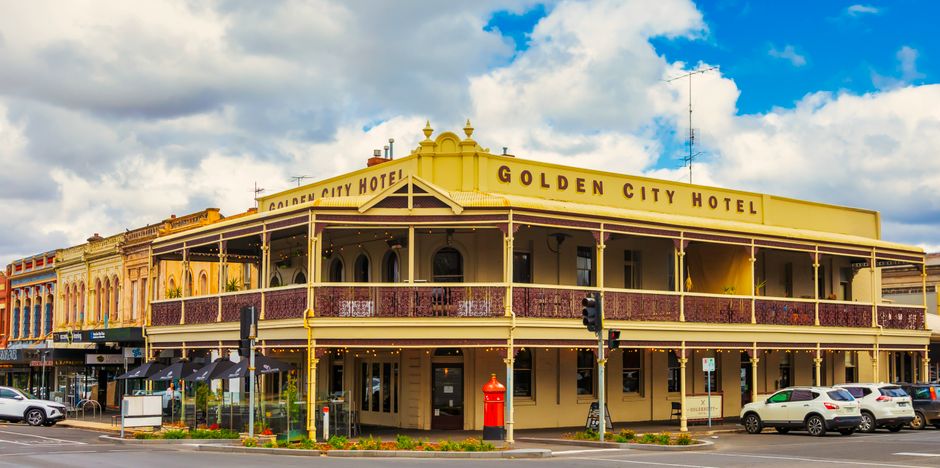
Bendigo has a problem most cities would kill for: it's still affordable. While Melbourne's inner suburbs now demand $1.2 million for a weatherboard cottage and Sydney's property prices have left first-home buyers gasping, Bendigo's established neighbourhoods remain accessible to ordinary workers. A three-bedroom Victorian terrace in Pall Mall or White Hills currently sits around $580,000 to $680,000-a fraction of what the same property would fetch across the border.
This price reality matters now because Australia's housing market has fractured. Young professionals are abandoning capital cities, remote work has untethered geography from employment, and developers are finally building in regional centres. Bendigo is catching this wave not as a speculative boom town but as a place where community ties run deeper than investment portfolios. The question for people considering a move here isn't whether they can afford a house-it's whether they're ready to trade the city's anonymity for something that actually functions like a neighbourhood.
Heritage streets and genuine connection
Walk Pall Mall on a Saturday morning and you'll see what separates Bendigo from the sterile property corridors of Sydney's inner west or Melbourne's Fitzroy. The street's Victorian and Edwardian shopfronts house working community spaces: the Bendigo Community Health Centre runs clinics here, independent bookshops still operate, local bakeries don't serve sourdough toast at $14 a slice. The Bendigo Pottery precinct in nearby West Bendigo-operating continuously since 1858-anchors an entire neighbourhood around craft and making, attracting artists and makers who've been priced out of capitals.
Compare this to Glasgow, the Scottish city that recently slashed violent crime through intensive community intervention programs. Glasgow had to rebuild trust from scratch after decades of decline. Bendigo already has it. The Bendigo Library's Active Ageing program draws 1,200 regular participants weekly, according to council data from 2024. The Bendigo Foodbank operates from secure funding, not perpetual crisis mode. These aren't quirky local touches-they're functional systems that prove neighbourhoods don't need to be wealthy to work.
What the numbers actually reveal
Median house prices in Bendigo's established suburbs range from $520,000 to $750,000 depending on proximity to the city core. Rental vacancy sits at roughly 2.8 percent, healthy enough that landlords can't demand six months' advance rent or refuse applicants with pets. Median household income sits around $78,000 annually, meaning housing consumes roughly 30 percent of income-the threshold most economists consider sustainable. In Melbourne's Northcote or Brunswick, that ratio pushes 45 percent.
The Bendigo Hospital redevelopment, completed in 2019 at $465 million, brought serious medical infrastructure to a regional centre. The city's unemployment rate hovers around 3.9 percent, below state average. These aren't flashy statistics, but they reveal something fundamental: Bendigo functions at a human scale. The CBD isn't a precinct for tourists to photograph for Instagram. View Street is where you actually buy groceries.
For people reconsidering city life-those working remotely who suddenly realised they were paying Melbourne prices for the privilege of sitting at a desk alone-Bendigo's neighbourhoods offer genuine alternatives. Not as a backup option for those who can't afford the capitals, but as a choice for people who've looked at both and prefer connection to convenience.
Start exploring specific streets before deciding. Spend a weekend afternoon in the Bendigo Botanic Gardens precinct or along the Rosalind Park trails. Talk to people at the Bendigo Saturday farmers market. Check rental and purchase listings to understand actual costs in your preferred neighbourhood. Then decide whether you're moving towards something or just away from somewhere expensive.