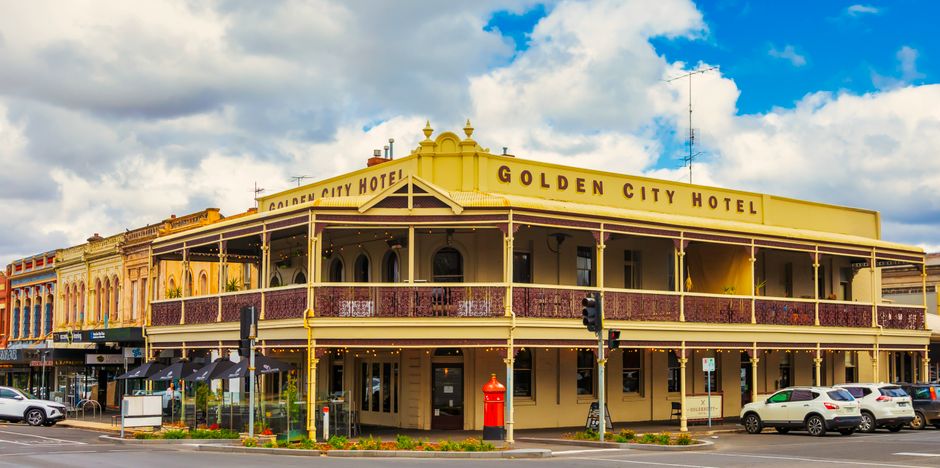
The rental market in Bendigo's premium postcodes has tightened dramatically over the past 18 months. A two-bedroom apartment in Eaglehawk now commands $2,100 per month, up from $1,650 two years ago. In the Pall Mall precinct-the city's beating commercial heart-studio apartments are pushing $1,400. The influx is real, and so are the rising rents.
Young professionals and families priced out of Melbourne's inner suburbs have discovered Bendigo's Victoria Street and the lakeside quarters around Lake Weeroona. What they found was affordable housing, genuine community infrastructure, and a lifestyle that doesn't require a $600,000 deposit just to rent. But that calculus is changing. The Bendigo and District Real Estate Institute recorded 847 residential sales in the first quarter of 2026, up 34 percent on the same period last year. Those numbers tell you everything about the velocity of change happening right now.
The city's liveability factors-hospitals, schools, employment hubs-remain strong. The Bendigo Health campus on Gowan Street employs 3,400 staff across acute and aged care services. La Trobe University's Bendigo campus at Hopetoun Street enrolls 5,600 students. These anchors matter. They mean jobs exist beyond hospitality and retail, which historically propped up the local economy.
Where your money actually stretches
Neighborhoods split into distinct tiers. The CBD fringe-anything within walking distance of Rosalind Park and the streetscape upgrades along Pall Mall completed in 2024-runs hot. Three-bedroom houses here fetch $680,000 to $750,000. Rent follows suit. You're paying for heritage architecture, cafe culture, and the 20-minute walk to everywhere that matters.
Move one suburb out to Kangaroo Flat or Junortoun and the equation shifts. A three-bedroom house lists between $450,000 and $520,000. Rentals for similar properties sit around $1,850 monthly. These areas have solid schools-Bendigo Senior Secondary College draws strong enrollment-and shopping centres like Bendigo's Marketplace, but they demand a car for daily navigation. The train station at Bendigo itself services three daily peak-hour services to Melbourne, making the commute viable but not convenient for regular travel.
West Bendigo, beyond the Bendigo Hospital, remains the genuine value play. Family homes rent for $1,200 to $1,500. Purchasing prices hover between $320,000 and $420,000. The trade-off is distance from the cultural institutions clustering near the Art Gallery of Ballarat Road and the performing arts venues downtown. Schools are adequate rather than aspirational. But if your priority is space and affordability, this is where money stretches furthest.
The practical realities of settling in
Before committing, understand what Bendigo requires. Winter temperatures drop to 6 degrees Celsius regularly; heating costs matter. Most rental properties here rely on reverse-cycle air conditioning rather than gas, which pushes winter electricity bills higher than Melbourne equivalents. Budget an extra $40 to $60 monthly for utilities compared to what you'd pay in outer suburbs like Werribee.
The Bendigo Public Library on View Street and the Bendigo Library Learning Centre offer genuine free community resources. The Bendigo Community Health Centre runs bulk-billed GP clinics. Public transport exists-the Bendigo Transit network operates 18 routes-but frequency and coverage don't match metropolitan standards. A car isn't optional if you're beyond a 3-kilometre radius of Pall Mall.
Employment beyond the major institutional employers requires flexibility. The Bendigo Business Alliance has documented job growth in professional services and creative industries over the past three years, but vacancies remain concentrated in healthcare, education, and construction trades. If your career depends on specialized roles, confirm opportunities exist before moving.
The window for finding affordable space in Bendigo's better neighborhoods is closing. Prices and rents are normalizing toward regional city standards rather than continuing as bargain alternatives to Melbourne. If you're considering the move, the next six months will feel materially different from the next six months after that.