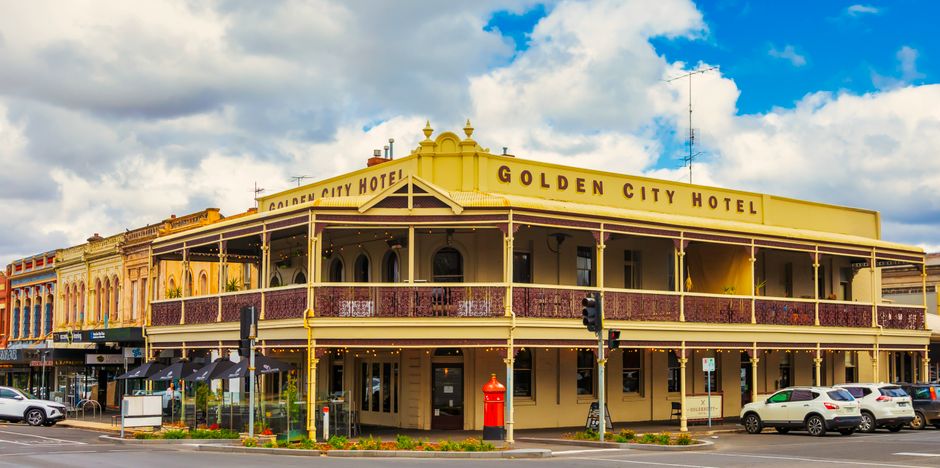
The Victorian property market's chill is pushing first-home buyers away from overheated coastal suburbs and into regional centres like Bendigo, where a different kind of neighbourhood renaissance is quietly underway. Unlike the speculative frenzy of previous years, this wave of residents is choosing Bendigo for reasons that have little to do with investment returns and everything to do with building actual lives here.
What's changed is the who and the why. Five years ago, Bendigo attracted retirees downsizing from Melbourne and investors calculating yield. Today, professionals working remotely are settling in suburbs like Kangaroo Flat and Strathfieldsaye with their children, choosing the 90-minute commute to Melbourne over the impossible maths of metropolitan mortgages. Single parents are renovating worker cottages on View Street. Hospitality workers priced out of inner-city rental markets are finding breathing room in suburbs like Golden Square. These aren't people taking a calculated risk on property appreciation. They're people looking for a place where their wages—and their lives—actually fit.
The physical anchors of these neighbourhoods tell the story. The Bendigo Community Health Services hub on Mitchell Street has expanded its mental health counselling by 40 per cent since 2023, responding to the stress of relocating families adjusting to regional life. The Bendigo Neighbourhood Houses network—operating centres across Kangaroo Flat, East Bendigo, and White Hills—has seen adult education enrolments double, with locals learning everything from digital literacy to community gardening. These aren't tourist attractions. They're the infrastructure that makes a neighbourhood function for ordinary people with ordinary problems.
Why Bendigo's growth looks different this time
The Australian Bureau of Statistics reported Bendigo's population grew by 1.8 per cent in the past financial year, faster than most regional Victorian centres. More telling is the demographic shift: 34 per cent of new residents are aged 25-44, a sharp reversal from the traditional age profile of regional migration. Median rental prices for a three-bedroom house in Bendigo hover around $1,850 per month, compared to $2,400 in equivalent Melbourne suburbs. For families earning $80,000 to $120,000 annually, that gap determines whether they can afford to stay.
But economics only explains half the story. Bendigo's existing community organisations are what make relocation actually stick. The Bendigo Sustainability Group runs fortnightly community gardens in Rosalind Park. The local library system provides after-school programs that working parents depend on. The Bendigo Theatre hosts over 150 performances yearly, with ticket prices that don't require choosing between culture and rent.
Talk to someone who moved here in the past two years and you hear variations on the same refrain: I wanted my kids to know their neighbours. I wanted to afford a house. I wanted to work from home without watching my entire salary disappear into a mortgage. Bend these together and you get people who are choosing Bendigo consciously, not desperately.
What comes next for these new neighbourhoods
The question facing Bendigo now is whether existing infrastructure can absorb this inflow without losing what attracted people in the first place. Primary schools in growth corridors like Kangaroo Flat are already running close to capacity. The transport network beyond the city's core remains car-dependent. Housing affordability—while better than Melbourne—is rising faster than wages for service-sector workers who make up a significant chunk of new arrivals.
Council planning documents released in May 2026 show significant investment in neighbourhood centres across growth areas, including new retail and community facilities in Strathfieldsaye. The Bendigo Community Health Services has submitted applications for additional mental health funding, flagging demand from people managing the upheaval of relocation.
For anyone considering a move to Bendigo, the practical calculus is straightforward: calculate your actual cost of living here, not just rent. Spend a weekend in the neighbourhood where you'd live, ideally on a weeknight and a Saturday. Talk to people working in service industries—they'll tell you whether your salary stretches. And understand that you're not buying a property bet. You're joining a community. For an increasing number of people, that distinction is exactly the point.