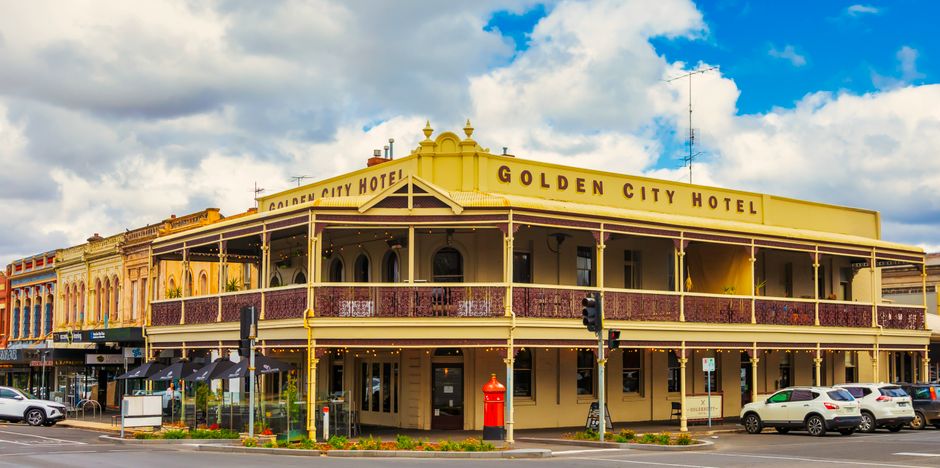
Walk down Pall Mall on a Wednesday morning and you'll see it immediately: the cafes are fuller than they were two years ago, the real estate agent windows show fewer sold stickers, and the people sitting outside are younger than you'd expect. Bendigo's inner suburbs aren't booming anymore. They're consolidating.
That matters because suburbs don't stay the same. When property values soften-median house prices in Bendigo have dipped 3.2 percent since early 2025-the people who can afford to stay change who moves in. Young professionals priced out of Melbourne suburbs are looking here. Empty nesters are reconsidering. Long-time residents watch the shops on their streets turn over. The question isn't whether Bendigo's neighbourhoods are changing. It's how fast, and whether the communities that form around that change actually stick.
Spend time in the core precincts and the pattern becomes clear. In Kangaroo Flat, along the High Street corridor where the old post office building now hosts a weekly farmers market on Saturdays, the conversation at the Bendigo Community Health Services drop-in clinic tends toward the practical: renters asking about affordable housing, families wondering if their kids will find local work. The volunteers there-mostly retirees, mostly people who've lived there 20 years or more-know the neighbourhood by its problems first. The street flooding every second winter. The gaps between the migrants moving into the weatherboard houses and the Anglo families who'd lived there since the 1970s.
Five kilometres south, in the tree-lined streets around White Hills, the story is different. The median property price here sits around $780,000, according to recent domain data. The community Facebook group-over 3,400 members-spends less time on infrastructure complaints and more on book swaps, school holiday programs, and the local primary school's fundraising drive. Here, the changing neighbourhood dynamic isn't about affordability. It's about identity. The families arriving from Melbourne bring money and experience in inner-city living. The long-term residents know the suburb as a family enclave where you raised kids and stayed put.
Where the neighbourhood actually lives
Community doesn't happen at the street level. It happens at the Bendigo Library's neighbourhood hub programs, at the community gardens where plots cost $150 a season, and at the small shopping strips where the owner of the hardware store knows what you're building before you tell him. The Strathdale Community Centre runs three neighbourhood programs a week. The Golden Square Neighbourhood House manages a food bank that serves 47 families monthly. These aren't invisible infrastructure. They're the places where neighbourhoods either function or fall apart.
The data tells you what's changing. Bendigo's population grew 2.1 percent last year, but growth concentrated in the outer suburbs-Epsom, Strathfieldsaye, Kangaroo Flat. The inner precincts are seeing demographic shifts instead. Household sizes in central Bendigo fell from an average of 2.4 people in 2016 to 2.1 in 2024, according to ABS figures. That means smaller households. Younger people without kids yet. Older couples downsizing. Different needs. Different priorities.
The practical fact is this: if you're choosing a Bendigo neighbourhood right now, you're not choosing based on what it was. You're choosing based on what it's becoming. White Hills trades on stability and schools. Kangaroo Flat offers affordable entry and diversity. The area around Pall Mall attracts people who want walkability and cafe culture, similar to what they'd find in Fitzroy or Brunswick-but with actual house space and a quarter of the price.
The neighbourhoods that weather this shift successfully are the ones where the infrastructure for community building already exists. Where the library system is well-funded. Where the local centres have consistent programming. Where the long-term residents and the newcomers actually see each other at the same places. Bendigo has those things. What happens next depends on whether they stay funded and whether both groups show up.