Bendigo's employment landscape is being reshaped by forces thousands of kilometres away. As geopolitical tensions in the Middle East and mining sector volatility create global supply chain headaches, local businesses are grappling with uncertainty that's translating directly into hiring freezes, wage stagnation, and a shift toward remote work arrangements.
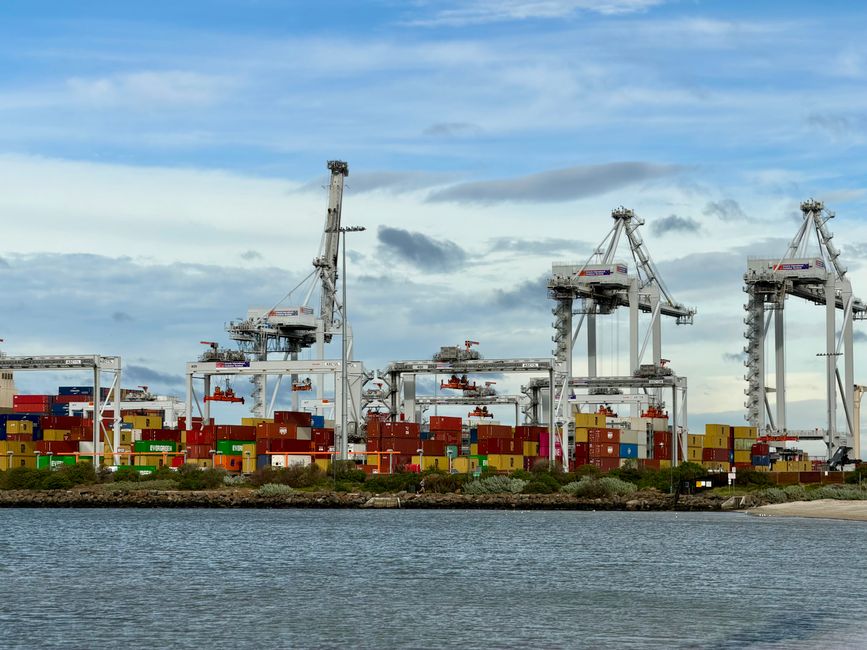
The effects are already visible along Pall Mall and throughout the CBD's commercial precincts. Manufacturing and logistics firms—cornerstones of Bendigo's economy—are reporting delayed shipments and inflated input costs. One prominent business owner noted that container shipping from Southeast Asia has become unpredictable, forcing companies to carry higher inventory costs and, consequently, postpone recruitment plans that were locked in for early 2026.
Employment agencies working from offices near the Bendigo Town Hall report a measurable slowdown in job placements compared to the same period last year. While unemployment remains relatively stable at around 4.8 per cent across the region, the composition of available roles is shifting. High-skill positions in technology and supply chain management are opening—reflecting global demand—while entry-level and administrative roles have contracted by roughly 12 per cent since March.
"Businesses are hedging their bets," explains one recruiter familiar with major employers across the Golden Square precinct and beyond. "They're investing in automation and upskilling existing staff rather than expanding headcount." Average salaries for skilled trades remain competitive at $68,000–$75,000 annually, but growth has plateaued.
The construction and hospitality sectors tell different stories. Tourism activity has remained robust, keeping venues around the Bendigo Visitor Centre and restaurant precincts reasonably buoyant. However, major infrastructure projects—traditionally reliable employment engines—face delays as project finance decisions hinge on international commodity prices and currency fluctuations.
For job seekers, the message is mixed. Those with qualifications in digital transformation, international logistics, or financial services remain in demand. But candidates in traditional sectors face longer application pipelines and stiffer competition. Bendigo's tertiary institutions are responding by adjusting curriculum toward fields aligned with global supply chain resilience and technological adaptation.
Business leaders across the city acknowledge that while Bendigo remains insulated from the worst global shocks—thanks to its diversified economy—the days of predictable, steady hiring are behind us. Companies are now building flexibility into workforce planning, anticipating that 2026 and beyond will require agility in ways the pre-pandemic era rarely demanded.
This article was compiled by AI from the sources linked above and screened before publishing. See our editorial standards.