What Every Bendigo Shopper Needs to Know About Global Trade Tensions
As international disputes escalate, local economists warn that supply chains and everyday prices are about to shift—here's what it means for your wallet.
3 min read
As international disputes escalate, local economists warn that supply chains and everyday prices are about to shift—here's what it means for your wallet.
3 min read
When you pick up groceries at Coles on View Street or browse the homewares at Myers in the Bendigo Central precinct, you're already feeling the ripple effects of global trade disruptions. But most residents don't realise how deeply geopolitical tensions thousands of kilometres away are reshaping what they pay and what they can buy.
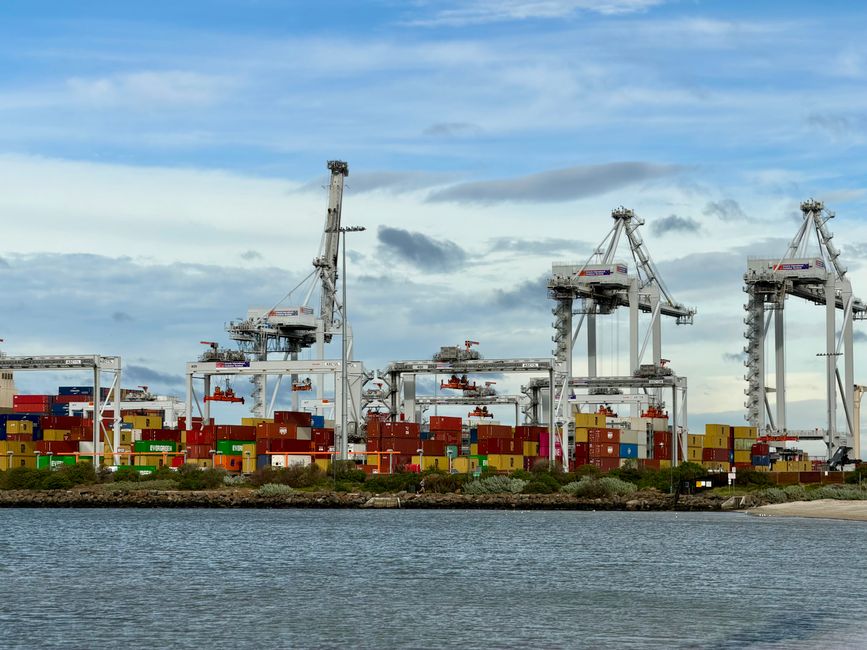
The current instability across the Middle East and South Asia is creating genuine headwinds for Australian businesses that depend on international supply chains. Bendigo, with its strong manufacturing heritage and growing export sectors, is no exception. Freight costs are climbing. Shipping routes are becoming unpredictable. And those pressures eventually land in your shopping basket.
Take textiles and light manufacturing—sectors where Bendigo still employs hundreds of workers. Companies sourcing materials from Asia or exporting finished goods face mounting uncertainty. Insurance premiums for shipping have spiked. Lead times have stretched. A retailer ordering summer stock in January might not receive it until March. That creates scarcity, which creates price pressure.
Fuel prices are particularly sensitive to Middle Eastern volatility. A tightening in oil supplies or disrupted tanker traffic doesn't just affect petrol at service stations on High Street—it affects every business that relies on transport, from local manufacturers to restaurants. A 10-cent-per-litre swing in fuel costs can mean the difference between viability and closure for small operators.
Currency fluctuations add another layer. When global uncertainty rises, investors pull money out of currencies like the Australian dollar. A weaker dollar makes imports more expensive—everything from electronics to vehicle parts becomes costlier for local businesses, costs they often pass to consumers.
Bendigo's business community is increasingly interconnected globally. Our manufacturing firms export to Asia and Europe. Our professional services support international clients. Our agricultural sector sends produce overseas. When tariffs shift, when shipping becomes unreliable, or when trade partners become unreliable, local businesses feel it acutely.
What should residents understand? First, price increases on everyday items aren't random—they often reflect genuine cost pressures upstream. Second, supply shortages may emerge for products you've taken for granted. Third, it's worth supporting local suppliers where possible; they're typically less vulnerable to international shocks than businesses dependent on complex global supply chains.
Keep an eye on local business news over coming months. Bendigo's economy is resilient, but staying informed helps you navigate the changes ahead.
This article was compiled by AI from the sources linked above and screened before publishing. See our editorial standards.
Spread the word
About this article
Published by The Daily Bendigo
Daily brief
Free, in your inbox before 7am. Weekdays.