Global Tensions, Local Impact: How Bendigo's Import-Export Traders Navigate a Fractured World
As geopolitical friction reshapes international supply chains, Bendigo's entrepreneurs are adapting fast—or facing existential pressure.
2 min read
As geopolitical friction reshapes international supply chains, Bendigo's entrepreneurs are adapting fast—or facing existential pressure.
2 min read
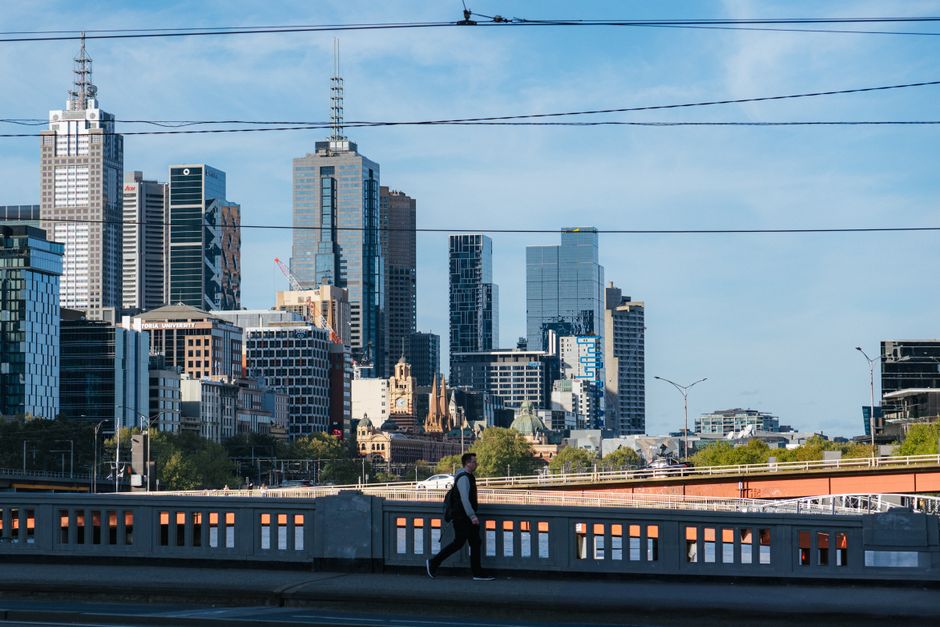
Walk down Pall Mall on any given weekday and you'll see the backbone of Bendigo's economy: small business owners juggling spreadsheets, shipping manifests, and an increasingly unpredictable global landscape. For entrepreneurs in import-export, manufacturing, and international trade, the past fortnight has felt particularly volatile.
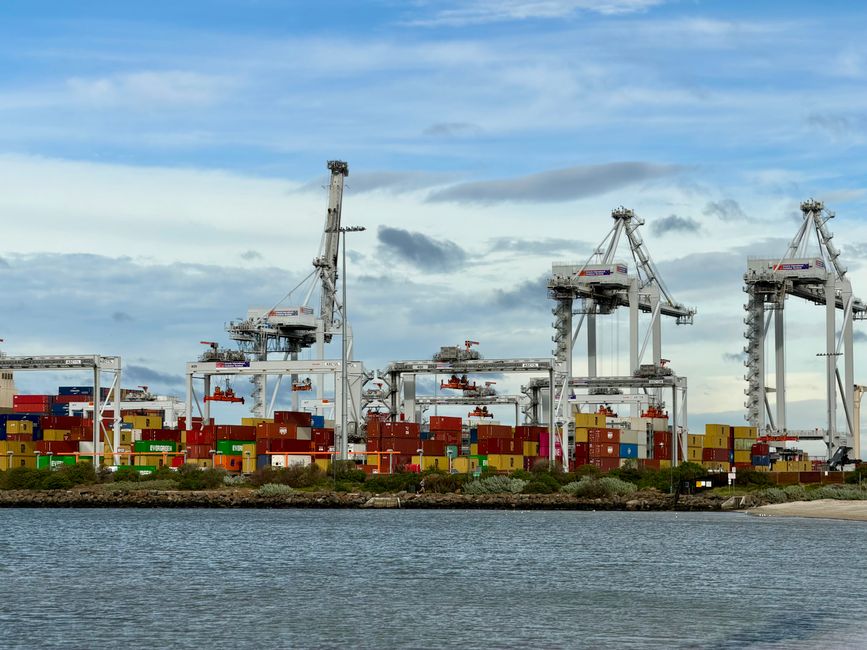
The recent diplomatic tensions between major powers have sent shockwaves through Bendigo's business community. Several traders operating from the Bendigo Business Park have reported significant delays in shipments from the Middle East and South Asia—critical sourcing regions for everything from textiles to electronics components. One local manufacturing firm, which typically processes imports within two weeks, now faces delays stretching to six weeks, forcing warehouse costs to climb above $15,000 monthly.
"The uncertainty is the killer," explains Sarah Chen, owner of a mid-sized logistics coordination business operating from Queen Street. "Our clients need predictability. When global markets are this volatile, freight costs spike, insurance premiums jump, and routes become unreliable."
Bendigo's manufacturing sector—particularly operations around the industrial precincts near Epsom and Strathfieldsaye—has historically relied on predictable Asian supply chains. But geopolitical friction affecting Pakistan, Afghanistan, and Iran regions has created bottlenecks that trickle directly into local production schedules. A metalworking business near View Street reported a 12 per cent increase in input costs over three months, margins already tight in competitive markets.
Yet crisis breeds adaptation. Several Bendigo entrepreneurs are diversifying sourcing strategies, exploring suppliers in Vietnam, India, and Mexico to reduce geographic dependency. The Bendigo Chamber of Commerce has fielded increased inquiries about alternative logistics partnerships and regional trade agreements.
Digital transformation is accelerating too. Small traders who might once have relied on traditional brokers are increasingly using real-time supply chain tracking platforms, allowing them to pivot faster when routes become untenable.
The broader lesson is stark: Bendigo's small business economy, while rooted locally, operates within genuinely global systems. A political standoff thousands of kilometres away directly affects whether a local manufacturer meets deadlines, whether a retailer pays premium prices for stock, or whether a family business survives another quarter.
As international relations remain fraught, the challenge for Bendigo's entrepreneurs is clear: build resilience through diversification, embrace technology for transparency, and recognise that staying competitive in 2026 means understanding geopolitics as much as managing books.
This article was compiled by AI from the sources linked above and screened before publishing. See our editorial standards.
Spread the word
About this article
Published by The Daily Bendigo
Daily brief
Free, in your inbox before 7am. Weekdays.