Global Trade Turbulence: What Bendigo Shoppers Need to Know About Rising Tensions Abroad
Escalating international conflicts and trade disruptions are already reshaping what you pay at the checkout—and could get worse.
2 min read
Escalating international conflicts and trade disruptions are already reshaping what you pay at the checkout—and could get worse.
2 min read
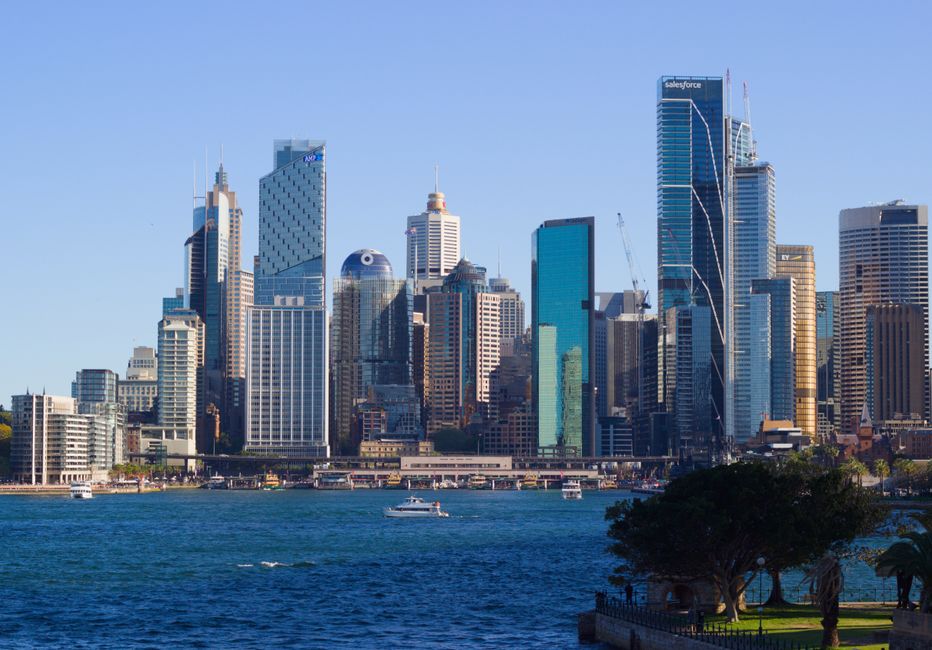
While Bendigo's CBD bustles with activity along Pall Mall and around the Bendigo Market, the ripple effects of international tensions are quietly reshaping what locals pay for everyday goods.
Recent geopolitical flashpoints—from Middle Eastern standoffs to emerging trade restrictions—are tightening supply chains and driving up costs across retail, hospitality, and manufacturing sectors. For residents, this means the price of imported goods, fuel, and even fresh produce could climb further in coming months.
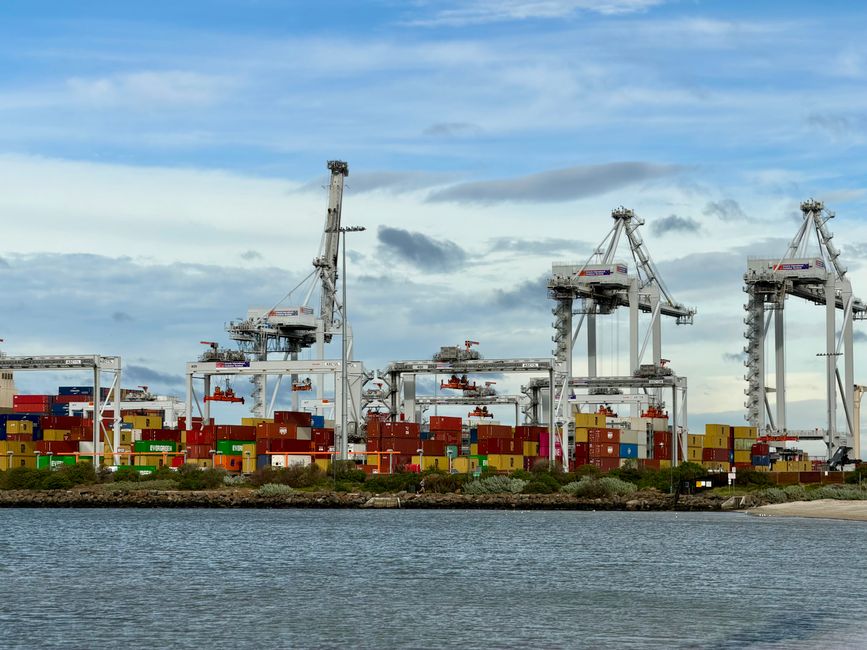
The mechanics are straightforward. When regional conflicts disrupt shipping routes or trigger economic sanctions, freight costs spike. When shipping costs rise, retailers pass those expenses to consumers. A coffee at a Pall Mall café, fresh seafood at the market, or clothing at local boutiques—all rely on international supply chains that are increasingly volatile.
Local business owners are already feeling the strain. Bendigo's hospitality sector, which draws international visitors and relies on imported wines, spirits, and speciality ingredients, has absorbed margin pressures. Manufacturing operations across the region—from engineering to food processing—face unpredictability in raw material sourcing and shipping timelines that weren't challenges two years ago.
Currency fluctuations compound the problem. Australian exporters benefit when the dollar weakens, but importers—and therefore consumers—pay more for overseas goods. Bendigo's agricultural exporters to Asia and Europe face uncertainty, while local retailers stocking imported products face tighter profit margins or higher shelf prices.
What should everyday residents understand? First, expect gradual price increases on imported goods—electronics, clothing, specialty foods, and fuel are most vulnerable. Second, supply shortages are possible; some items may become temporarily unavailable as logistics networks reorganise. Third, interest rates and inflation remain linked to global stability, affecting mortgages and savings.
Local businesses are adapting. Some are diversifying suppliers, increasing local sourcing, or negotiating longer-term contracts to lock in prices. Consumers can do the same: buy local where possible—Bendigo's farmers markets and local producers offer both economic resilience and fresher alternatives—and consider non-perishable purchases before expected price increases.
The global economy isn't separate from life on Pall Mall or in suburbs like Kangaroo Flat and Golden Square. International trade shapes what we buy, what it costs, and how readily it's available. Understanding these connections helps Bendigo residents navigate the economic year ahead with eyes wide open.
This article was compiled by AI from the sources linked above and screened before publishing. See our editorial standards.
Spread the word
About this article
Published by The Daily Bendigo
Daily brief
Free, in your inbox before 7am. Weekdays.