Bendigo Multicultural Communities: Integration Stories
Discover how Bendigo's migrant communities are reshaping neighborhoods like North Bendigo and Golden Square. Hear their integration experiences and belonging challenges.
3 min read
Discover how Bendigo's migrant communities are reshaping neighborhoods like North Bendigo and Golden Square. Hear their integration experiences and belonging challenges.
3 min read
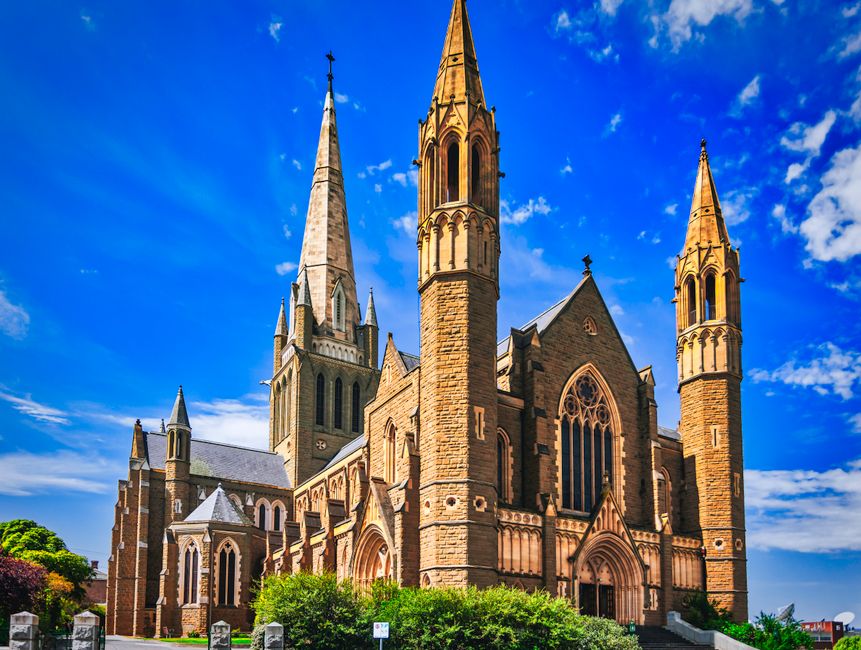
Walk down Pall Mall on any Saturday afternoon and you'll hear conversations in Mandarin, Arabic, Hindi, and a dozen other languages. Bendigo's transformation into a genuinely multicultural city has accelerated dramatically over the past five years, yet the stories of those navigating this shift remain largely unheard.
The latest census data shows that residents born overseas now comprise nearly 28 percent of Bendigo's population, with significant communities from China, India, Sudan, and the Philippines establishing themselves across the city's traditionally Anglo-Saxon neighbourhoods. Areas like North Bendigo and Golden Square have become particularly diverse, reshaping local schools, workplaces, and social institutions.
For many community members, the experience has been profoundly positive. At the Bendigo Multicultural Centre on View Street, staff work with over 15 distinct migrant groups each week, offering English classes, employment assistance, and cultural programming. Yet behind the welcoming façade, community voices reveal deeper tensions worth examining.
Housing affordability emerges as a critical concern. Rental prices across Bendigo have risen 34 percent since 2021, placing significant pressure on newly arrived families clustering in cheaper pockets of the city. Meanwhile, employment barriers persist despite professional qualifications—credential recognition remains a bureaucratic maze that keeps many skilled migrants underemployed.
The education sector shows particular strain. Local primary schools in multicultural areas report that 40 percent of students have English as an additional language, requiring significant resource allocation. Teachers at Bendigo Primary and Strathfieldsaye Primary describe both enrichment and challenge in managing diverse learning needs.
Yet community members consistently emphasise agency rather than victimhood. At the Bendigo Refugee Advocacy Network, volunteers highlight how newer arrivals contribute economically and socially—through small business creation, volunteer work, and cultural contributions that enliven the city's identity.
The tension appears to centre on pace and support. Long-term residents and newly arrived migrants alike express frustration that integration infrastructure hasn't kept pace with demographic change. Community leaders call for expanded English programs, faster credential recognition pathways, and genuinely inclusive employer networks.
As Bendigo positions itself as a destination for skilled migration and humanitarian settlement, the voices of those experiencing this transformation firsthand deserve prominence in planning conversations. Success won't emerge from tokenistic multiculturalism, but from honest dialogue about resources, employment equity, and genuine belonging.
The question isn't whether Bendigo will remain multicultural—that trajectory is clear. The question is whether the city will actively support the integration that makes diversity an asset rather than a source of fragmentation.
This article was compiled by AI from the sources linked above and screened before publishing. See our editorial standards.
Spread the word
About this article
Published by The Daily Bendigo
Daily brief
Free, in your inbox before 7am. Weekdays.