Wellness
How to Sleep Better in Bendigo: Temperature, Light & Noise
Control bedroom temperature, light exposure and sound to improve sleep quality. Three evidence-based environmental factors Bendigo residents can adjust today.
2 min read
Wellness
Control bedroom temperature, light exposure and sound to improve sleep quality. Three evidence-based environmental factors Bendigo residents can adjust today.
2 min read
Listen to this article · 3:38
A good night's sleep is one of the most underrated wellness investments we can make. Yet many Bendigo residents are losing precious rest to environmental factors they can easily control: temperature, light and noise.
Temperature is the foundation of quality sleep. Sleep researchers consistently recommend a bedroom temperature between 16–19 degrees Celsius. During Bendigo's warmer months, this can be challenging. Simple solutions include investing in breathable cotton sheets (available at major retailers along Mitchell Street for $40–$80), using a ceiling fan, or opening windows early morning and late evening to create cross-ventilation. If you exercise in the late afternoon—whether at Rosalind Park or along the Bendigo Creek recreational trail—allow your core body temperature to cool naturally for at least two hours before bed.
Light exposure directly influences melatonin production, the hormone that regulates your sleep-wake cycle. Artificial light from phones, tablets and overhead lights can suppress melatonin, keeping you alert when you should be winding down. In winter, when Bendigo experiences shorter daylight hours, exposure to natural morning light becomes even more important. A 20-minute walk through Rosalind Park or along the Murray to Mountains Rail Trail within two hours of waking can help reset your circadian rhythm. At night, consider blackout curtains (typically $30–$60 from local hardware stores) or a simple eye mask to block streetlights and early winter sunrise.
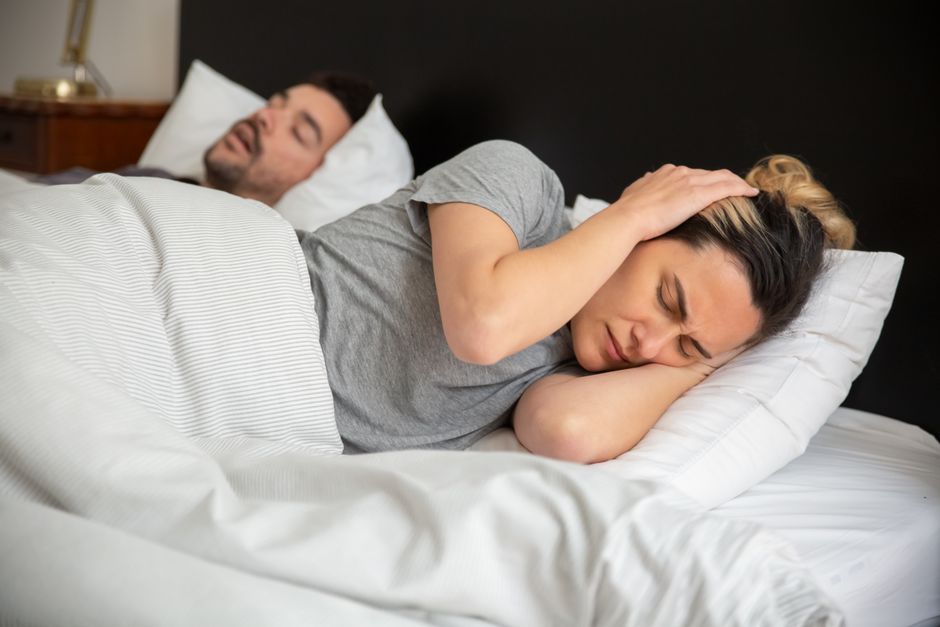
Noise sensitivity varies widely, but consistent background sound—from traffic near major roads, neighbours, or partners—disrupts sleep architecture. If you live in busier areas like the Golden Square or Strathfieldsaye suburbs, noise-reducing earplugs ($10–$25) or a white noise machine ($50–$150) can create acoustic distance. Many people find success with apps or YouTube recordings of rainfall or creek sounds—a gentle nod to Bendigo's own waterways.
The interaction between these three factors matters most. A cool, dark, quiet room creates ideal conditions for 7–9 hours of restorative sleep—the recommended target for most adults. Experiment with adjusting one variable at a time over 2–3 weeks to identify what works for your body.
If poor sleep persists despite environmental optimisation, or if you suspect a sleep disorder, contact your GP or the sleep medicine services at Bendigo Health. Quality sleep is a cornerstone of long-term wellness, enabling everything from better recovery after exercise to improved mental health and daytime energy.
This article was compiled by AI from the sources linked above and screened before publishing. See our editorial standards.
Spread the word
About this article
Published by The Daily Bendigo
Daily brief
Free, in your inbox before 7am. Weekdays.