sport
Bendigo's Community Sport Movement Thrives on Local Loyalty, Not Headlines
Forget World Cup semi-finals and pro-league labour disputes: the real story in youth sport is the quiet, determined work happening on Bendigo's suburban ovals and school courts.
How we reported this
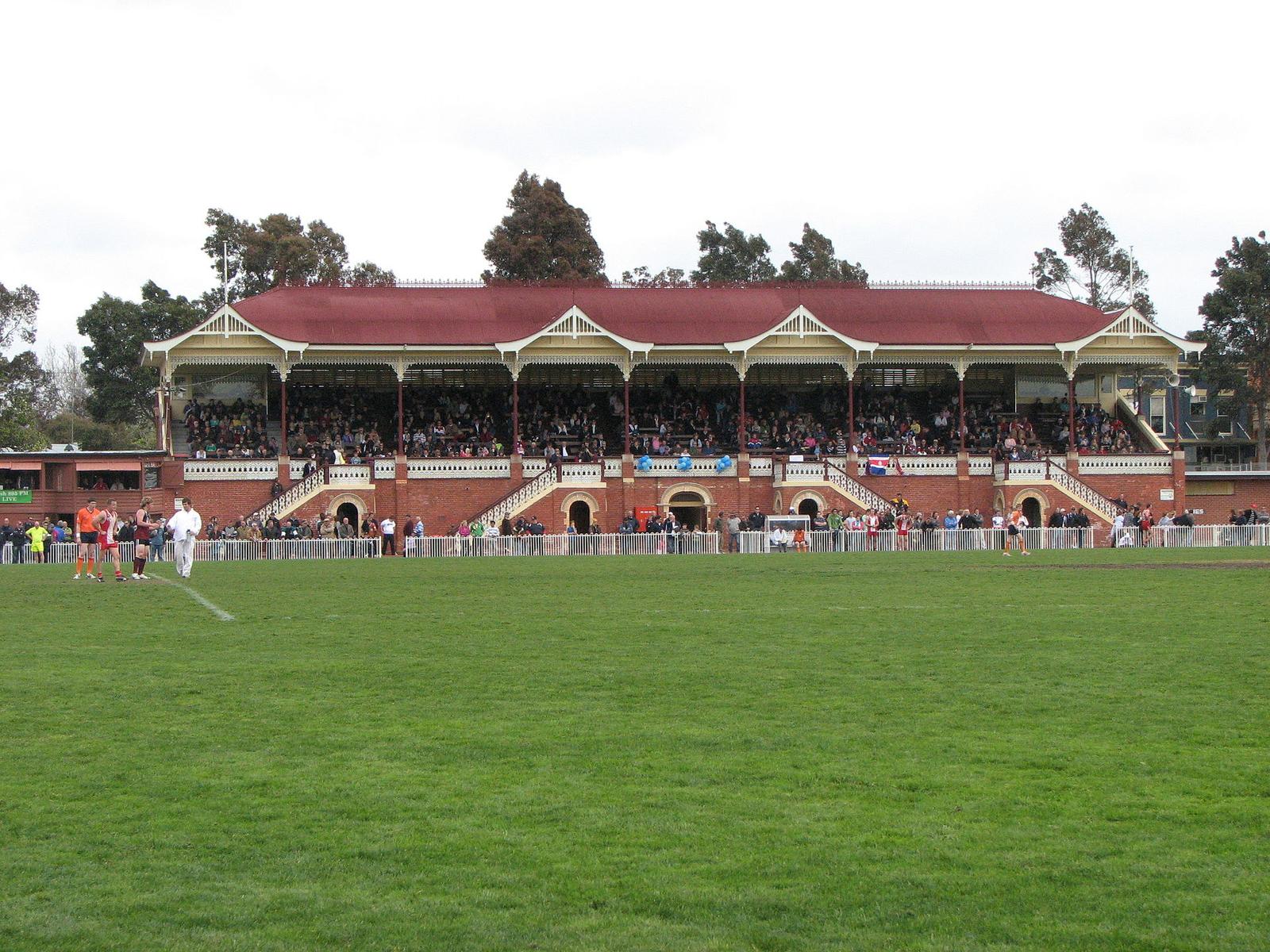
Far from the roar of World Cup semi-finals in Europe or the noise of a potential A-League strike back home, Bendigo's community sport movement is proving that the health of the game isn't measured in TV ratings or collective-bargaining agreements. It's measured in the numbers of kids turning up to local ovals on a Tuesday night.
The headlines this week have been dominated by France v Spain in the World Cup semi-final, by the threat of strike action hanging over the new A-League season, and by David Squires’s latest cartoon lampooning England’s high-wire act. But for the volunteers, coaches and parents in Bendigo, the biggest game of the week is often the one that doesn't make the news. That disconnect between the professional game and the local park is exactly why grassroots sport matters, and why Bendigo's own movement deserves its own spotlight.
Ovals, Courts and a Whole Lot of Volunteers
The story of Bendigo’s youth sport movement isn’t written in the boardrooms of Football Australia or the huddle rooms of European giants. It's written on the grass of the Bendigo Regional Soccer Facility at Epsom, on the netball courts at Bendigo Stadium, and on the footy ovals of the Bendigo JFL. Parents chaperone under lights, volunteers wash jumpers, and local clubs scrap for grant funding to replace a broken sprinkler. This is the engine room. It’s here that the numbers actually count-participation registrations, not advertising revenue.
On Bastille Day, as Tadej Pogacar extended his Tour de France lead and the Wizards shut down NBA summer-league prospect AJ Dybantsa after just two games, Bendigo kids were likely still kicking a ball or shooting hoops. The city’s sport movement doesn’t rise or fall on the result of a World Cup semi-final or a strike deadline. It moves at its own pace, built on the simple, unglamorous belief that playing sport is better than not playing sport.
Local Loyalty Beats League Politics
The shadow of the A-League’s industrial dispute is real. As Joey Lynch reported this week, strike action threatens the new season just as the post-World Cup glow fades. But in Bendigo, that kind of top-down tension often feels like a distant storm. The local worry is more immediate: can we find another coach for the under-12s? Will the council maintain the lights? Those aren't questions for the PFA or the FFA; they're questions for a phone call between a club president and a council officer. That’s the grassroots story-the one that doesn’t get a live blog or a cartoon. It's the story of people showing up, week after week, because they believe in the value of community sport.
Looking ahead, the challenge for Bendigo's community sport movement is the same as it has ever been: sustaining that loyalty when the world keeps throwing distractions. The next big match overseas won't change the need for a netball roster on a Saturday morning. The strike deadline in the A-League won't solve the Bendigo team’s need for a working scoreboard. The lesson from the headlines is simple-the real work of youth sport happens far from the cameras, and it's happening every night in Bendigo. The best way to support it is to keep turning up, keep volunteering, and keep caring about the local game.