Sport
Bendigo's fitness boom: participation data reveals a city on the move
New figures show local sports centre visits up 18% year-on-year, but gender and age gaps persist in the region's active-recreation habits.
3 min read
Updated 3 h ago
Sport
New figures show local sports centre visits up 18% year-on-year, but gender and age gaps persist in the region's active-recreation habits.
3 min read
Updated 3 h ago
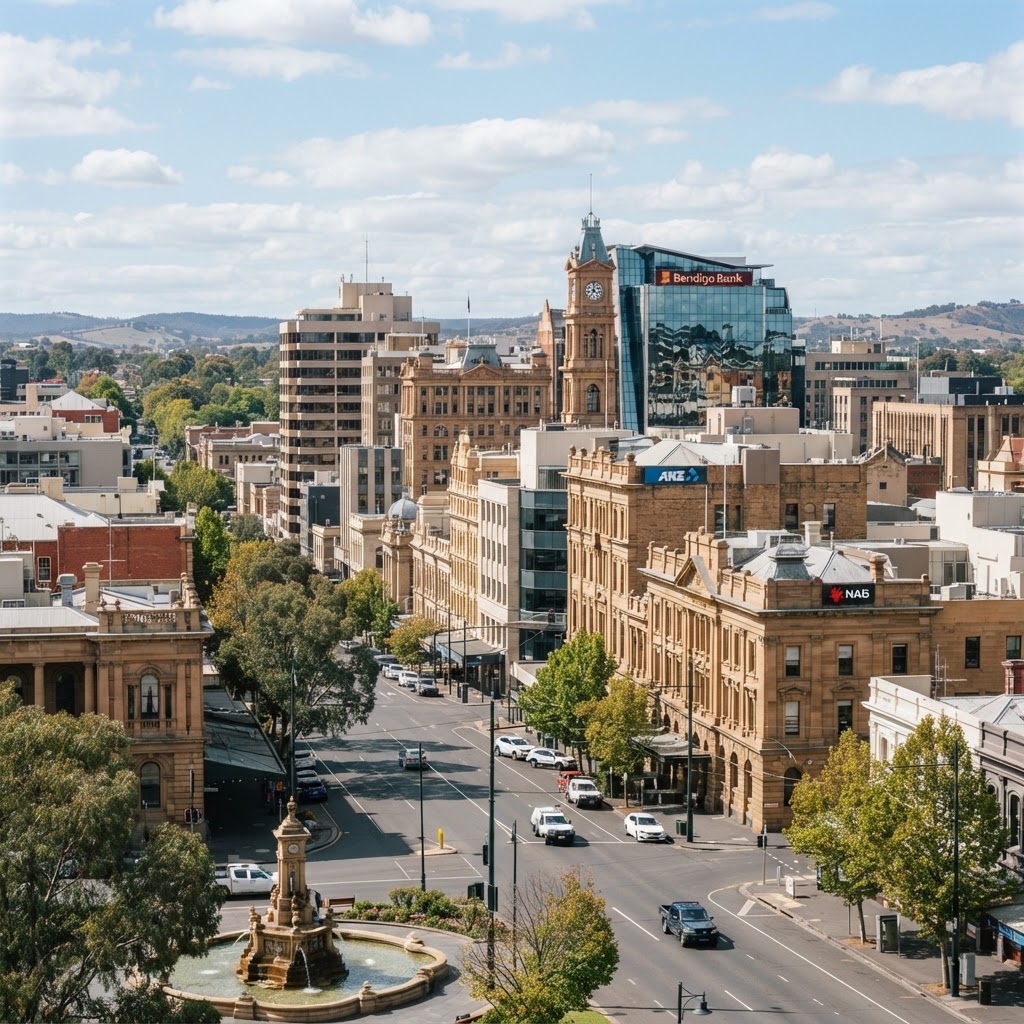
Bendigonians are flocking to gyms, pools and playing fields at record rates, according to the latest participation data compiled by the City of Greater Bendigo. Total weekly visits to the council's 14 major sports and recreation facilities hit 47,300 in June 2026, an 18% increase compared with the same month last year. The figures, released to The Daily Bendigo under a routine quarterly report, confirm what many local coaches and facility managers have suspected: the post-World Cup glow, however faint nationally, has translated into genuine local habit change.
The numbers arrive at a fragile moment for Australian sport. National headlines this week focused on strike action threatening the new A-League season, with the players' union and clubs locked in a stoush over a collective bargaining agreement. The pattern is familiar: a World Cup lifts interest, then industrial wrangling and media fatigue let the momentum fizzle. Bendigo appears to be bucking that trend. Council recreation officer Megan Tran told The Daily Bendigo the city's growth is being driven by repeat visits rather than one-off curiosity seekers. 'We're seeing people come back three and four times a week, not just try something once and drop it,' she said.
The breakdown reveals clear gender and age patterns. Women aged 25 to 44 account for the largest cohort of new members at the Bendigo Regional Aquatics Centre, up 22% since January. Men in the same age bracket, by contrast, show only a 6% increase. Junior participation, measured at the Bendigo Sports and Leisure Centre on Napier Street, grew 11% in the first half of 2026, driven largely by after-school basketball and futsal programs. Seniors (65+) remain the slowest-growing group, with visits flat at about 2,800 per month across all council facilities.
While the overall trend is positive, the data exposes stubborn participation gaps. The council's quarterly report, published on 30 June, notes that only 12% of registered users live in the outer suburbs of Eaglehawk and Kangaroo Flat, despite those areas containing roughly 28% of the city's population. 'Transport and cost remain barriers,' Tran said. 'A 12-month family membership at the aquatic centre runs $1,240. That's beyond reach for many households in those postcodes.' The report does not include income data, but it recommends a targeted subsidy trial in the 2027-28 budget cycle.
The facility that has seen the sharpest increase is the Bendigo Netball Complex on Howard Street. Membership there jumped 31% in the past 12 months, which facility manager Darren Li described as 'unprecedented'. Li told The Daily Bendigo the club had to add three training nights to accommodate demand. 'We've got waitlists for our junior development squad for the first time in a decade,' he said.
What happens next depends on capacity. The council's current capital works plan, adopted in April 2026, allocates $4.2 million for a two-court extension at the netball complex, with construction slated to begin in September. No timeline has been set for upgrades at the Eaglehawk or Kangaroo Flat facilities. For now, residents looking to join the fitness wave should check council's website for off-peak discounts and casual-pass options, which the quarterly report says are underutilised by first-time users. The city that used to watch sport on screens is increasingly lacing up its runners and showing up in person.
Sport
Sport
Sport
Sport
Sport
Sport
About this articleBeta
Published by The Daily Bendigo
Spread the word
Daily brief
Free, in your inbox before 7am. Weekdays.
The Daily Network — local news across Australia