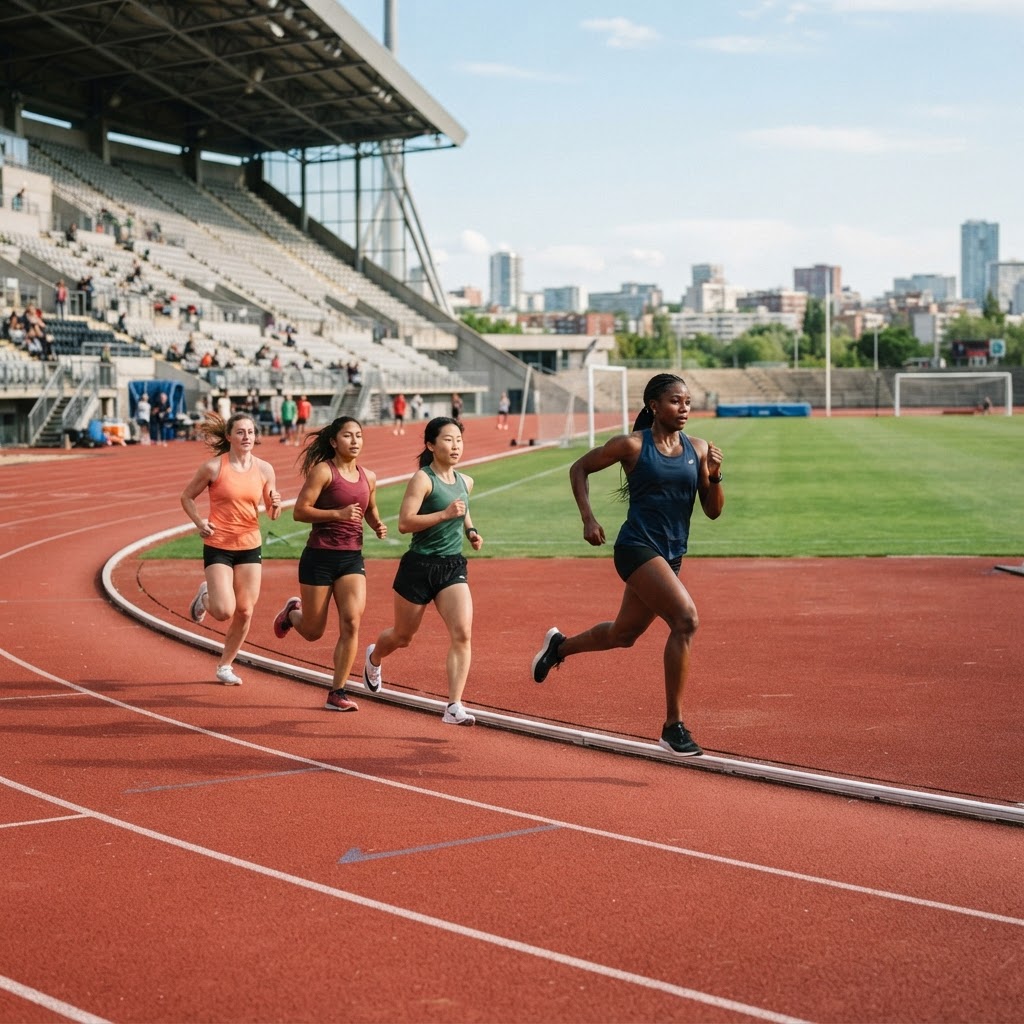
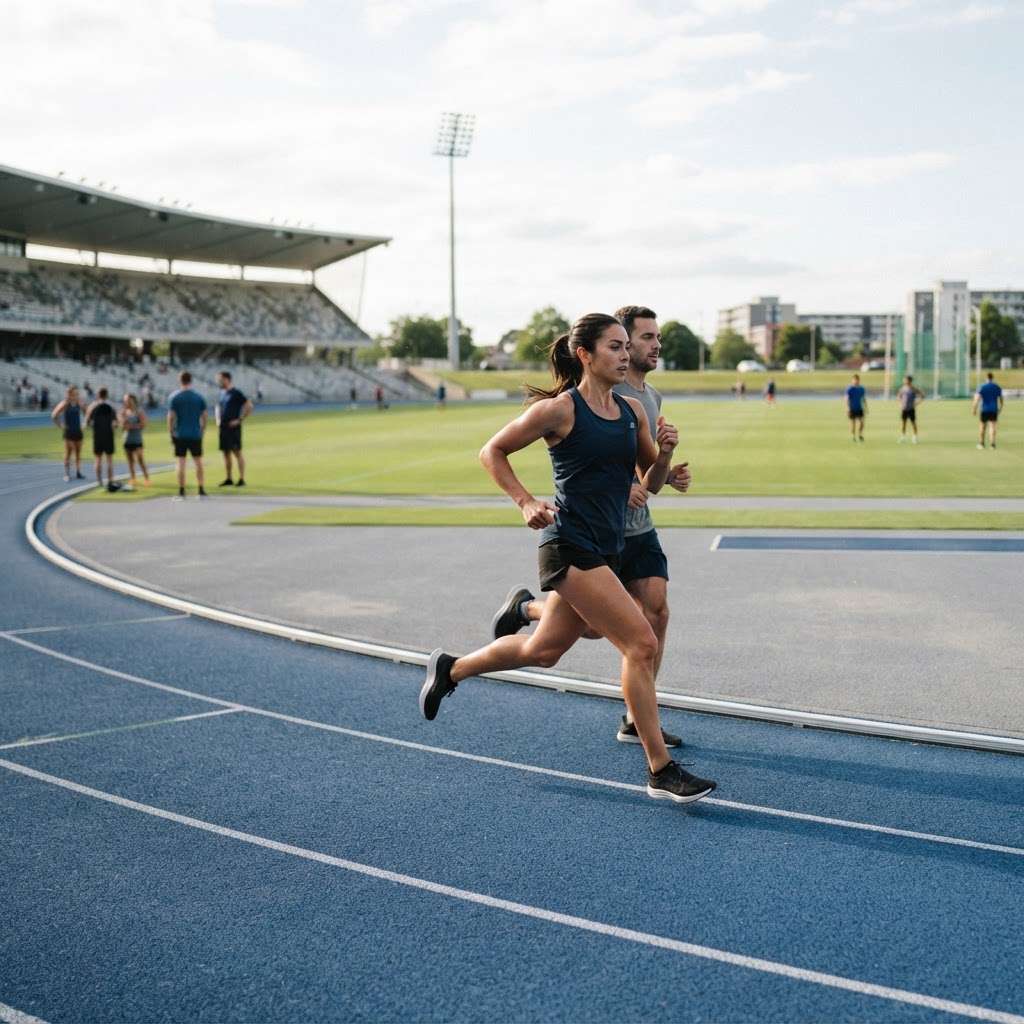
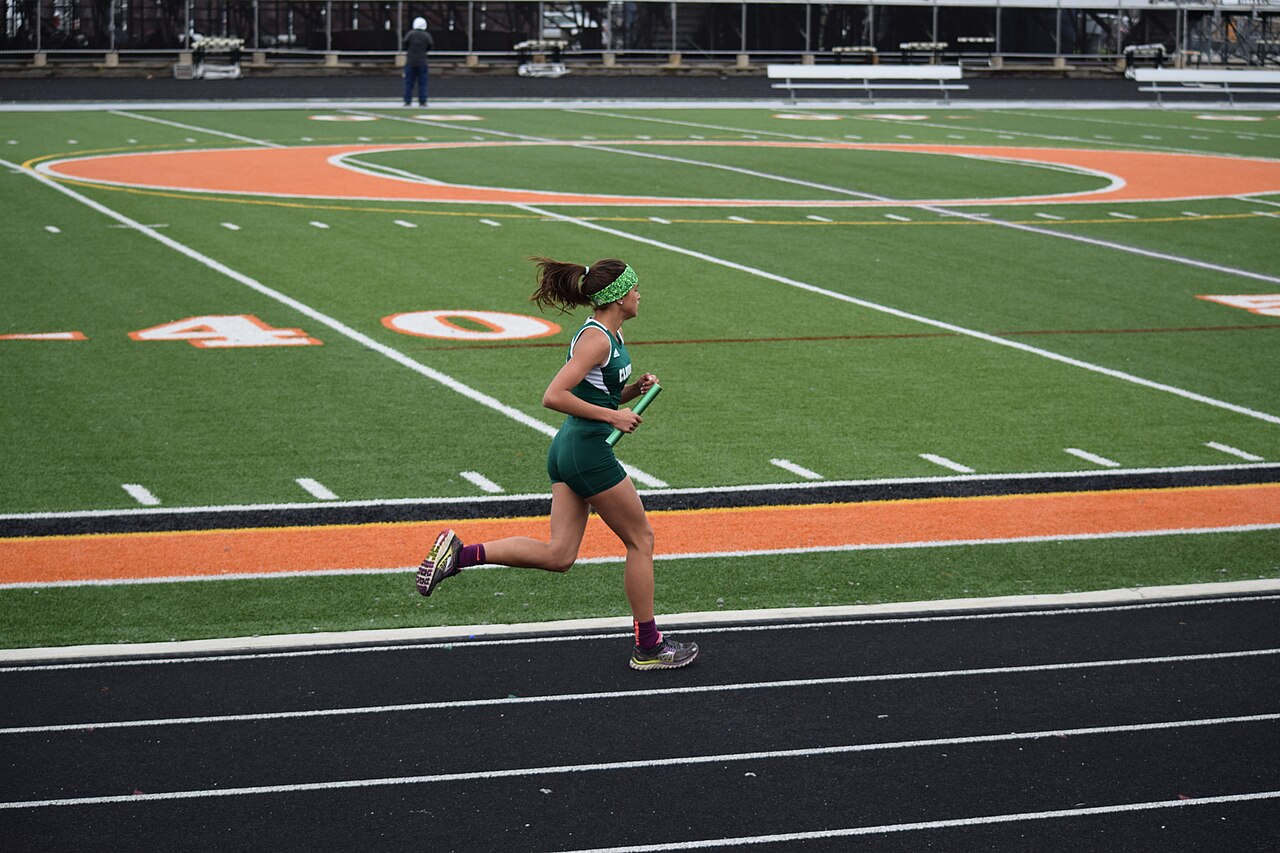
Bendigo’s sports fields, courts and stadiums are getting a closer look this month as the city’s sporting bodies assess what’s needed to keep local competition alive. The Queen Elizabeth Oval, the Bendigo Stadium on Nolan Street and the East Bendigo netball courts remain the key pillars of a network that serves tens of thousands of participants each year.
The timing matters. With the World Cup semi-finals playing out overseas and the A-League facing strike action that threatens the new season back home, the gap between elite-level spectacle and local infrastructure has never felt wider. In Bendigo, where winter sport season is hitting its busiest stretch, the condition of change rooms, floodlights and surfaces is the quiet conversation behind every weekend fixture.
What’s on the ground
The Queen Elizabeth Oval, home to the Bendigo Football Netball League, regularly hosts crowds of several thousand for senior football and netball matches. The ground’s turf surface has held up through a dry winter, but drainage issues on some secondary ovals have forced junior clubs to adjust training schedules. Bendigo Stadium, a multi-court indoor facility on Nolan Street, runs year-round programming for basketball, netball, futsal and badminton. Its main court can seat more than 2,000 spectators, though the venue operates near capacity most weekends.
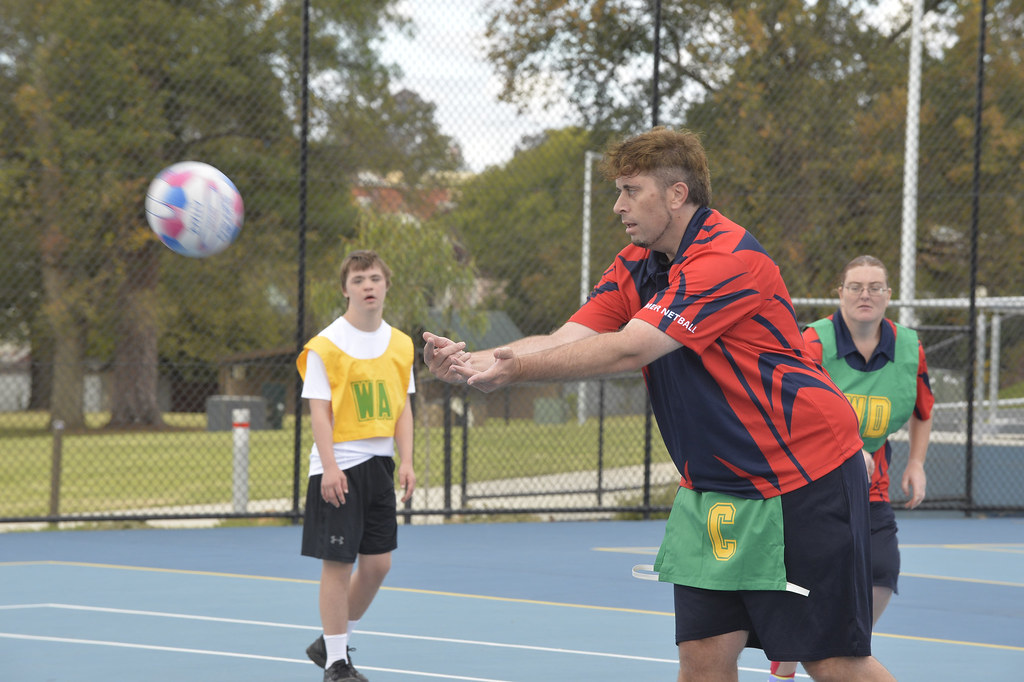
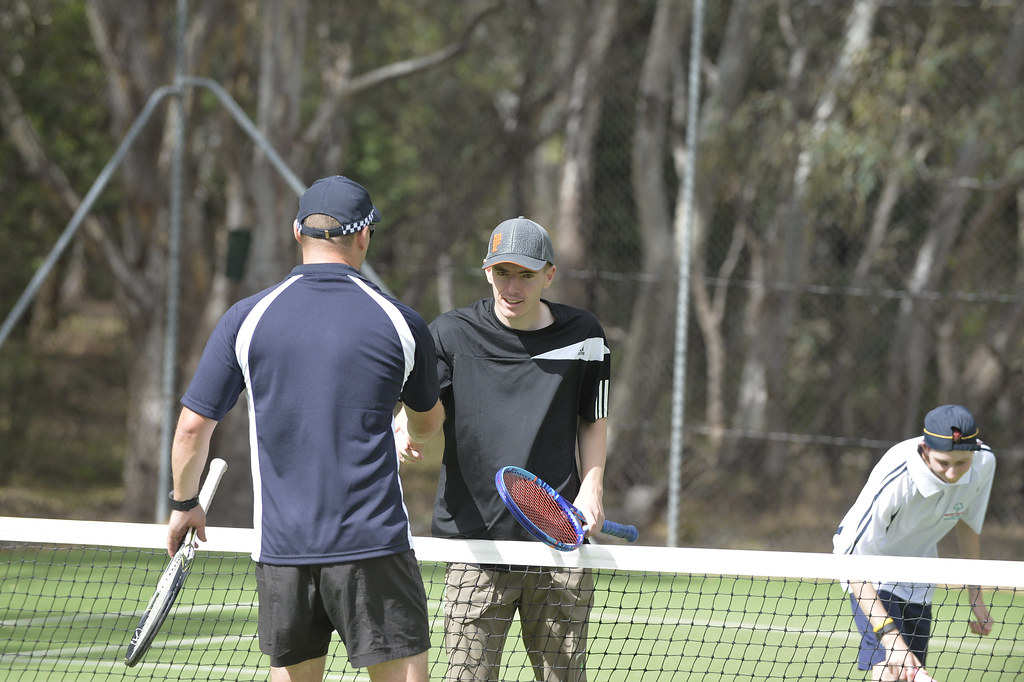
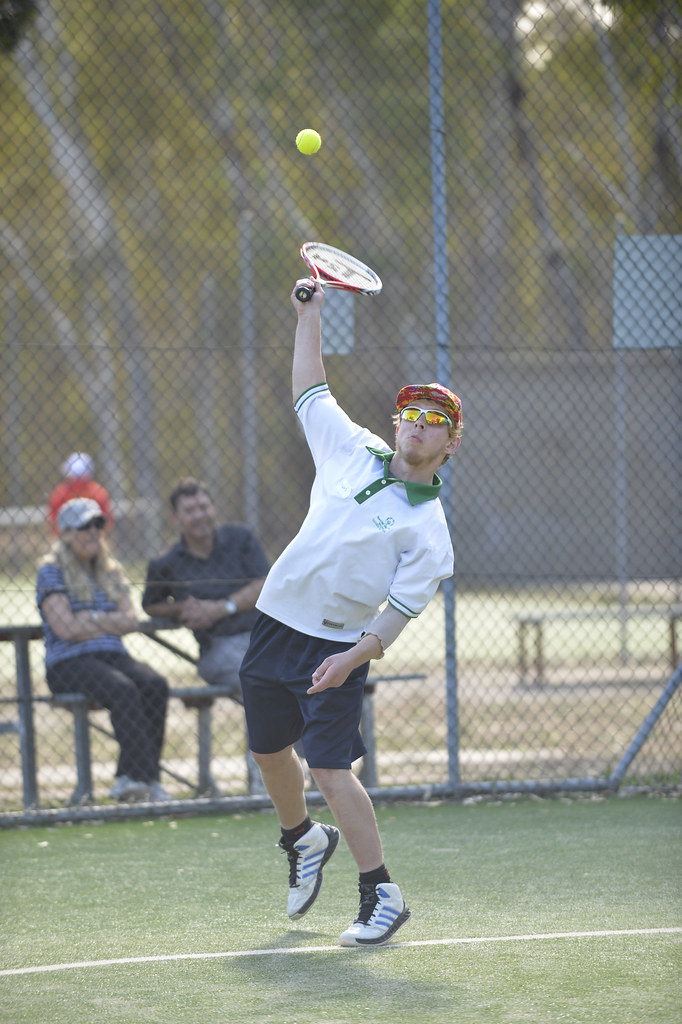
East Bendigo’s outdoor netball complex, with eight courts and a clubroom built in the early 2000s, has seen increased demand from junior and senior teams. Parking around the site on game days is a recurring concern raised by parents and officials, but no formal council report has yet addressed capacity upgrades. The Bendigo Croquet Club on Barnard Street and the Bendigo Lawn Tennis Association’s complexes provide further speciality surfaces, though both rely heavily on volunteer upkeep.
Where the gaps show
Kyneton, about 35 kilometres south, has upgraded its showgrounds pavilion this year, but Bendigo’s more suburban grounds-like those in Epsom, Maiden Gully and Strathfieldsaye-still operate with ageing amenities. The City of Greater Bendigo’s open space strategy, last updated in 2023, identifies a need for better disabled access and female-friendly change rooms across multiple reserves. No specific funding timeline has been announced for those upgrades, despite community petitions circulating since late last year.
The Bendigo Pioneers, the region’s TAC Cup under-18s side, use the QEO for home games but have flagged the lack of covered spectator seating for development league fixtures. On the cycling front, the Bendigo BMX Club’s track near the Bendigo racecourse has hosted state-level meets, but its start hill and corner berms are due for resurfacing-a project the club has been fundraising for since 2023.
What happens next is partly a question for the City of Greater Bendigo, which manages most public reserves, and partly for the state government’s regional sports fund, which opens its next round later this year. For now, clubs and councils are talking, and players keep lacing up. The facilities aren’t new, but they’re still the stage for nearly every game in town.
About this article●Beta
Published by The Daily Bendigo
Covering sport in Bendigo. This article was generated by AI, under human editorial accountability and risk-based review and our reasonable editorial care. Sensitive material is held for human review before publication. See our reasonable editorial care.
Beta: AI-assisted and human-overseen. Details may be imperfect, so please verify anything important.