Sport
Bendigo’s Weekend Fitness Trends Mirror Global Sporting Shifts
New participation data reveals how local engagement with recreational sport is tracking alongside the wider sporting calendar.
3 min read
Updated 10 h ago
Sport
New participation data reveals how local engagement with recreational sport is tracking alongside the wider sporting calendar.
3 min read
Updated 10 h ago
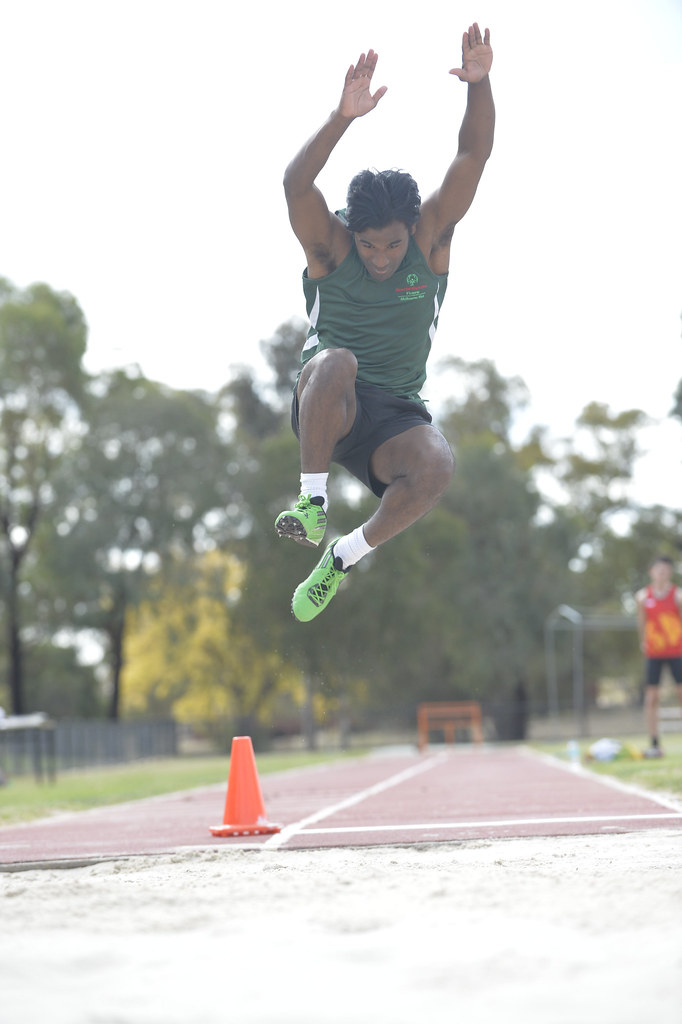
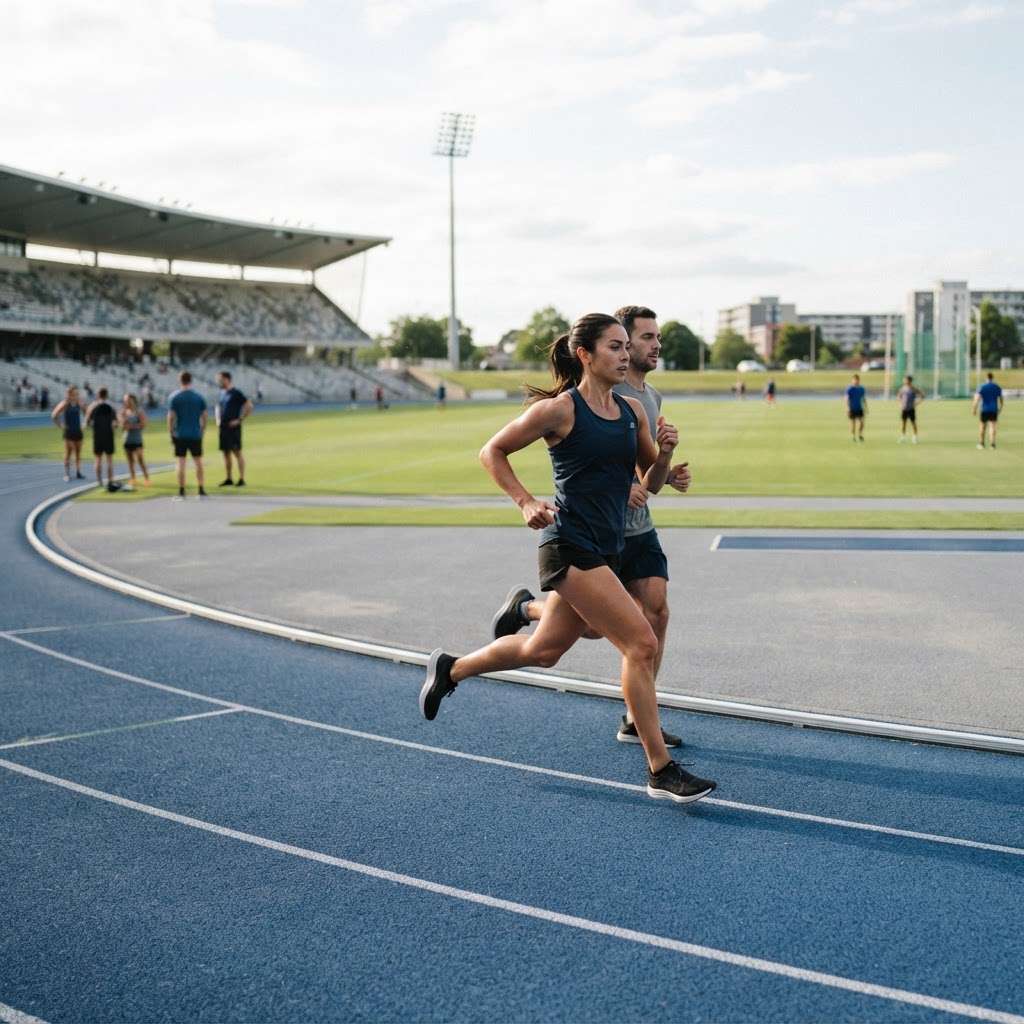
Bendigo’s weekend sports results show a shift in how residents engage with recreational fitness, reflecting a broader pattern where participation levels track closely with the rhythm of major televised global events. Data gathered from weekend matches across municipal venues indicates that community interest in structured sport remains high, though the intensity of participation fluctuates alongside the heavy media coverage of the ongoing FIFA World Cup and the lead-up to the MLB All-Star Game.
The relationship between professional global spectacles and local activity levels is becoming increasingly pronounced in regional hubs. Observations from weekend fixtures show that when high-profile matches air in primetime-such as the recent knockout stages in the North American tournament-there is a measurable dip in early morning registration numbers for community leagues. This trend mirrors concerns raised in professional circles, where strike action and contract disputes in high-level football leagues have highlighted the tension between elite professional commitments and the sustainability of community-level sports programs.
While elite players continue to compete on the world stage, the local landscape shows that Bendigo residents are balancing their own training schedules with a growing appetite for global sports consumption. The focus on high-performance infrastructure, such as the recent development of low-carbon industrial projects in other regions, underscores a transition toward more modern, sustainable facilities that are increasingly desired by local sporting clubs. These facilities play a key part in maintaining the fitness culture that defines our region's sporting identity.
Local participation data suggests that while residents are highly active, the format of their involvement is changing. There is a clear move toward flexible training regimes rather than traditional, season-long league commitments. This shift is consistent with broader debates in international sports management, where the focus has moved toward how professional organizations maintain their appeal to audiences who are increasingly distracted by the sheer volume of global athletic competition.
Looking ahead, the challenge for local clubs remains consistent with global trends: keeping engagement levels stable during periods of high-stakes international tournaments. Administrators and coaching staff will likely look to integrate more versatile, low-barrier programs to ensure that residents continue to prioritize physical activity even as the global sporting calendar reaches its mid-year peak. Clubs aiming to retain members through the remainder of the month are expected to emphasize flexible training windows and community-based events that fit around the demands of the current tournament schedule.
Sport
Sport

Sport
Sport
Sport
Sport
About this articleBeta
Published by The Daily Bendigo
Spread the word
Daily brief
Free, in your inbox before 7am. Weekdays.
The Daily Network — local news across Australia